

> At a Glance
> – Over 2 million Jeffrey Epstein files remain unreleased
> – 400 DOJ lawyers now handling victim-privacy redactions
> – Only 12,000 documents (125,000 pages) have been made public
> – Why it matters: Victims fear further privacy breaches as massive review ramps up
The Justice Department is scrambling to process a mountain of Jeffrey Epstein records while tightening privacy safeguards after victims flagged improper disclosures.
The Scale of What’s Left
Monday’s court filing reveals the staggering workload: more than 2 million files still await public release under the Epstein Files Transparency Act signed by President Trump. The 12,000 documents already published represent just a sliver of the total cache.
Attorney General Pam Bondi and Deputy AG Todd Blanche outlined the new review protocol in a filing before U.S. District Judge Paul Engelmayer. The plan comes after earlier releases inadvertently exposed victim-identifying details.
New Safeguards in Place
The DOJ is overhauling its redaction workflow:
- 400-plus attorneys will devote most of their day to the review
- 100 FBI specialists experienced with sensitive victim materials are assisting
- Additional electronic quality-control searches are being run
- A deduplication effort will standardize redaction levels across agencies
U.S. Attorney Jay Clayton wrote that the department has received dozens of victim queries since the law took effect and is now assigning lawyers to documents flagged for “sensitive victim-identifying information.”
Timeline & Context
Epstein, 66, died in a New York jail in August 2019 while facing federal sex-trafficking charges. The financier once socialized with Trump, who has denied any knowledge of Epstein’s crimes.
| Releases So Far | Pages | Documents |
|---|---|---|
| Tranche 1-3 | 125,000 | 12,000 |
| Still Pending | Tens of millions | 2M+ |
The DOJ aims to accelerate reviews “in the next few weeks,” but no firm release schedule was provided.
Key Takeaways
- Victim-privacy redactions are the top priority before any new release
- The FBI and DOJ are pooling hundreds of staff to meet the law’s demands
- Previous public releases contained tens of thousands of manual redactions, yet errors slipped through
- A standardized, department-wide redaction system is being implemented
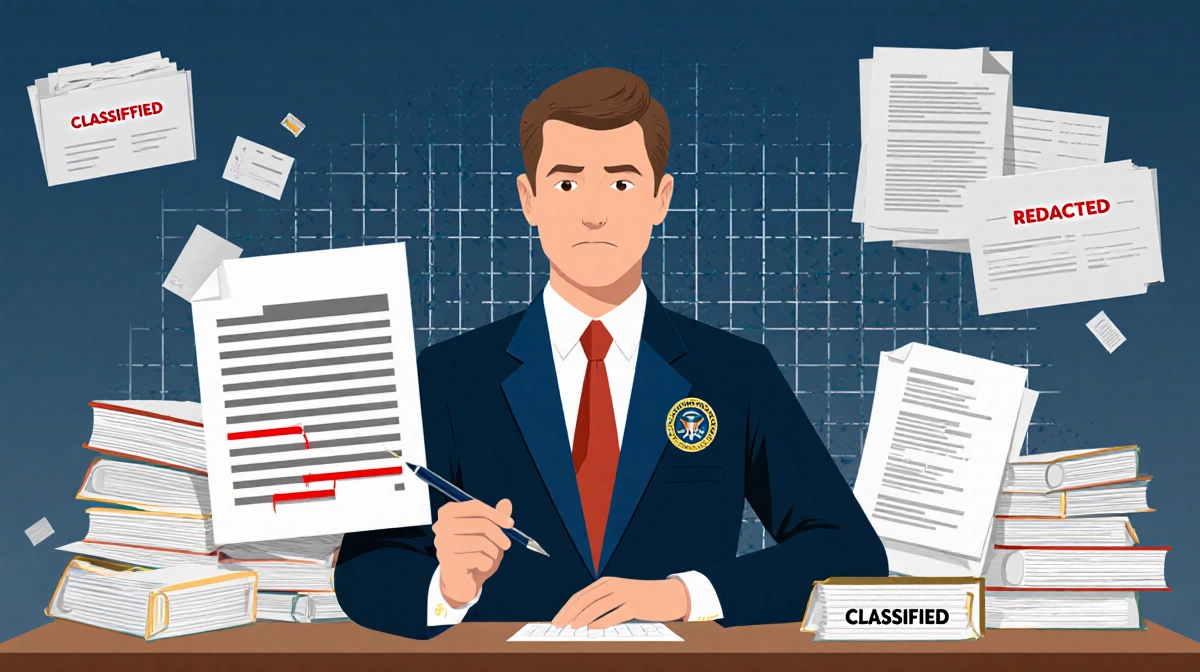
With millions of pages left to examine, the pace and accuracy of future disclosures remain uncertain.