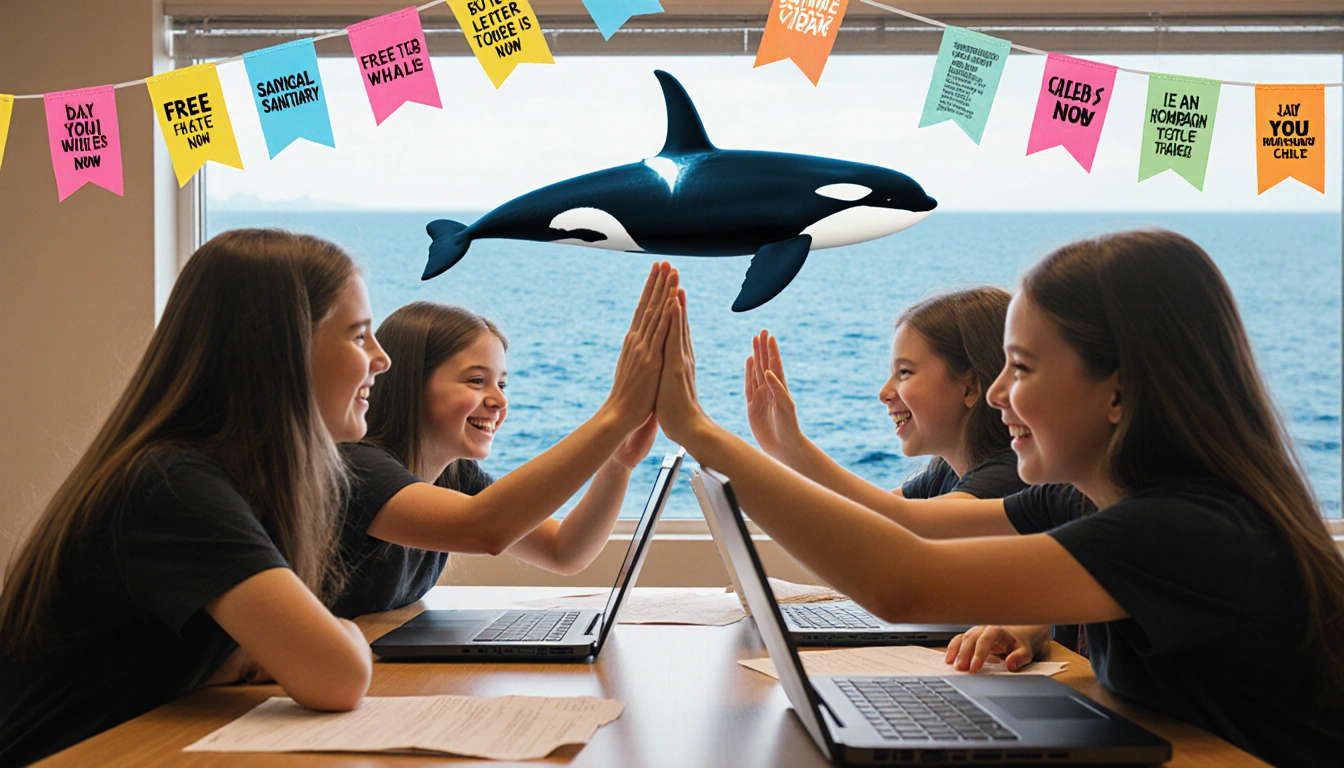

In a quiet classroom in Haslet, Texas, a group of 5th‑grade students at Carl E. Schluter Elementary discovered that their own words could influence the future of two captive orcas. The realization came as a surprise, yet it resonated deeply with the students, who had spent months researching the whales’ situation.
Learning Beyond the Classroom
Learning at Schluter Elementary is defined not only by test scores but by the belief that a child’s voice can reach beyond the classroom walls. Teacher Rachel Friend explains that she wants students to see how their passions translate into real‑world impact. “I just want them to know that they can follow their own passions and do something with their voices to make a difference in the world,” Friend said, underscoring the school’s commitment to civic engagement.
The Letter Campaign
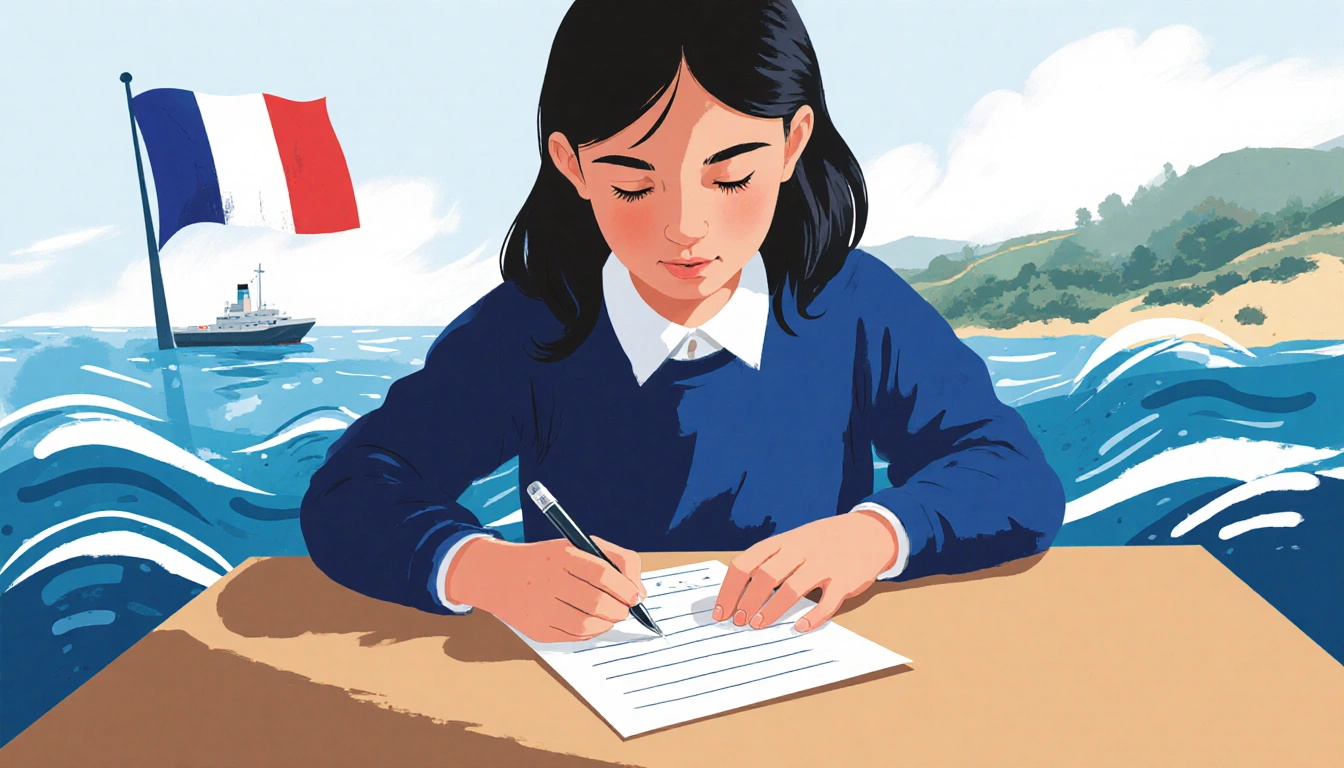
Last year, Friend guided her 4th‑grade class through an opinion‑writing project focused on the plight of two orca whales, Wikie and Keijo, housed in a French marine park. The students researched the whales’ conditions, drafted persuasive letters, and addressed them to a French minister in the government. The assignment was designed to teach research, empathy, and the power of written advocacy.
A Surprise Amplification
An unexpected turn came when a French government official discovered one of the students’ letters. She reposted it in a social media post, giving the young writers national visibility and amplifying their message to a broader audience.
A Historic Decision
Fast forward a year, and the same students, now in 5th grade, received news that the French government had agreed to relocate Wikie and Keijo to the Whale Sanctuary Project in Nova Scotia. The decision marks a significant step toward ensuring the whales’ long‑term well‑being and reflects the influence of the students’ advocacy.
Joyful Reactions
Student Kade Rubalcava recalled the moment when Ms. Friend shared the decision. “The moment Ms. Friend told us, like in here, just burst out with joy because (we) realized that we made a difference by writing those letters,” he said, his voice brightening with excitement. “No matter how small or how big you are, you can make a difference, and you can change the world in your own way.” The comment echoed the core lesson the teacher had been trying to instill— that individual voices, even from young students, can resonate far beyond the classroom.
Next Steps Toward Sanctuary
The school and community are now focused on the next phases of the project. Health checks for both whales must be completed, ensuring they are fit for the long journey, and the remaining funds needed to build the Whale Sanctuary Project must be raised. The community has organized several fundraising efforts, and volunteers are coordinating support. If all proceeds, the whales could be transported next summer, marking the culmination of the students’ campaign and the beginning of a new chapter for the whales.
Teacher’s Reflection
Friend reflected on the experience, noting the effort required and the importance of extending learning beyond the curriculum. “It takes a lot of extra work, but I just feel it’s so important to teach them beyond what we teach in the classroom,” she said. “Then when you actually see, even though it took a year, that it actually worked, that’s pretty rare.” She emphasized that witnessing a real change after a year of dedication is a powerful motivator for both teachers and students.
Students Feel the Impact
Charlotte Riney, another 5th grader, expressed the tangible impact she felt. “Like, it actually went somewhere. I actually, like, helped,” she said. “I changed the world, just one step at a time. It’s just amazing!” Her words capture the pride students feel when their actions translate into real change, reinforcing the idea that education is not only about knowledge but also about empowerment.
Community Resonance
The story resonates beyond the school, illustrating how youth activism can influence international policy and animal welfare. Local residents in North Texas celebrate the achievement, recognizing the students’ dedication and the school’s role in fostering civic responsibility. The whales’ upcoming relocation to Nova Scotia not only promises better conditions for Wikie and Keijo but also serves as a testament to the power of collective advocacy, inspiring other communities to pursue similar causes.
Ripple Effect
The ripple effect of this initiative reaches far beyond the immediate outcome for the whales. Parents, teachers, and community leaders are already discussing how similar projects can be integrated into curricula elsewhere, ensuring that future generations learn the value of civic engagement and environmental stewardship.
Key Takeaways
- Students’ letters helped secure a French government decision to relocate captive orcas.
- The Whale Sanctuary Project in Nova Scotia is the intended destination.
- Health checks and fundraising remain critical steps before the whales’ move next summer.
Closing
From a classroom assignment to a global conservation milestone, the journey of Carl E. Schluter Elementary’s 5th graders demonstrates that even young voices can shape the future of endangered species. Their success reminds us that education, when paired with empathy and action, can create lasting change.