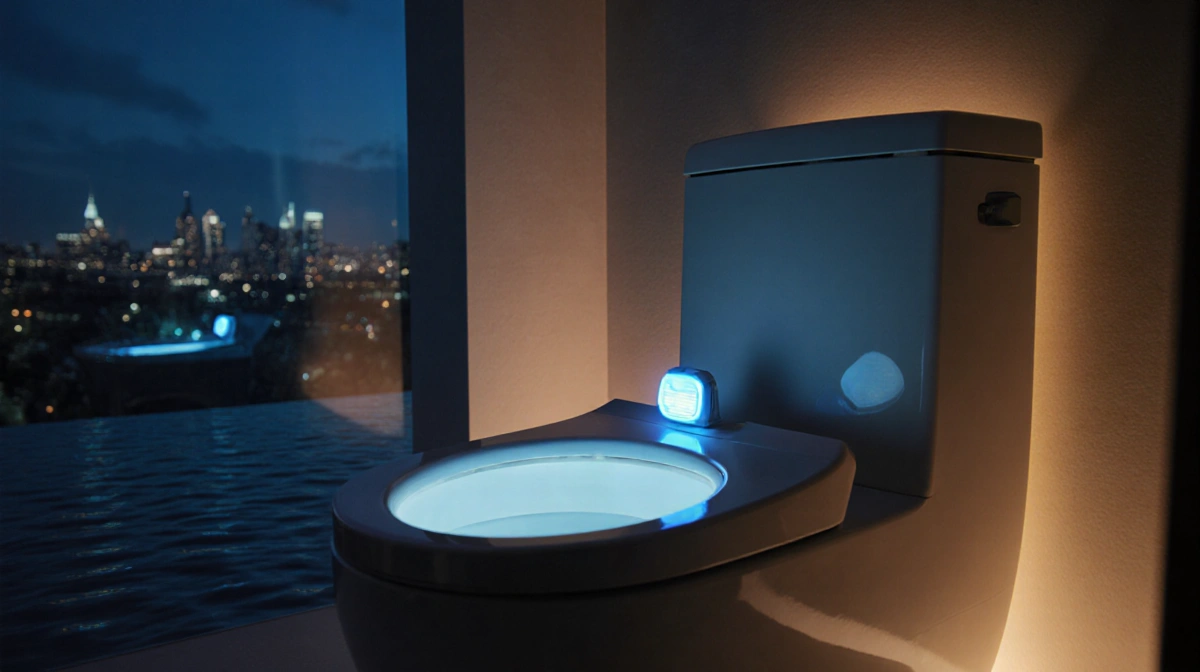

> At a Glance
> – Vivoo’s $99 clip-on toilet sensor analyzes urine for hydration in seconds
> – Uses optical sensors + Bluetooth app; rated for 1,000+ uses, no-touch design
> – Joins pricier rivals Withings U-Scan ($380) and Kohler’s privacy-breach camera
> – Why it matters: Affordable, at-home pee testing could help plug routine-care gaps without needles or wearables
The same morning ritual that tells your dog everything about the neighborhood can now tell you plenty about your own body. A new wave of smart-toilet add-ons turns ordinary urination into on-the-spot health data, and the latest entrant-Vivoo’s $99 sensor-promises hospital-grade insights for less than the cost of a fitness band.
How the Vivoo Sensor Works
Clip the palm-sized unit under the toilet rim, open the companion app, and answer nature’s call. Optical sensors measure specific gravity; onboard algorithms translate the reading into a simple hydration verdict beamed to your phone via Bluetooth. The casing is treated with antibacterial and antifungal nanotech, so you never have to touch the business end.
- Rated for 1,000+ uses on a single device
- Works in “nearly any toilet”, no special plumbing
- No cartridges-the whole unit rinses clean
Price vs. Privacy: The Competition
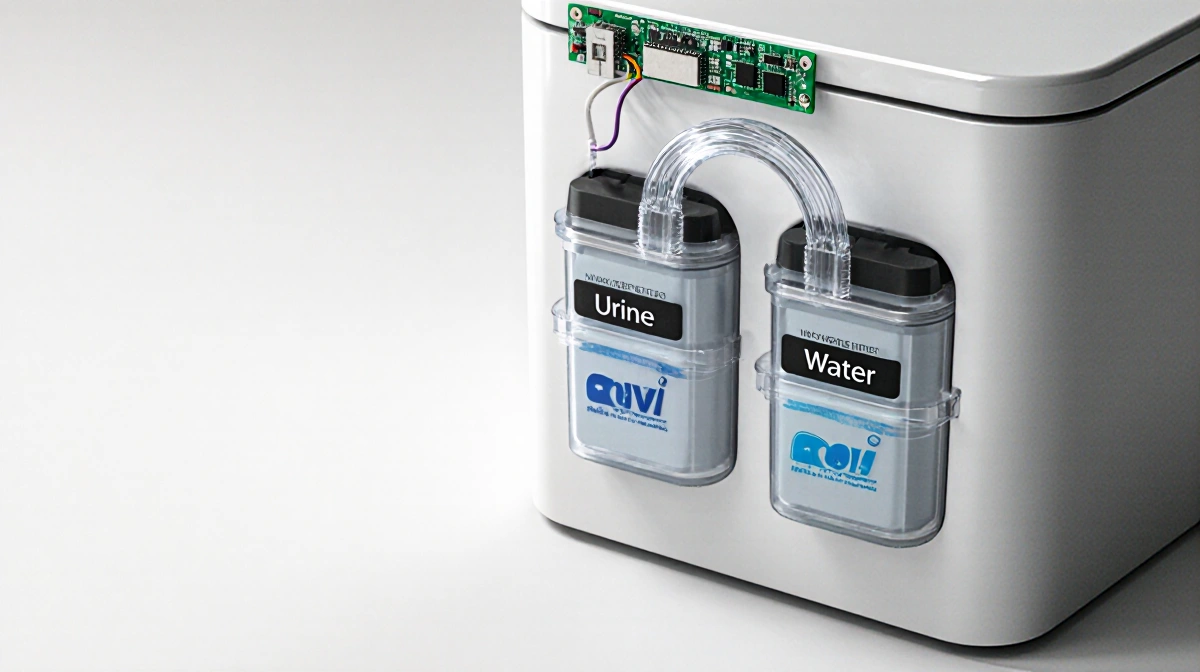
Earlier smart-toilet tech demanded deeper pockets or higher risk. Withings U-Scan offers two snap-in cartridges:
| Version | Tests For | Price | Maintenance |
|---|---|---|---|
| Nutrio | Ketones, pH, hydration | $380 | Swap monthly, gloves included |
| Calci | Calcium for kidney-stone risk | $380 | Same cartridge cadence |
The Kohler Dekoda went further, mounting an AI-driven camera inside the bowl to photograph waste and rate gut health-until users learned its promised end-to-end encryption wasn’t. The device, priced at $599, remains a cautionary tale.
Why Urine, Why Now
Standard checkups already rely on pee data, especially for pregnancy, diabetes risk, and kidney function. Home strips exist but lack digital coaching; wearables can’t measure hydration without skin contact. Vivoo co-founder Miray Tayfun argues that color alone is unreliable:
> “Urine color is a subjective visual cue that can vary significantly based on lighting conditions, diet, supplements, and environmental factors.”
Commercial urine tests, she adds, may “bridge gaps in our health-care system” the same way direct-access blood labs have started to do. Vivoo plans to expand the platform beyond hydration; the company already markets a budget pee-strip kit for other biomarkers.
Key Takeaways
- $99 Vivoo sensor is the cheapest, lowest-maintenance smart-toilet option yet
- Optical specific-gravity readout delivers instant hydration feedback via Bluetooth
- Competitors cost $380-$599, need cartridges, or raise privacy red flags
- No needles, no wearables, no clinic visit-just a toilet trip and your phone
For the otherwise healthy, daily pee tracking may be overkill. But if the choice is between sterilizing a toilet gadget and pricking skin for blood, most of us-and our dogs-already know which routine feels easier.