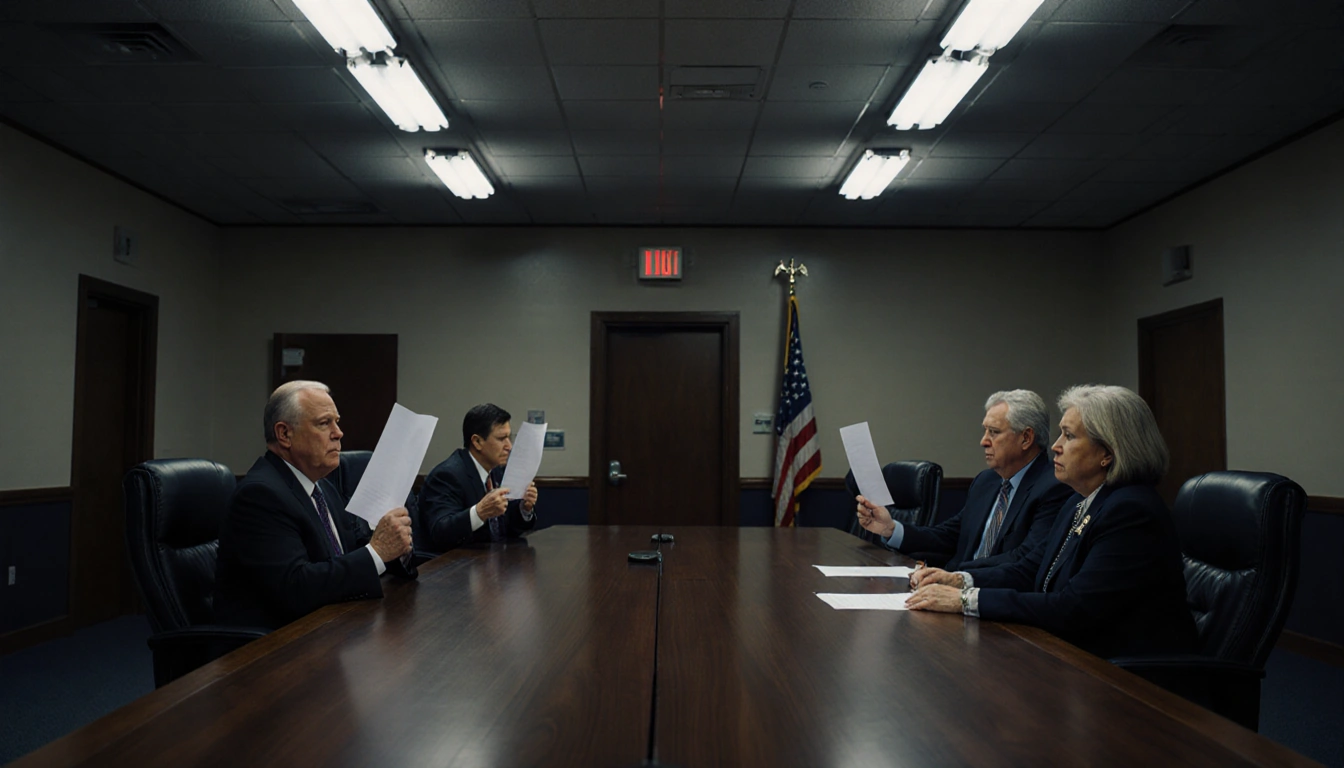
On a Wednesday night, the Grapevine‑Colleyville Independent School District board voted to close two elementary schools. The decision, recorded as 5-2, marked a significant shift in the district’s approach to managing a shrinking student population. The vote closed Bransford Elementary School in Colleyville and Dove Elementary School in Grapevine. The announcement sparked intense debate across the community.
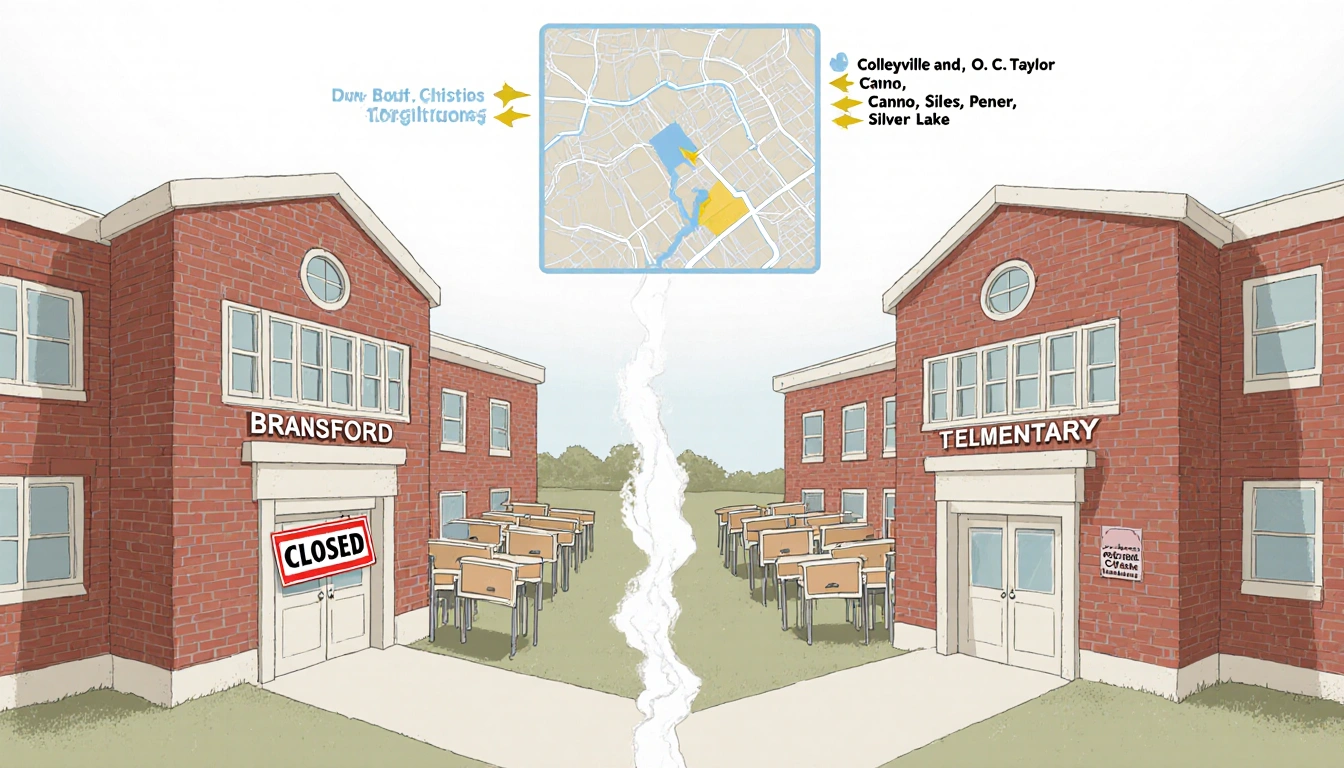
Bransford Elementary will merge with Colleyville Elementary and O.C. Taylor Elementary, while Dove Elementary will combine with Cannon Elementary and Silver Lake Elementary. The consolidation plan aims to streamline operations and reduce duplication of resources. The board emphasized that the move would create a more efficient use of facilities. The schools slated for closure are the district’s two lowest‑enrollment campuses.
According to the board, the closures would save GCISD $2.7 million. The savings would come from reduced operating costs and maintenance expenses. The district cited a budget shortfall as a key driver for the decision. The financial rationale was presented during the public meeting.
GCISD has experienced a sharp decline in student enrollment over the last few years. The decline reduces state funding, which is tied to enrollment numbers. A drop in the birth rate, rising housing costs, and neighborhood aging are partially to blame. The district’s enrollment data shows a trend of half‑empty elementary schools.
During the public comment period, a parent voiced strong opposition, stating, “The decision to close schools is not an education master plan. This is not the GCISD that I used to be proud of. This is not the GCISD that my husband and I moved here for. This is a sham.” The comment was recorded as part of the 75 people who signed up to speak. The parent highlighted concerns about the impact on fine arts integration. The parent also mentioned a medically fragile unit that would need relocation.
Board member Dianna Sager addressed the room before the vote, saying, “Since data shows that our enrollment is declining and it’s inefficient and irresponsible for us to continue to operate elementary schools that are half‑empty, it is our job as trustees to make fiscally responsible decisions for the community that we are reluctant to serve.” She added, “We are not turning our backs on any of our students or schools. We’re consolidating campuses so that we can build a stronger and more stable school system for everyone.” Sager emphasized the financial responsibility of trustees. Her statement was used to justify the closures.
During the meeting, board member A.J. Pontillo expressed a different perspective. He said, “We want to be focused on our students, on their education, on their growth. We don’t want to be focused on closing schools.” He continued, “There are a million other things that this community would love to be doing than to talk about closing schools. And this isn’t joyous for anybody up here.” Pontillo highlighted the emotional impact of the decision. He reiterated the district’s focus on student growth.
Parents argued against the data presented by the committee, claiming that the study did not fully represent enrollment trends. They voiced outrage that the closure of Bransford would affect fine arts integration and a medically fragile unit. Parents had spoken at several meetings since the announcement in September. The parents’ concerns centered on the loss of specialized programs.
Two board members, Dalia Begin and Matt Foust, voted against the closures. Begin said, “I do not fundamentally believe that we have exhausted all savings opportunities first.” She also stated, “I also feel like stakeholders were not engaged to the full extent that we could have had them included.” Foust expressed similar concerns about transparency. Both members highlighted the need for a more thorough exploration of alternatives.
The board’s decision followed a months‑long study by a committee that evaluated enrollment, building capacity, and attendance zones. The committee concluded that closing Bransford and Dove would save the district money and that the properties were suitable for residential development. The study also considered future growth projections. The board accepted the committee’s recommendation.
Last month, Superintendent Brad Schnautz announced his resignation to take a new education job in Fort Worth with Education Service Center Region 11. His departure was announced prior to the vote. The resignation added to the sense of instability in the district. Parents and teachers expressed concern about the leadership transition.
The mayor of Grapevine stepped in to offer assistance, announcing an effort to secure over $1 million in fundraising to prevent the schools from closing. The mayor’s proposal was presented during the public meeting. The mayor’s involvement highlighted the community’s willingness to intervene. The offer was seen as a potential alternative to the closures.
A group of parents organized their own fundraiser, claiming to have secured pledges totaling over $488,000. The fundraiser was launched in response to the proposed closures. The parents emphasized community engagement. The pledge amount was reported as part of the fundraising effort.
The board noted that the combined $1.7 million from the mayor and parents would not be sufficient to alter the decision. A parent, Eddie Middlebrook, said, “The board president, one of her final thoughts was the $1.7 million was soft money. And I take offense to that because that’s her community’s hard earned money that we are putting up to help save the school district.” Middlebrook expressed frustration with the board’s stance. The board maintained that the financial savings outweighed the raised funds.
Many parents expressed disappointment with both the closures and the process that led to the decision. They claimed the board lacked leadership for at least the last 11 months. Parents suggested that the board spent a lot of time gaslighting them. Some parents said they would consider electing new board members in the upcoming election. The sentiment was captured during the public comment period.
The community’s reaction included calls for greater transparency and stakeholder engagement. Parents and teachers urged the board to revisit the decision once a new superintendent is named. The board’s decision was seen as final for the immediate future. The debate highlighted the tension between fiscal responsibility and community values.
The closures will affect students who currently attend Bransford and Dove. They will be reassigned to the consolidated campuses. The district will need to adjust transportation routes accordingly. The impact on specialized programs remains a concern for parents.
Going forward, the district will implement the consolidation plan as approved by the board. The board will monitor enrollment trends to assess future needs. The district will also explore additional cost‑saving measures. The decision may influence future school district policies.
Despite the financial justification, the decision has left a lasting division within the community. The board’s actions have sparked ongoing discussions about the future of GCISD. Parents and teachers remain engaged in monitoring the district’s trajectory. The outcome of upcoming elections may shape the district’s leadership.
Key Takeaways
- GCISD voted to close Bransford and Dove Elementary schools, saving $2.7 million amid budget shortfall.
- The closures will consolidate Bransford with Colleyville and O.C. Taylor Elementary and Dove with Cannon and Silver Lake Elementary.
- Parents, teachers, and city leaders protested the decision, citing loss of programs and insufficient transparency.