
At a Glance
- The midair collision that killed 67 people on January 29, 2025 prompted a public hearing and a new safety review.
- The National Transportation Safety Board (NTSB) will recommend changes to prevent similar tragedies.
- Families of the victims demand clearer action and accountability from Congress, the Army, and the federal government.
The public hearing that opened Tuesday aimed to clarify the factors that led to the deadliest U.S. plane crash since 2001, in which an American Airlines jet and an Army Black Hawk helicopter collided over the Potomac River.
Why the Hearing Matters
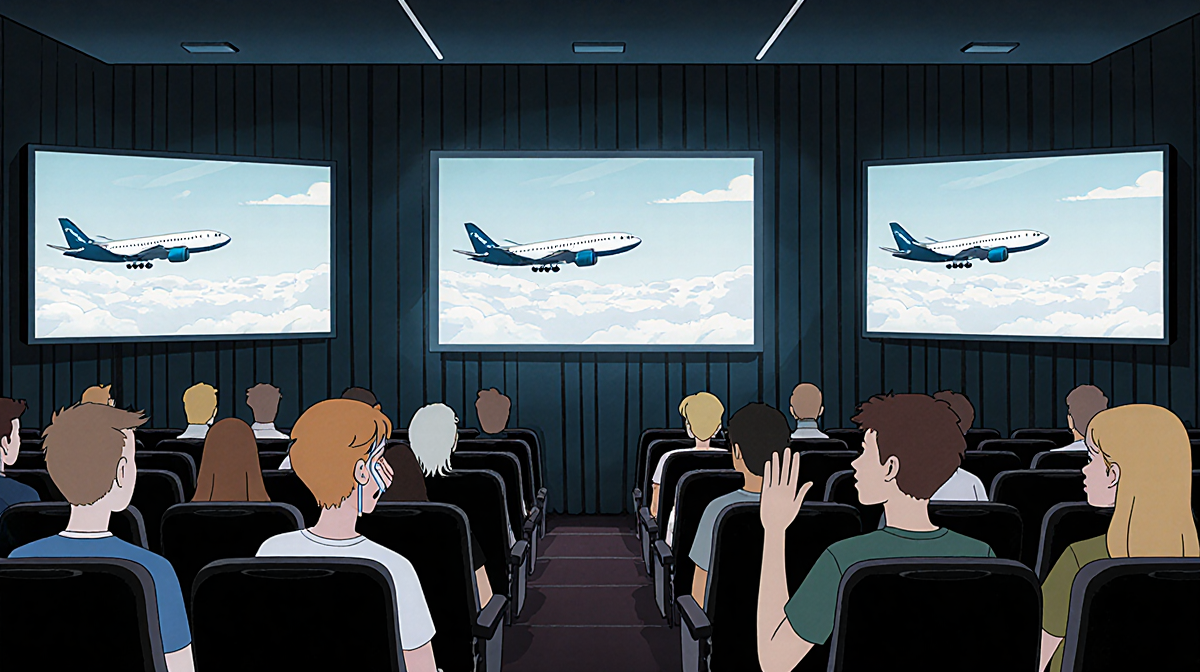
The event drew a crowd that filled only about 40% of the auditorium in its first hour. Attendees watched an animation of the flights, and a small group was escorted out as two people cried.
“I hope that we see a clear path through the recommendations they offer to ensure that this never happens again,” said Rachel Feres, who lost her cousin Peter Livingston and his wife and two young daughters. “That nobody else has to wake up to hear that an entire branch of their family tree is gone, or their wife is gone or the child is gone. That’s what I hope coming out of this. I hope we have clarity and urgency.”
The hearing follows the NTSB’s investigation, which identified several key factors: a poorly designed helicopter route past Ronald Reagan National Airport; the Black Hawk flying 78 feet (23.7 meters) higher than it should have; warnings from the FAA that were ignored; and the Army’s decision to disable a system that could have broadcast the helicopter’s location.
Factors Behind the Crash
- Route design: The helicopter’s path intersected the jet’s flight corridor near the capital.
- Altitude discrepancy: The Black Hawk was 78 feet above the prescribed altitude.
- Ignored warnings: The FAA had issued multiple alerts in the years leading up to the accident.
- System shutdown: The Army turned off a key broadcast system that could have made the helicopter’s position clearer.
These systemic issues, according to NTSB board member Todd Inman, were not the fault of a single individual.
> “There is no singular person to blame for this. These were systemic issues across multiple organizations,” Inman said.
Immediate Aftermath and Reforms
Shortly after the crash, the Federal Aviation Administration (FAA) made changes to separate helicopter and airplane airspace around the nation’s capital. Last week, those changes were made permanent. The NTSB will recommend additional actions, and families hope these lead to meaningful change.
The tragedy also highlighted the broader context of aviation safety. NTSB statistics show that the total number of crashes last year was the lowest since the COVID-19 pandemic, with 1,405 nationwide incidents.
Memorial and Community Impact
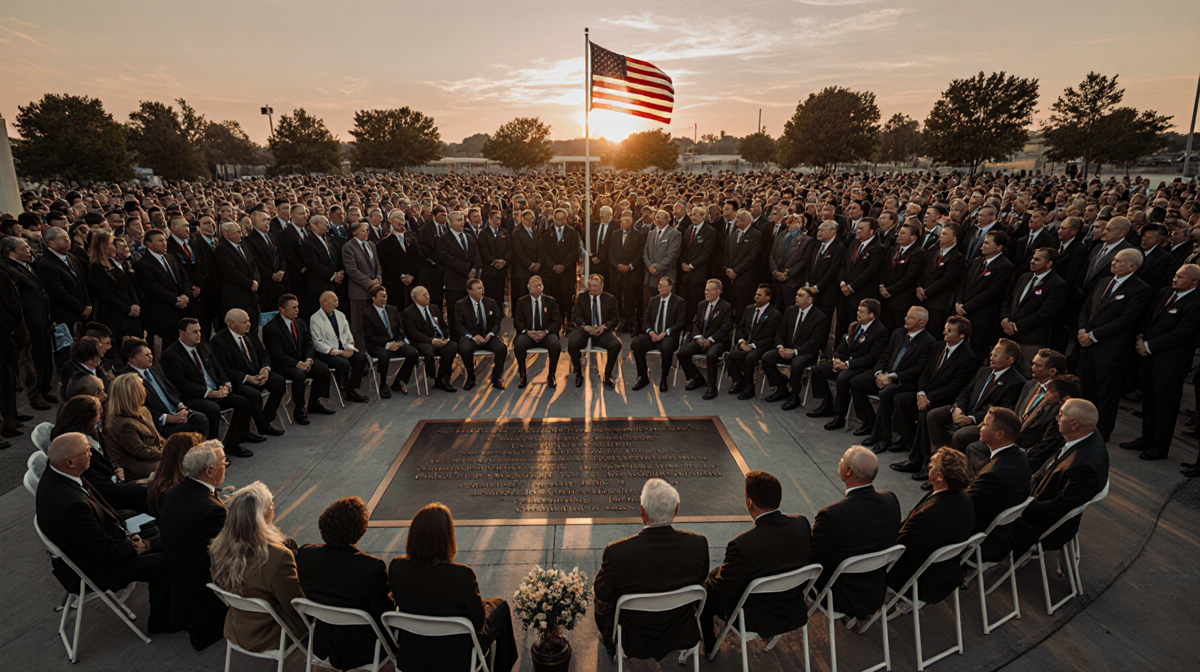
A private memorial service was held at Reagan National Airport on Sunday for the families of the victims. Among the 28 figure skaters who died were young Alydia and Everly Livingston, who had been in Wichita for a national skating competition and development camp.
The community’s grief is palpable, and families are determined to keep pressure on officials. “Whether that happens depends on how Congress, the Army, and President Donald Trump’s administration respond after the hearing,” said a spokesperson for the families.
Looking Forward
The NTSB’s recommendations will be a crucial step in preventing future collisions. However, the effectiveness of those recommendations hinges on legislative and executive action. Families and the public are watching closely.
| Item | Detail |
|---|---|
| Date of collision | January 29, 2025 |
| Fatalities | 67 people |
| FAA changes | Permanent separation of helicopter and airplane airspace around the capital |
| NTSB recommendation | Additional safety measures (details pending) |
The hearing and the forthcoming NTSB report underscore the importance of systemic oversight and clear communication between aviation authorities and the military.
Key Takeaways
- The midair collision revealed multiple systemic failures across the FAA and the Army.
- The FAA’s permanent airspace separation is a significant step, but further measures are needed.
- Families demand accountability and swift implementation of NTSB recommendations.
- The aviation community must learn from this tragedy to avoid future losses.