
At a Glance
- Shoveling snow can raise heart effort to the level of a strenuous workout.
- Three Pennsylvania residents died from snow-removal work on Sunday.
- Cold weather tightens blood vessels, increasing blood pressure and heart risk.
- Why it matters: Even healthy people can suffer heart attacks while clearing sidewalks.
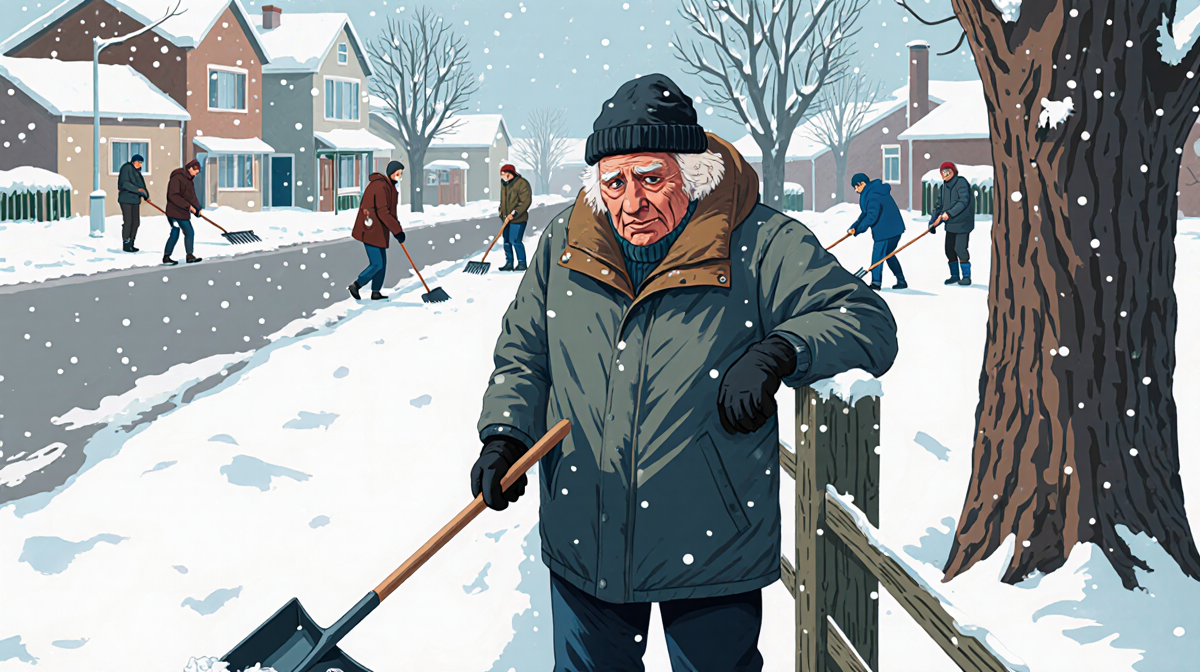
Shoveling snow is a physically demanding task that can push the heart harder than many people realize. Recent deaths in Pennsylvania and medical research highlight the serious risk that heavy snow removal poses to cardiovascular health.
Recent Deaths Highlight Risk
Pennsylvania health officials announced three snow-removal related deaths on Sunday. All victims were between the ages of 60 and 84. The Lehigh County coroner’s office urged residents to take breaks and avoid over-exertion during cleanup.
How Shoveling Affects the Heart
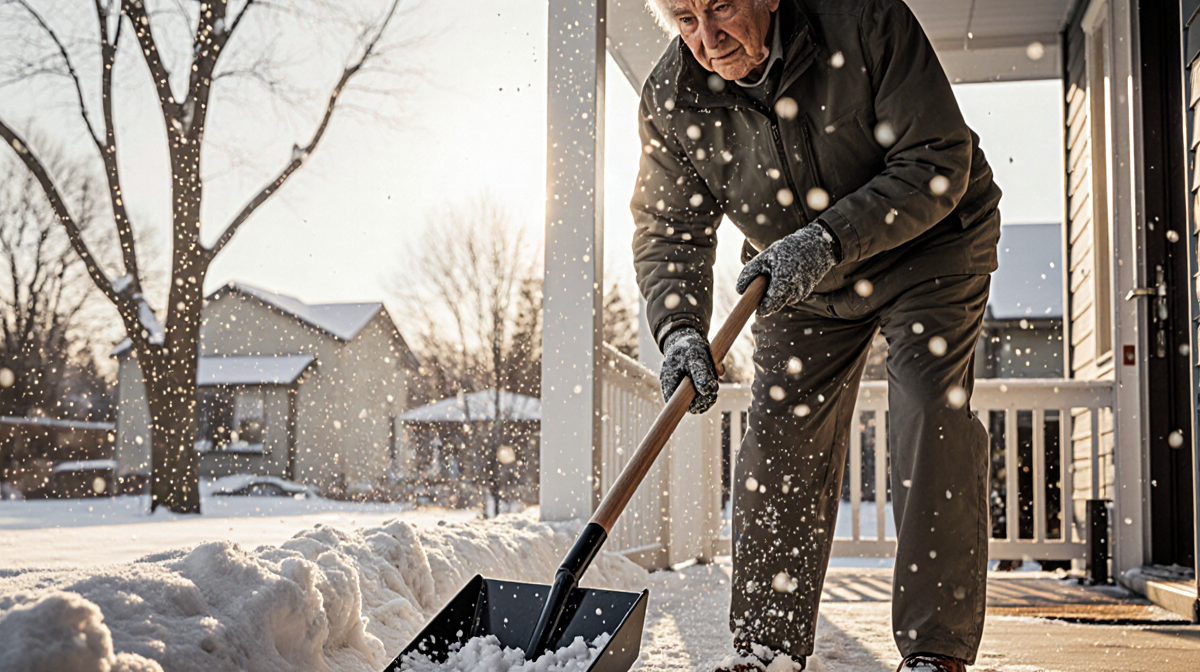
A cardiologist told News4 that the strain put on the heart by shoveling heavy snow and ice can’t even be matched by a stress test. The activity requires repeated, forceful lifting and throwing, which increases cardiac output dramatically. Cold temperatures cause blood vessels-including those feeding the heart-to constrict, raising blood pressure. The combination of high heart rate and elevated blood pressure raises the risk of a heart attack, stroke, or cardiac arrest, according to the American Heart Association.
Who Is Most at Risk
The heart association warns that people with known heart disease, previous heart attacks, older adults, and those with high blood pressure or cholesterol are especially vulnerable. Even individuals who consider themselves healthy can be at risk if they are generally sedentary and suddenly engage in heavy exertion in cold weather.
Practical Tips to Stay Safe
- Go slow: Take frequent short breaks to keep heart rate from spiking.
- Push, don’t lift: Shovel snow in a pushing motion rather than lifting and throwing.
- Learn warning signs: Know the symptoms of a heart attack and call 911 if they appear.
- Dress appropriately: Wear layers, gloves, and a hat to reduce heat loss.
- Stay hydrated: Dehydration can worsen cardiovascular strain.
Stretching Before You Start
Thousands of Americans injure themselves while shoveling snow every year, with muscle and ligament injuries being the most common. Performing simple stretches can reduce the risk of injury. Below are four stretches recommended by the American Heart Association:
| Stretch | How to Do It |
|---|---|
| Upper back stretch | Reach both arms overhead and lean to the left, then to the right. |
| Chest opener | Clasp hands behind your back and lift arms slightly. |
| Hamstring stretch | Sit on the ground, extend one leg, and reach toward your toes. |
| Calf stretch | Stand on a step, lower heels, and hold for 30 seconds. |
Recognizing Warning Signs
Some heart attacks start abruptly with intense pain, while others begin slowly with mild discomfort. The American Heart Association lists the following symptoms:
- Chest discomfort: Pressure, squeezing, or fullness in the center of the chest lasting more than a few minutes.
- Upper body discomfort: Pain or discomfort in the arms, back, neck, jaw, or stomach.
- Shortness of breath: With or without chest pain.
- Other signs: Cold sweat, unusual fatigue, nausea, lightheadedness, palpitations, or irregular heart rhythms.
If any of these signs appear, stop shoveling immediately and call 911.
Key Takeaways
- Shoveling snow can push the heart to a level comparable to a hard workout.
- Cold weather further stresses the cardiovascular system.
- Older adults and those with heart risk factors should exercise extreme caution.
- Simple changes-pushing instead of lifting, taking breaks, and staying warm-can reduce risk.
- Recognizing early warning signs and acting quickly can save lives.