


At a Glance
- Meta’s Instagram, ByteDance’s TikTok and Google’s YouTube are on trial over child-addiction claims.
- Jury selection starts this week and could last several days.
- The lawsuit centers on a 19-year-old plaintiff named “KGM.”
- If successful, the case could challenge Section 230 and First Amendment protections.
The trial could reshape how social-media platforms design features for young users and influence future litigation.
—
Introduction
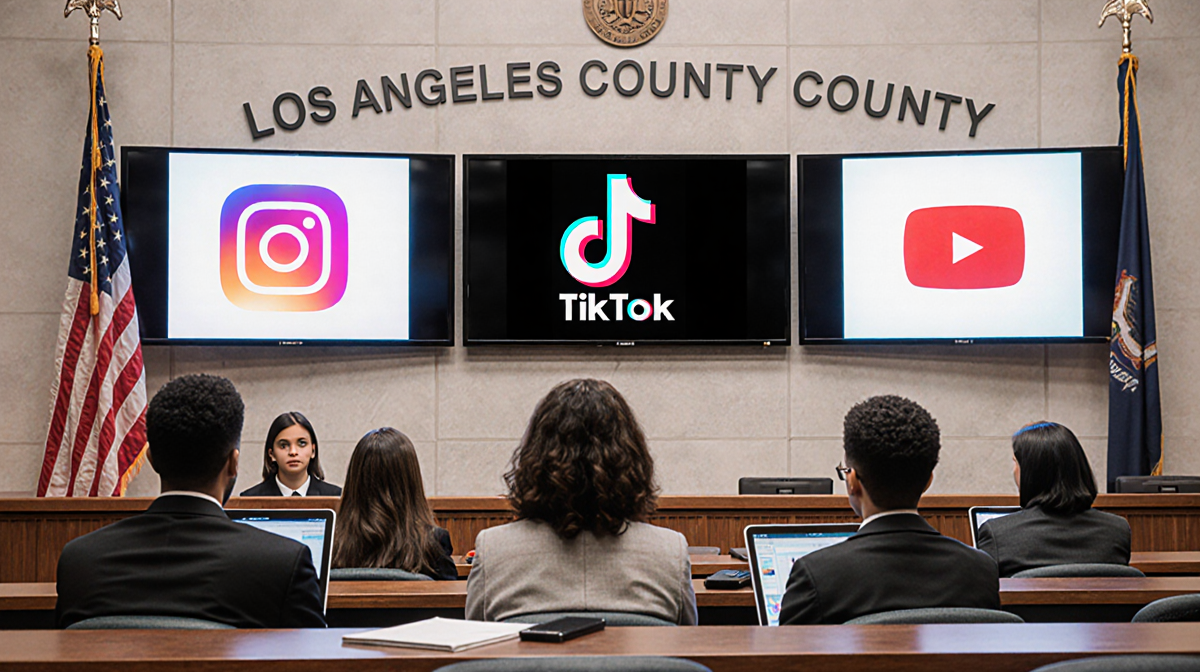
A landmark lawsuit in Los Angeles County pits three of the world’s largest social-media companies-Meta’s Instagram, ByteDance’s TikTok and Google’s YouTube-against a claim that their platforms deliberately addict and harm children. Jury selection begins this week, and the case is expected to last six to eight weeks.
Trial Overview
The Los Angeles County Superior Court is holding the first jury trial for the defendants. The selection process will question 75 potential jurors each day through at least Thursday, a schedule that mirrors other high-profile civil trials. A fourth named defendant, Snap Inc., settled the case last week for an undisclosed sum, leaving the three remaining companies to defend against the allegations.
The lawsuit designates a 19-year-old plaintiff, identified only by the initials “KGM,” as a bellwether case. Two other plaintiffs have also been chosen for the trial. According to Clay Calvert, a nonresident senior fellow of technology policy studies at the American Enterprise Institute, bellwether trials are “essentially test cases” that allow both sides to gauge the strength of their arguments and potential damages.
Key Claims
The plaintiffs argue that early-age use of the platforms led to addiction, exacerbated depression, and increased suicidal thoughts. Central to the case is the claim that the companies’ design choices were intentionally engineered to maximize youth engagement and advertising revenue. The lawsuit cites behavioral and neurobiological techniques borrowed from slot machines and the cigarette industry, alleging that these features create a “self-destructive feedback loop.”
If the court finds the claims, it could sidestep the companies’ Section 230 shield and First Amendment protections that normally shield platforms from liability for user-generated content. The lawsuit also draws parallels to the 1998 Big Tobacco settlement, suggesting that the companies could face significant financial penalties and regulatory restrictions.
Company Responses
Meta, YouTube, and TikTok have denied that their products deliberately harm children. Meta cited a range of safeguards added over the years, including the introduction of teen accounts for users under 16. In a recent blog post, Meta stated:
> “Recently, a number of lawsuits have attempted to place the blame for teen mental health struggles squarely on social media companies… Narrowing the challenges faced by teens to a single factor ignores the scientific research and the many stressors impacting young people today.”
The companies have not yet responded to comment requests. Meta’s statement emphasizes that mental health is multifaceted and that other stressors-such as academic pressure, school safety, socioeconomic challenges, and substance abuse-also play significant roles.
Legal Context
The case is the first of a series of lawsuits filed this year that seek to hold social-media platforms responsible for harming children’s mental well-being. A federal bellwether trial set to begin in June in Oakland, California, will represent school districts suing platforms over similar harms. The trial in Los Angeles follows a broader trend of litigation aimed at holding tech companies accountable for content and design that may negatively affect youth.
Current Litigation Landscape
More than 40 state attorneys general have filed lawsuits against Meta, alleging that the company’s design of Instagram and Facebook is deliberately addicting to children. While most cases are filed in federal court, some have been brought in state courts. TikTok faces comparable lawsuits in more than a dozen states.
Key Takeaways
- The Los Angeles trial will be a decisive moment for the social-media industry, potentially redefining liability for platform design.
- The plaintiffs’ use of a bellwether strategy could set precedent for future cases involving child-addiction claims.
- The outcome may influence how platforms implement safeguards and how they are regulated by lawmakers and courts.
—