At a Glance
- Former Uvalde ISD police officer Adrian Gonzales is on trial for failing to stop a gunman during the 2022 school attack.
- Closing arguments are scheduled for Wednesday after the defense rested on Tuesday.
- Gonzales pleaded not guilty to 29 counts and faces up to two years in prison if convicted.
Why it matters: The case tests how police respond to active shooter situations and holds officers accountable for their actions.
The trial of former Uvalde ISD police officer Adrian Gonzales continues in Corpus Christi, Texas, as the jury prepares to hear closing arguments on Wednesday. Prosecutors argue that Gonzales, a 52-year-old veteran, failed to stop the gunman in the early minutes of the May 24, 2022, attack on Robb Elementary School. The defense rests after calling two witnesses, and the case centers on whether the officer’s actions were reasonable under chaotic circumstances.
Trial Overview
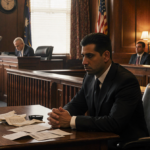
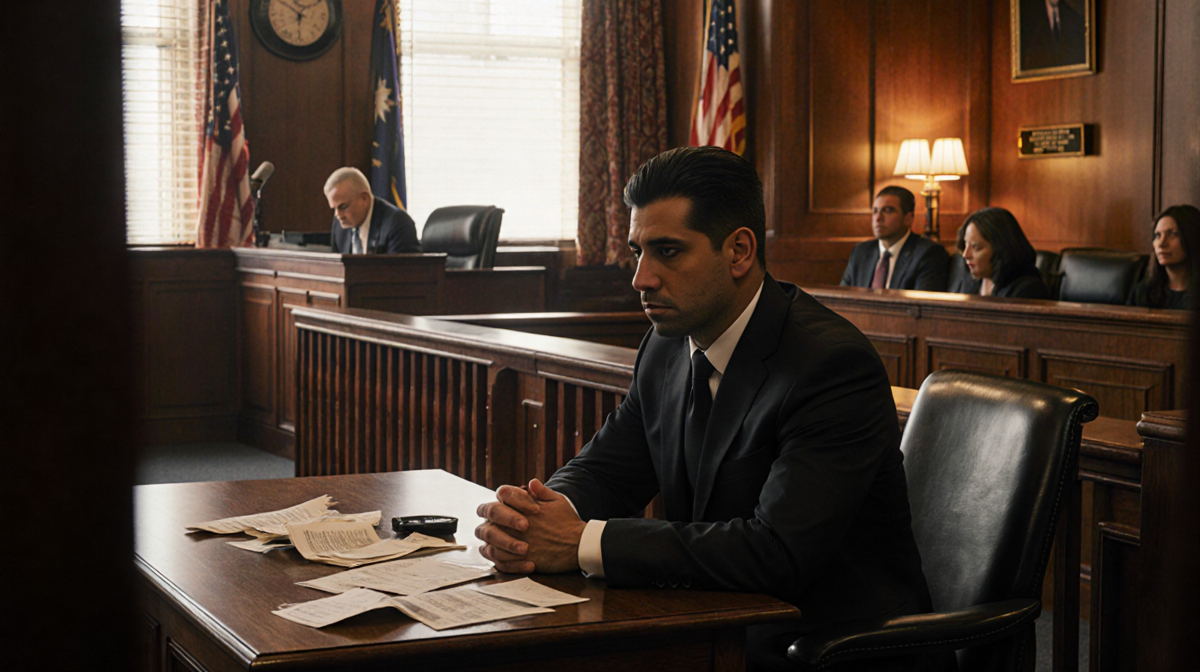
The courtroom in Corpus Christi is the setting for a rare case in which a police officer is charged with failing to prevent a mass shooting. Gonzales, who had led an active-shooter response training course two months before the shooting, is accused of abandoning his training and not attempting to stop gunman Salvador Ramos. The jury will hear testimony that has been described as gripping and emotional, with teachers recounting the terrifying moments when the 18-year-old entered the school.
Defense Strategy
Defense lawyers for Gonzales rested their case after calling just two witnesses. One was a woman who worked across the street from the school and claimed to have seen the shooter ducking between cars. The other was a police tactics expert who bolstered the argument that Gonzales did the best he could after driving onto campus amid a chaotic scene. Gonzales did not take the stand in his own defense, and closing arguments are scheduled on Wednesday.
Prosecution Case
The prosecution’s final witness was a state investigator, and special prosecutor Bill Turner emphasized that every second counts in an active shooter situation. Turner highlighted the three minutes between Gonzales’ arrival and his entry into the building, arguing that more victims could have died if the officer had acted sooner. Prosecutors also presented graphic photos from inside the classrooms and brought officers to the stand to describe the chaos of the response.
Witnesses and Evidence
During nine days of testimony, jurors heard:
- A woman across the street who said she saw the shooter ducking between cars, possibly reinforcing Gonzales’ claim he never saw the gunman.
- Teacher Arnulfo Reyes, who described seeing a “black shadow with a gun” enter the room before he was shot and all 11 of his students were killed.
- Other teachers who recalled students grabbing safety scissors to attack the gunman if he entered their room.
- Parents who delivered anguished testimony about their children’s deaths or injuries.
- Body-camera footage showing Gonzales among the first officers to enter a shadowy hallway, trying to reach the killer.
The prosecution’s case has tugged at the raw emotion of the carnage, attempting to show what could have been avoided had Gonzales intercepted the gunman in the early seconds. Prosecutors stumbled at times while presenting their case, including inconsistent testimony from witnesses and mistakenly showing a photo from inside the classroom that showed “LOL” written in blood.
Courtroom Dynamics
The courtroom has been a scene of intense emotion. At one point, the sister of one of the teachers killed that day was removed from the courtroom after an angry outburst following one of the officers’ testimony. A teacher who was an early witness was dismissed because prosecutors had not disclosed that she recalled seeing the gunman dressed in black approaching the school. Defense lawyers asked for a mistrial on the second day, but the request was denied.
Legal Context and Implications
Only Gonzales and former Uvalde schools police chief Pete Arredondo have been criminally charged for the delayed response. Gonzales is one of 376 federal, state, and local officers who swarmed the school as the attack unfolded. It would take more than an hour for a tactical team to breach a classroom and kill the gunman. The trial underscores the legal responsibility of officers to act decisively during an active shooter event.
Key Takeaways
- The trial centers on whether Gonzales’ actions were reasonable under the circumstances.
- The prosecution argues that a delay of three minutes could have saved lives.
- The defense rests after calling only two witnesses, with Gonzales not testifying.
- The case is a rare example of an officer being charged for failing to prevent a mass shooting.
The jury will deliberate after the closing arguments on Wednesday, deciding whether the former Uvalde officer faced criminal liability for his conduct during one of the nation’s most devastating school shootings.