
At a Glance
- Many Olympic venues remain unused long after the Games.
- Athens’ 2004 venues cost 8.5 billion euros ($9.1 billion) but are largely abandoned.
- Sarajevo’s 1984 bobsleigh and ski-jump sites have never hosted a competition again.
Why it matters: The legacy of Olympic construction can become a financial burden when venues are not repurposed.
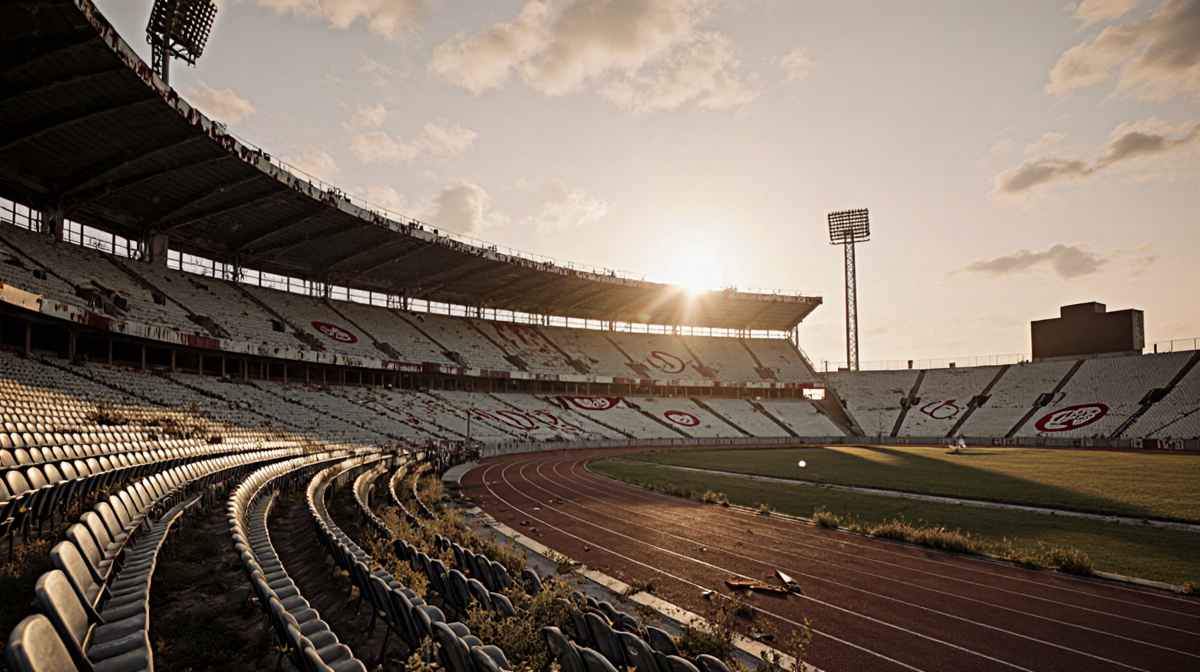
The Olympic Games are a showcase of athletic excellence and national pride, yet the infrastructure they create often falls into disuse. From the sprawling stadiums to the compact athletes’ villages, the cost of hosting is immense, and the benefits can be fleeting. This article explores the abandoned venues that dot former host cities and the economic implications of their neglect.
The Legacy of Olympic Investment
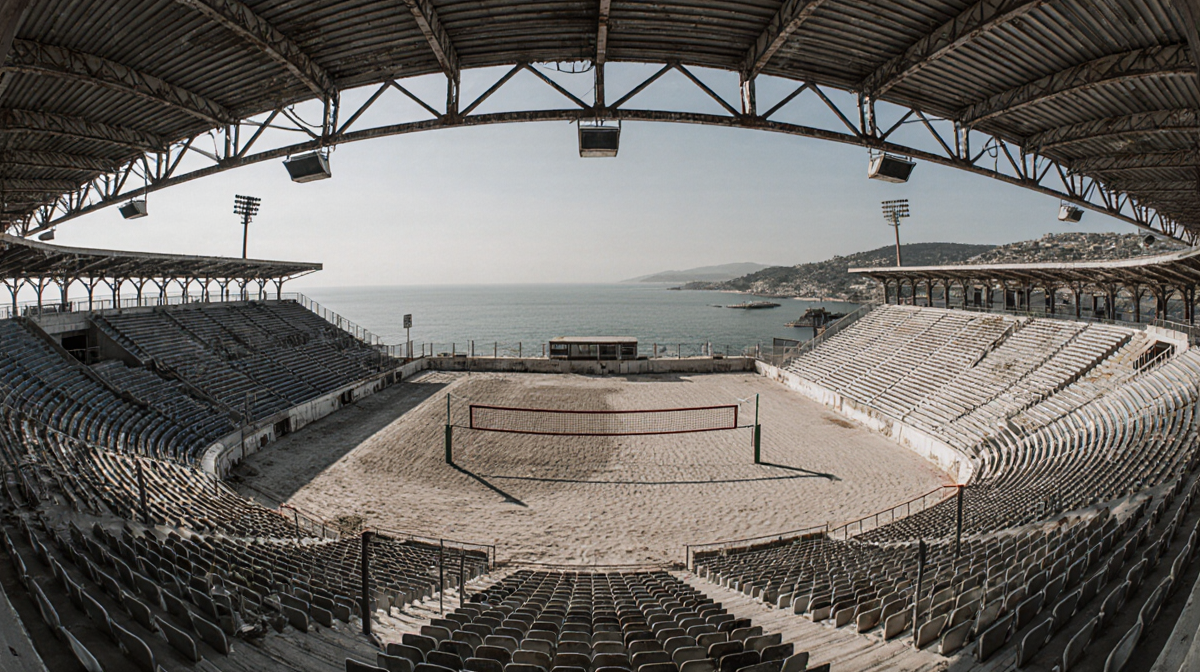
The 2004 Athens Games, for example, were financed at a staggering 8.5 billion euros ($9.1 billion), according to the Greek finance ministry. Despite this investment, the beach volleyball stadium at the Faliro Olympic coastal zone is largely empty, with the venue used sparingly over the past two decades.
In Sarajevo, the bobsleigh track on Mount Trevevic was built for the 1984 Winter Olympics and has never hosted official competition since. A ski-jumping complex on Mount Igman, featuring 80-meter and 120-meter ramps, shares the same fate.
These examples illustrate a pattern: venues are constructed for a brief period of intense use, then abandoned.
Abandoned Venues Around the World
Athens, Greece
- Faliro Beach Volleyball Stadium: Built for 2004 Olympics, now abandoned.
- Olympic Aquatics Stadium: Similar status.
- Canoe/Kayak Slalom Center: Also largely unused.
Sarajevo, Bosnia and Herzegovina
| Venue | Built | Used | Current Status |
|---|---|---|---|
| Bobsleigh Track, Mount Trevevic | 1984 | 1984 | Never used again |
| Ski-Jumping Ramps, Mount Igman | 1984 | 1984 | Never used again |
Garmisch-Partenkirchen, Germany
- The historic bobsleigh track was constructed in 1910, renovated in 1933, and used for the 1936 Winter Olympics. It was demolished in 1966, yet remnants can still be seen on sleigh rides.
Berlin, Germany
- The 1936 Olympic Village site in Elstal now houses abandoned facilities, including a swim hall, gymnasium, and theatre. The site once served various military purposes before becoming a training base for Soviet athletes.
Tokyo, Japan
- The 2020 Fan Park was intended as a public entertainment space but was closed due to the COVID-19 state of emergency.
Beijing, China
- An unfinished mall behind which the 2008 Olympic mascots now lie reflects the incomplete legacy of the Games.
Economic Impact and Missed Opportunities
The cost of building and maintaining these venues is substantial. When a stadium is empty, the city loses potential revenue from events, tourism, and community use. Moreover, the upkeep of abandoned structures can strain municipal budgets.
- Athens: The beach volleyball stadium sits unused, representing a lost opportunity for sporting events and community recreation.
- Sarajevo: The bobsleigh track’s abandonment means no local winter sports development.
- Berlin: The 1936 village’s unused facilities could have been repurposed for cultural or educational purposes.
These examples highlight how legacy planning is crucial. Without a clear post-Games strategy, cities risk turning Olympic investment into long-term liabilities.
Possible Paths Forward
Cities can adopt several strategies to breathe new life into former venues:
- Public-Private Partnerships: Engage developers to convert stadiums into mixed-use complexes.
- Community Hubs: Transform athletes’ villages into housing or community centers.
- Sports Development: Repurpose tracks and arenas for local and national sporting events.
- Cultural Spaces: Convert historic sites into museums or performance venues.
Each approach requires careful planning, investment, and stakeholder collaboration to ensure the venues serve the public interest.
Key Takeaways
- Olympic venues often remain unused long after the Games.
- The 2004 Athens venues cost 8.5 billion euros ($9.1 billion) yet are largely abandoned.
- Sarajevo’s 1984 bobsleigh and ski-jump sites have never hosted competition again.
- Repurposing venues can mitigate financial losses and provide community benefits.
By examining the legacy of these abandoned sites, cities can learn how to better plan for sustainable post-Olympic use.