

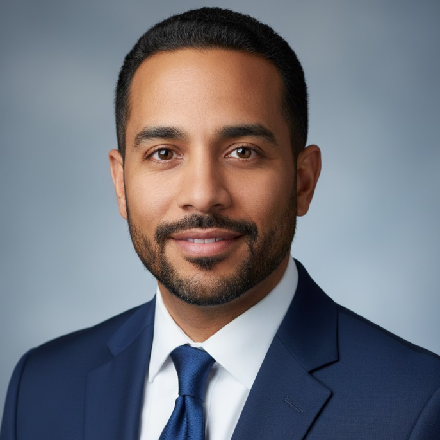
Tennessee’s Republican Gov. Bill Lee issued a pardon for country singer Jelly Roll on Thursday, marking the 33rd clemency decision of the year. The move follows a year‑long review of Jelly Roll’s application, which received a unanimous, nonbinding recommendation from the state parole board in April.
Governor’s Decision and Context
Lee said the pardon was the result of a “monthslong thorough review” and that it was “a redemptive, powerful story, which is what you look for and what you hope for,” according to reporters. The governor’s office noted that no pardons were granted that day to individuals with homicide, sex‑related convictions, or crimes committed as adults against minors. The pardon is a statement of forgiveness for someone who has already served a prison sentence and may restore certain civil rights, such as the right to vote, though limitations remain.
Jelly Roll’s Musical and Personal Journey
The rapper‑turned‑singer, legal name Jason Deford, has spoken for years about his path to redemption. He first emerged in the country music scene with the 2023 album “Whitsitt Chapel” and crossover hits like “Need a Favor.” Over his career, he has earned multiple CMT Awards, a CMA Award, and seven Grammy nominations. His songs often focus on overcoming adversity, including “Winning Streak,” which chronicles a first day of sobriety, and the blunt “I Am Not Okay.”
Legal History and the Pardon Process

Jelly Roll’s convictions include a robbery at age 17 and drug charges at 23. In 2002, a robbery involved a female acquaintance and two armed accomplices who stole $350 from a home; the victim’s knowledge of the acquaintance led to a quick arrest. Jelly Roll, who was unarmed, received one year in prison plus probation. In 2008, police found marijuana and crack cocaine in his vehicle, resulting in eight years of court‑ordered supervision. The parole board began reviewing his pardon application in October 2024, aligning with the state’s five‑year eligibility period after his sentence expired. Nashville attorney David Raybin represented him throughout the process.
Supporters and Public Statements
Friends and civic leaders rallied for the pardon, citing Jelly Roll’s transformation. Davidson County Sheriff Daron Hall, who manages Nashville’s jail, noted that Jelly Roll experienced an awakening in one of the jails he oversees. Hall said, “I think he has a chance and is in the process of rehabilitating a generation, and that’s not just words,” and added, “I’m talking about what I see we need in our country, is people who accept responsibility, accept the fact that they make mistakes and accept the fact that they need help.”
Live Nation Entertainment CEO and President Michael Rapino highlighted Jelly Roll’s charitable donations from performances to at‑risk youth. Jelly Roll himself has testified before the U.S. Senate on the dangers of fentanyl, describing his former drug‑dealing self as “the uneducated man in the kitchen playing chemist with drugs I knew absolutely nothing about.” He has also shared his story of incarceration and redemption with inmates during a surprise visit to the Hennepin County Jail while opening for Post Malone.
The Pardon’s Practical Impact
Jelly Roll has stated that the pardon will simplify international travel for concert tours and enable him to conduct Christian missionary work without burdensome paperwork. The pardon also underscores the state’s tradition of issuing clemency around the Christmas season, a practice that has been in place for years.
Key Takeaways
- Tennessee Gov. Bill Lee pardoned country star Jelly Roll, the 33rd clemency recipient of the year.
- The decision followed a unanimous parole board recommendation and a month‑long review.
- Jelly Roll’s convictions include a 2002 robbery and 2008 drug charges, with legal representation by David Raybin.
The pardon reflects Tennessee’s approach to forgiveness and the potential restoration of civil rights for individuals who have served their sentences. It also highlights the personal transformation that can occur within the correctional system, as demonstrated by Jelly Roll’s advocacy and artistic outreach.