


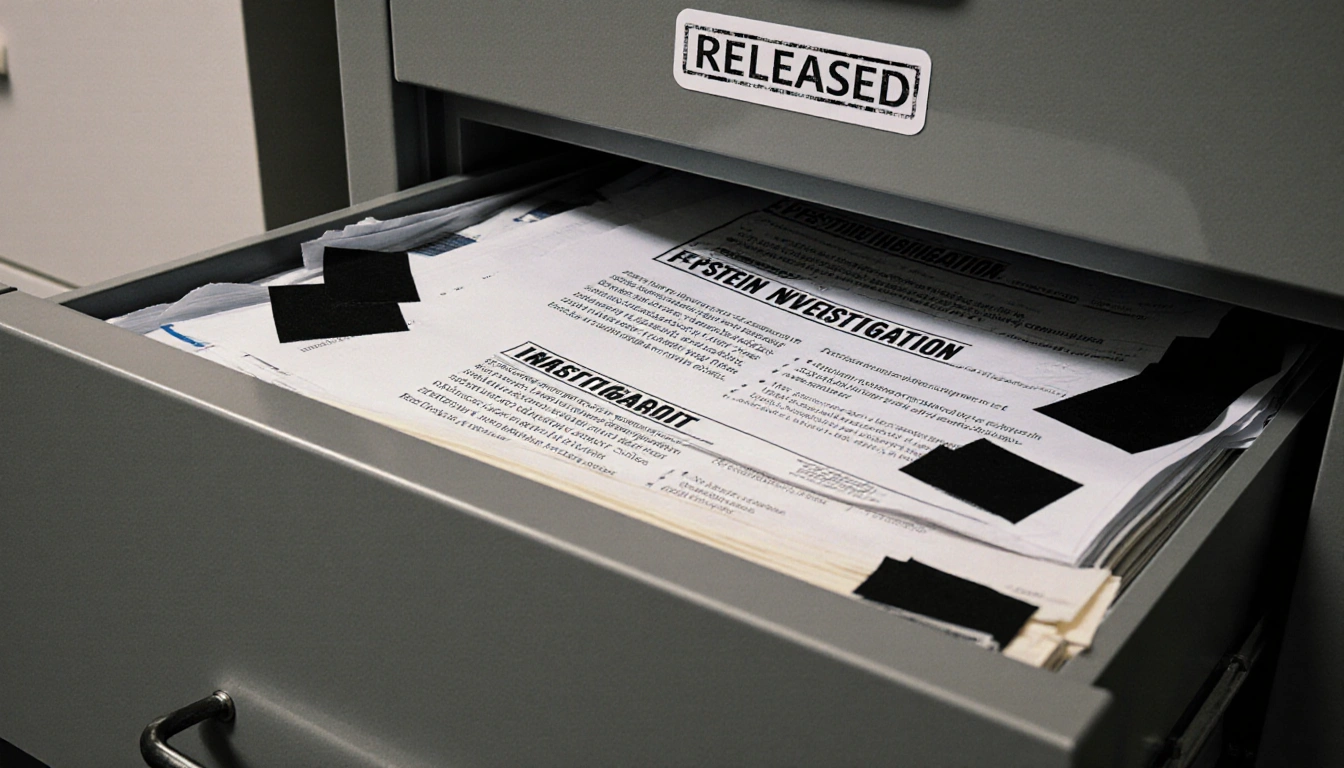
The Justice Department is set to open its vault of Jeffrey Epstein files this Friday, with the potential to unveil nearly 400,000 records that could expose the extent of the former financier’s abuse and the reach of his powerful associates.
DOJ Faces a Friday Deadline
The department has not yet announced the exact time of day it will publish the documents, but the total volume remains unclear. Deputy Attorney General Todd Blanche told Fox News that he expected the department to release “several hundred thousand” records Friday and then another several hundred thousand in the coming weeks. The files could offer the most detailed look yet at almost two decades of government investigations into Epstein’s sexual abuse of young women and underage girls.
Congressional Law Forces Release
On Nov. 19, Trump signed a bill that gives the Justice Department 30 days to release most of its files and communications related to Epstein, including information about the investigation into his death in a federal jail. The law allows redactions about victims or ongoing investigations but makes clear that no records shall be withheld or redacted due to “embarrassment, reputational harm, or political sensitivity.”
The passage of the bill was a remarkable display of bipartisanship that overcame months of opposition from Trump and Republican leadership. President Donald Trump said Monday that he would support releasing files in the Epstein case, accusing Democrats of orchestrating a “hoax” to distract the public from Republican wins.
Trump’s Changing Stance
Earlier in his presidency, Trump tried to keep the files sealed. In July, he dismissed some supporters as “weaklings” for falling for “the Jeffrey Epstein hoax.” Despite this, both Trump and House Speaker Mike Johnson, R-La., failed to prevent the legislation from reaching a vote. Trump later said the Epstein matter had become a distraction to the Republican agenda and that releasing the records was the best way to move on.
Attorney General Pam Bondi announced on Nov. 14 that she had ordered a top federal prosecutor to investigate Epstein’s ties to Trump’s political foes, including former President Bill Clinton. Bondi acted after Trump pressed for such an inquiry, though he did not explain what crimes he wanted the Justice Department to investigate. None of the men Trump mentioned in a social media post demanding the investigation had been accused of sexual misconduct by any of Epstein’s victims.
What the Records Could Reveal
The documents may shed light on why federal authorities shut down their initial investigation in 2008 and whether Epstein’s rich and powerful associates knew about or participated in the abuse. The public has long demanded answers about the extent of the network that allowed Epstein to operate for nearly two decades.
Republican Reps. Thomas Massie and Marjorie Taylor Greene and Democrat Ro Khanna have called on the Justice Department to release all files relating to the Jeffrey Epstein investigation.
Existing Public Records
A voluminous number of records related to Epstein is already public, including flight logs, address books, email correspondence, police reports, grand jury records, courtroom testimony, and transcripts of depositions of his accusers, his staffers and others. Yet the appetite for more records has remained insatiable, especially for anything that links Epstein to famous people such as Trump, Andrew Mountbatten-Windsor and Bill Clinton.
Trump was friends with Epstein for years before the two had a falling‑out. Neither he nor Clinton has ever been accused of wrongdoing in connection with Epstein, and the mere inclusion of someone’s name in files does not imply otherwise.
Mountbatten-Windsor denied ever having sex with Virginia Giuffre, but King Charles III stripped him of his royal titles this year after Giuffre’s memoir was published following her death.
Ghislaine Maxwell and Other Legal Outcomes
Federal prosecutors in New York brought new sex‑trafficking charges against Epstein in 2019, but he killed himself in jail a month after his arrest. Prosecutors then charged Epstein’s longtime confidant, British socialite Ghislaine Maxwell, with recruiting underage girls for Epstein to abuse. Maxwell was convicted in late 2021 and is serving a 20‑year prison sentence. She was moved from a low‑security federal prison in Florida to a minimum‑security prison camp in Texas after she was interviewed over the summer by Deputy Attorney General Todd Blanche. Her lawyers argued that she never should have been tried or convicted.
The Justice Department in July said it had not found any information that could support prosecuting anyone else.
Virginia Giuffre’s Legacy
Virginia Giuffre, who accused Epstein of arranging sexual encounters with numerous men, died by suicide at her farm in Western Australia in April at age 41. Her account fueled conspiracy theories about supposed government plots to protect the powerful, though prosecutors never brought charges in connection with her claims.
Key Takeaways
- The Justice Department will release “several hundred thousand” Epstein records Friday, with more to follow.
- A new law requires the release of files, limiting redactions to victims or ongoing investigations.
- Trump’s position shifted from trying to keep files sealed to supporting their release as a political strategy.
The upcoming release marks a significant moment in the long‑standing public demand for transparency about Jeffrey Epstein’s crimes and the possible involvement of his high‑profile associates.