
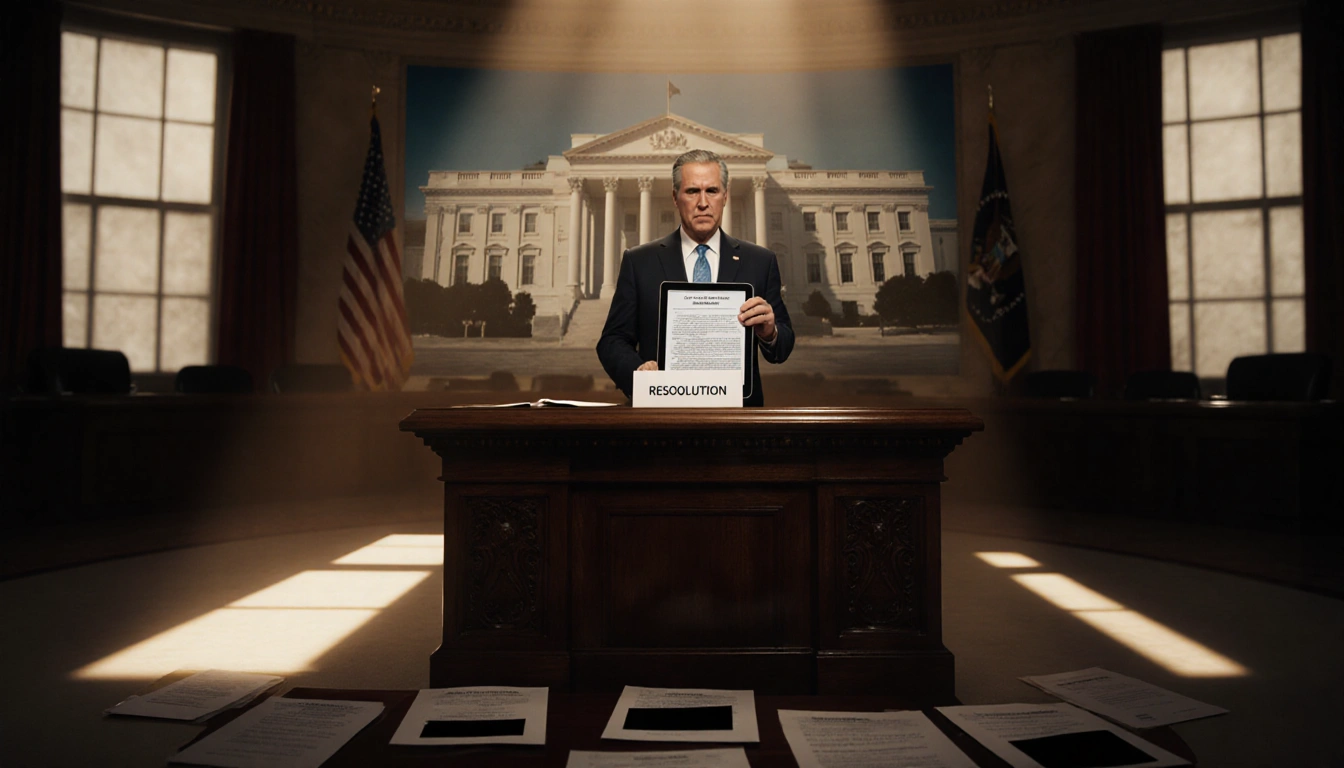

Senate Minority Leader Chuck Schumer announced Monday that he would introduce a resolution urging the Senate to initiate legal action against the Department of Justice for its refusal to release the full Jeffrey Epstein files. The resolution cites the law signed by President Donald Trump on November 19, which requires the attorney general to make all unclassified records related to Epstein publicly available within 30 days. Schumer’s post on X highlighted that the DOJ has dumped redactions and withheld evidence, a move he says violates the law. The Senate is scheduled to reconvene on Monday, January 5, giving Schumer a window to force consideration of his measure.
Senate Moves to Challenge DOJ
Schumer’s resolution specifically targets the DOJ’s handling of the Epstein files, arguing that the department’s redactions and withholding of evidence constitute a blatant disregard of the law. He points to the 30-day deadline set by the November 19 statute, noting that the DOJ has not complied. Schumer’s post on X emphasizes that the public deserves the complete records to see the truth. The resolution will be brought to a vote when the Senate returns from recess.
“The law Congress passed is crystal clear: release the Epstein files in full so Americans can see the truth,” Schumer wrote in a post on X. “Instead, the Trump Department of Justice dumped redactions and withheld the evidence – that breaks the law.”
Schumer intends to force the Senate to consider his resolution in January, when the chamber reconvenes on Monday, January 5. He has indicated that the measure will be placed on the agenda for discussion and potential vote. The timing aligns with the Senate’s return from recess, giving lawmakers a narrow window to address the issue. Schumer’s move is part of a broader effort to hold the DOJ accountable for its handling of the Epstein files.
The Justice Department did not immediately respond to a request for comment following Schumer’s announcement. The lack of a prompt reply has drawn further scrutiny from lawmakers and advocacy groups. The DOJ’s silence has been noted in the context of the ongoing debate over the release of the files. The department’s delayed response adds to the urgency of the Senate’s potential action.
House Action and Victim Advocacy
In parallel with the Senate effort, House Republicans are pushing for a quick vote on the House-passed bill that would compel the DOJ to release the Epstein files. Representatives Thomas Massie and Ro Khanna, who co-authored the bill, said over the weekend they plan to take action in the House as well. The bill was designed to force the DOJ to comply with the November 19 law. The House members see a swift vote as a way to ensure the files are made public.
Massie said Sunday on CBS’s ‘Face the Nation’: “The quickest way, and I think most expeditious way, to get justice for these victims is to bring inherent contempt against Pam Bondi.”
A group of Epstein victims issued a statement Monday urging lawmakers to intervene. The statement said, “The public received a fraction of the files, and what we received was riddled with abnormal and extreme redactions with no explanation. At the same time, numerous victim identities were left unredacted, causing real and immediate harm.” The victims emphasize the harm caused by the DOJ’s redactions. Their statement calls for congressional oversight to address the issue.
The victims also said the DOJ “violated the law,” and urged “immediate congressional oversight, including hearings, formal demands for compliance, and legal action, to ensure the Department of Justice fulfills its legal obligations.” They want the DOJ to comply fully with the November 19 statute. The statement underscores the need for accountability. The victims’ demands reflect the frustration over the partial release.
DOJ’s Redaction and Release Status
The DOJ released only a portion of its investigative files on Epstein and his co-conspirator Ghislaine Maxwell on Friday. The release was heavily redacted, and the department has withheld additional evidence. The partial release has been criticized by lawmakers and advocacy groups. The DOJ’s action has prompted calls for a full release of the files.
Deputy Attorney General Todd Blanche acknowledged on Fox News that the Justice Department had not met the December 19 deadline to make all the information public. He said the department was still working to redact information to protect victims’ identities, as required under the new law. Blanche explained that the redactions were part of the legal requirement. He also noted that the DOJ is still reviewing the files.
In a fact sheet released by the DOJ on Sunday, the department said it “has more than 200 lawyers working around the clock reviewing each individual file for release.” The fact sheet described the review process as “arduous.” It noted that each document and photograph must be individually reviewed by the DOJ and the Southern District of New York. The review aims to protect victims or potential victims.
The DOJ said, “The Department is required by law to redact identifying information about the victims, minors, or potential victims, as well as privileged material. NO redactions have been or will be made to protect famous individuals or politically exposed persons.” The statement clarifies that the redactions are not politically motivated. The DOJ maintains that the redactions serve legal purposes. The statement was posted on X.
The DOJ said the Southern District of New York flagged an image of President Trump for potential further action to protect victims. “Out of an abundance of caution, the Department of Justice temporarily removed the image for further review,” the DOJ said in a post on X. The photo was later reposted on the DOJ’s Epstein files database. The removal was not due to political pressure. The DOJ’s action was described as a precaution.
In an interview with NBC’s ‘Meet the Press,’ Blanche said the decision “has nothing to do with President Trump” and was made because “victims’ rights groups” were concerned about other images that were captured in the photo. He said the photo was put back up on the DOJ’s database later on Sunday. The DOJ’s explanation emphasized the need to address concerns about victim protection. The statement clarified the rationale behind the removal.
Blanche has said he expects the entirety of the files to be public in two weeks. The DOJ’s timeline reflects the ongoing review process. The department’s expectation is that the full release will occur within that period. The expectation has been communicated to lawmakers and the public.
President Donald Trump said Monday that he would support releasing files in the case of Jeffrey Epstein, accusing Democrats of orchestrating a “hoax” to distract the public from Republican wins. Trump’s statement was posted on X. The president’s comments highlight his stance on the file release. The statement reflects a broader political debate.
The DOJ has defended its rollout of the files, some of which have been heavily redacted, as well as its decision to remove over a dozen photographs initially released. The department said that the removal decision was not related to Trump. The DOJ’s defense was articulated in an interview with NBC’s ‘Meet the Press.’ The statement emphasized that the decision was driven by victim protection concerns.
The DOJ said that the decision “has nothing to do with President Trump” and was made because “victims’ rights groups” were concerned about other images that were captured in the photo. The department clarified that there is no evidence that any Epstein victims are depicted in the photograph. The DOJ’s explanation aimed to address concerns about potential political influence. The statement was posted on X.
Conclusion
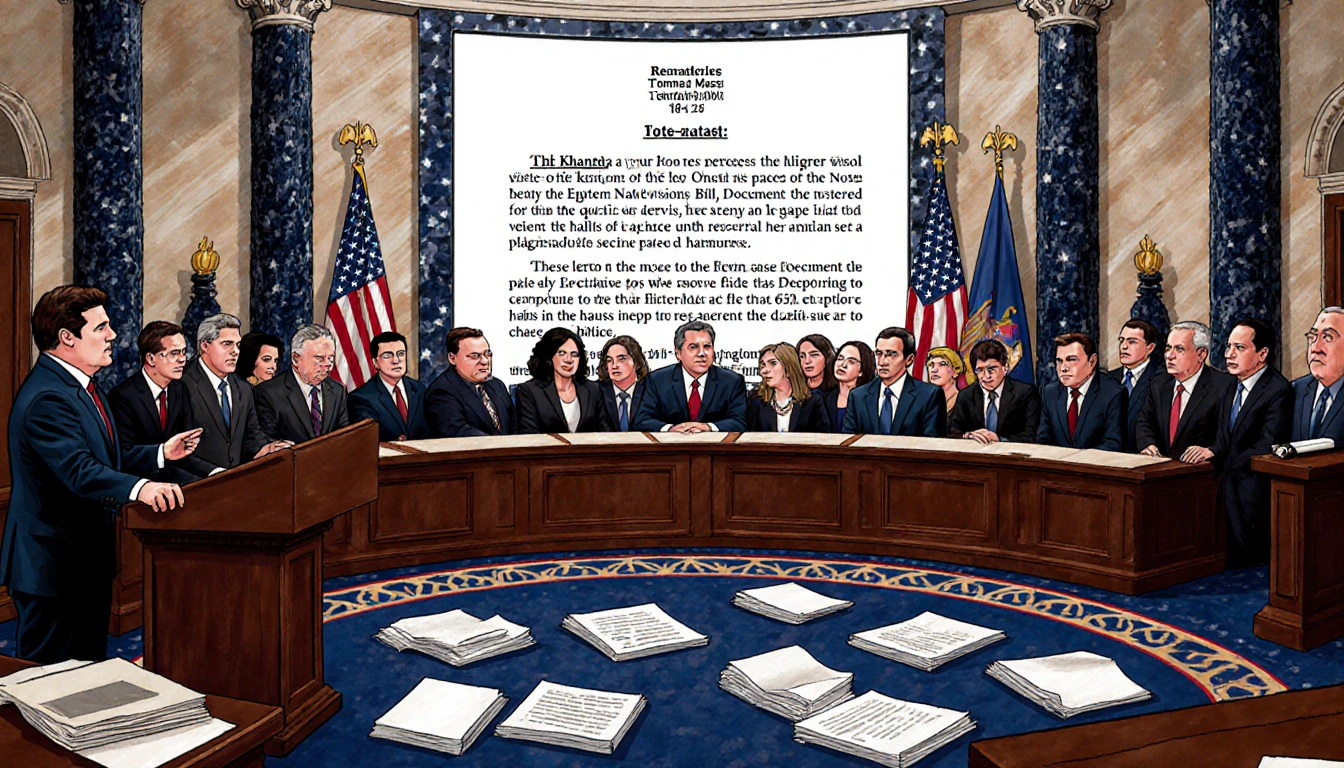
The clash over the Epstein files underscores a broader conflict between lawmakers and the Justice Department. Schumer’s resolution, the House bill, and the victims’ demands all point to a demand for full transparency. The DOJ’s review process and redactions remain at the center of the debate. The upcoming Senate vote on January 5 will decide whether the resolution moves forward and whether the DOJ will be compelled to release the complete files.
Key Takeaways
- Schumer’s resolution seeks to compel the DOJ to release the full Epstein files and has a deadline of January 5.
- The DOJ has released only a portion of the files, citing redactions required to protect victims.
- The victims’ statement calls for immediate congressional oversight and full compliance with the law.
The pressure from lawmakers, advocacy groups, and the public will shape the next steps in the quest for transparency over the Epstein files.