
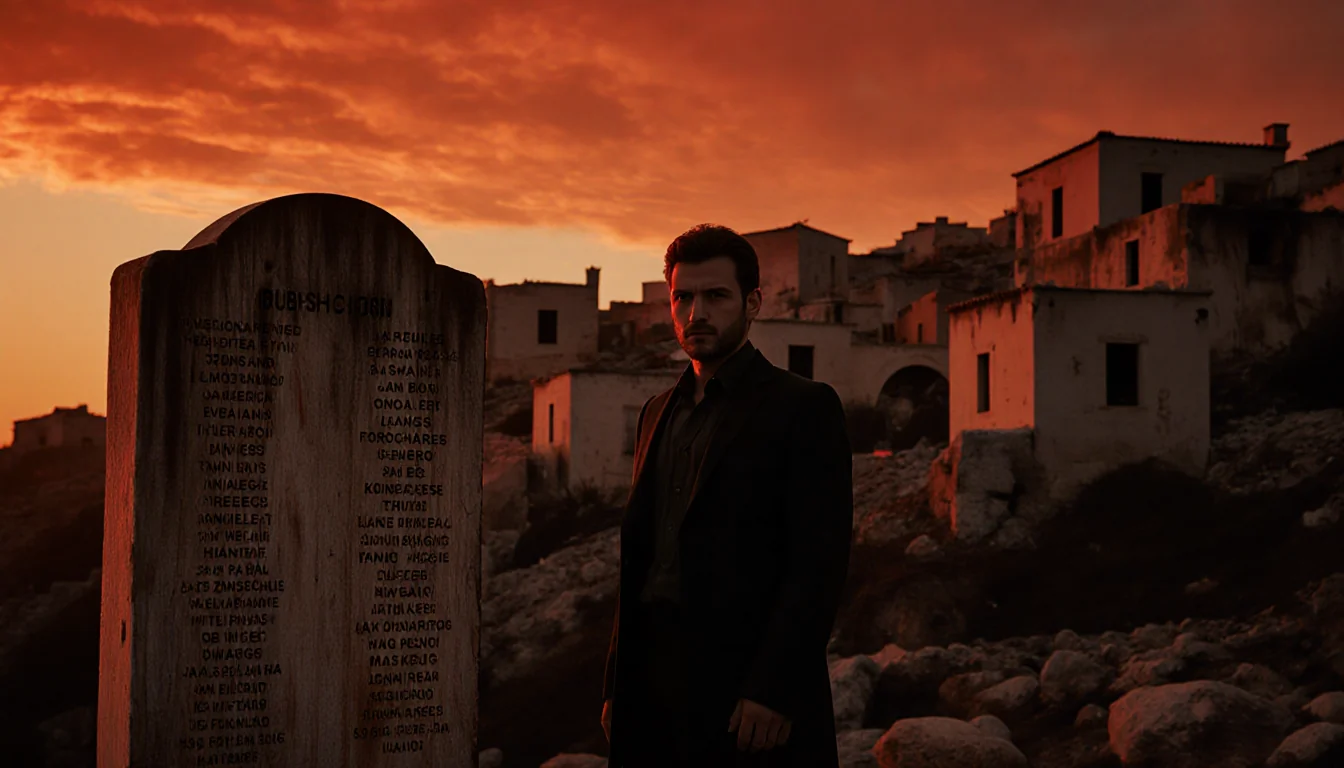
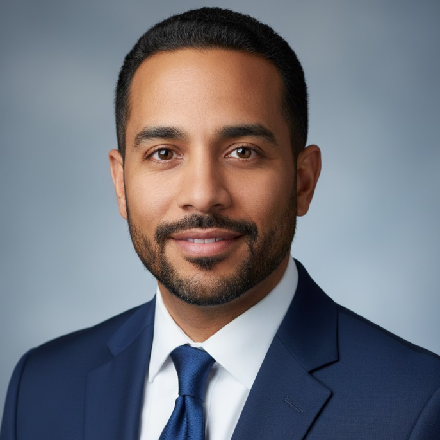
On December 13, 1943, Nazi soldiers executed nearly 700 men and teenage boys in the Greek village of Kalavryta, setting the town ablaze. Forty-two years later, a Texas-based student is bringing that forgotten tragedy into classrooms.
Background of the Massacre
The massacre, one of the most brutal Nazi atrocities outside the Holocaust, left Kalavryta known as the ‘village of widows.’
Alexandra Lahiri: From Family Stories to Historical Research
Alexandra Lahiri grew up hearing fragments of her family history from her Yiayia, but the true weight of those memories emerged when she studied the Kalavryta Massacre.
”Kalavryta was known, and kind of is known in some ways, as the village of widows,” Lahiri explained. ”Because all those men were killed.”
The Richter Fellowship and the Journey to Greece
Lahiri earned a Richter Fellowship that allowed her to travel to Greece, visit the massacre site, and conduct research at the Municipal Museum of the Kalavryta Holocaust.
”I was looking through the victims list, I just happened to fall upon it, and I was looking through the names and then I saw my great-great-grandfather’s name on the list,” Lahiri said, explaining he was killed in a nearby village.
Survivor Stories and Personal Connection
Her great-grandfather and grandmother survived the day. Lahiri recalls her grandmother’s account: ”I remember her telling me she felt trapped with smoke and flames,” Lahiri said. ”All the women and children were locked in the schoolhouse and then the schoolhouse was set on fire.”
Mission: Bringing the History into Classrooms
Lahiri, active in the DFW Greek community and Holy Trinity Greek Orthodox church, published her research, ”Remembering the Kalavyrta Massacre,” in the University Honors Program’s Hilltopics. Her goal is to integrate this chapter of modern Greek history into classroom curricula.
”People need to know about it because it’s an example of Nazi soldiers and troops murdering people who were not Jewish.”
The 82nd Anniversary and Call for Remembrance
This week, December 13th marks the 82nd anniversary of the massacre. Lahiri emphasizes the importance of family history: ”I think its really important to look into that family history it can tell you so much about how you are now,” Lahiri said. She adds, ”It’s really important for us to learn more about it now so that history and those testimonies and stories are not lost. It’s really important to learn about these war crimes and atrocities so that it can never happen again.”
Key Takeaways
- Alexandra Lahiri connects personal family history with the broader narrative of the Kalavryta Massacre.
- She uses a Richter Fellowship to conduct research and publish her findings.
- Lahiri urges that remembrance of this atrocity is essential to prevent future war crimes.
Lahiri’s work reminds us that history lives on through stories, and that the lessons of the past must be taught to safeguard the future.