
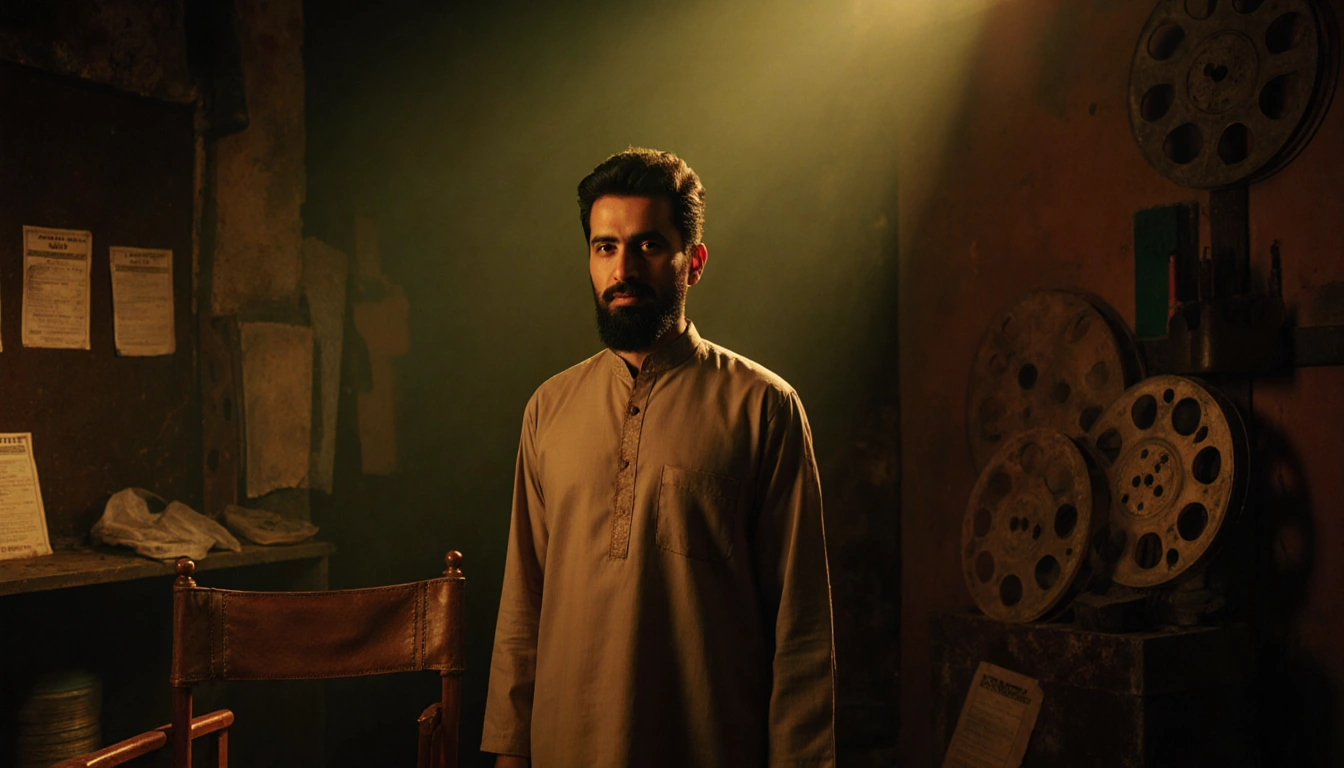
Mohammad Bakri, a Palestinian director and actor who worked in both Arabic and Hebrew, died at age 72 after heart and lung complications, his family announced. He was known for his efforts to portray the complexities of Palestinian identity through film and theater. Bakri’s career spanned several decades, beginning in the 1980s and continuing into the 2020s. His death has prompted reflections on his lasting impact on cinema.
Career and Early Work
Bakri was born in northern Israel and held Israeli citizenship. He studied at Tel Aviv University before pursuing a career in film and theater. In the 1980s he appeared in mainstream Israeli films that humanized Palestinian characters, such as “Beyond the Walls.” He also performed at Israel’s national theater in Tel Aviv.
Early Influences
Growing up in a region marked by conflict, Bakri’s early life was shaped by the dual realities of Israeli and Palestinian cultures. His education at Tel Aviv University provided him with formal training in the arts. The combination of academic study and practical experience in theater laid the groundwork for his later film work. These formative years influenced his commitment to telling stories that crossed cultural boundaries.
One-Man Show and Literary Roots
In 1986 he presented a one-man show titled “The Pessoptimist,” drawing on the writings of Palestinian author Emile Habiby. The performance explored the emotional complexities of holding both Israeli and Palestinian identities. It established Bakri as a voice that challenged stereotypes. The show received attention from critics and audiences alike.
Film Roles in 1980s
During the 1980s, Bakri played characters in mainstream Israeli films that humanized the Palestinian identity. His work in movies such as “Beyond the Walls” helped broaden representation in Israeli cinema. Critics noted his ability to portray nuanced Palestinian perspectives. These roles set the stage for his later, more controversial projects.
Jenin, Jenin and Legal Battle
In 2003 Bakri directed the documentary “Jenin, Jenin,” which covered an Israeli military operation in the northern West Bank city during the second Palestinian intifada. The film was banned by Israel and later faced legal scrutiny. In 2022 Israel’s Supreme Court upheld the ban, ruling the documentary defamed Israeli soldiers and ordering Bakri to pay damages to a military officer. The case left him unable to work with mainstream Israeli cinema again.
Supreme Court Ruling and Impact
The Supreme Court’s decision in 2022 was a pivotal moment in Bakri’s career. It affirmed the state’s authority to restrict content deemed defamatory. The ruling also highlighted the tension between artistic expression and national security concerns. Bakri’s reputation as a fearless filmmaker was solidified despite the legal setback.
Later Film Work and Family
Bakri appeared in the 2025 film “All That’s Left of You,” a drama chronicling a Palestinian family across more than 76 years. He acted alongside his sons, Adam and Saleh Bakri, who are also actors. The film was shortlisted by the Academy Awards for best international feature film. His collaboration with his sons highlighted a family tradition in cinema.
International Recognition
The Academy shortlist placed Bakri’s work among the most respected international films of the year. It brought global attention to the nuanced storytelling of Palestinian narratives. The recognition underscored the universal appeal of Bakri’s thematic focus on family and identity. Critics praised the film’s historical depth and emotional resonance.
Controversy and Legacy
Raya Morag, a professor at the Hebrew University of Jerusalem, said, “He broke stereotypes about how Israelis looked at Palestinians, and allowing someone Palestinian to be regarded as a hero in Israeli society,” she said. She added, “He was a very brave person, and he was brave by standing to his ideals, choosing not to be conformist in any way, and paying the price in both societies,” said Morag. Bakri faced pushback within Palestinian society for his cooperation with Israelis. Despite criticism, he remained loyal to his ideals throughout his career.
Cultural Impact and Identity
Bakri’s films consistently explored the intersection of Palestinian and Israeli identities. By presenting Palestinian stories in Hebrew, he challenged prevailing narratives in Israeli media. His work sparked dialogue about representation and belonging. Audiences on both sides of the divide found resonance in his storytelling.
Pushback from Palestinian Society
After the release of “Jenin, Jenin,” Bakri was subjected to almost two decades of court cases in Israel. The film was seen by many as unbalanced and inciting. The backlash extended beyond legal battles to social criticism within Palestinian circles. Bakri’s stance against conformity earned him both respect and scrutiny.
Death and Reactions
Local media reported that Bakri died Wednesday after suffering from heart and lung problems. His family confirmed the death and thanked the public for their support. The loss was mourned by colleagues and audiences in both Palestinian and Israeli communities. Tributes highlighted his dedication to cultural dialogue.
Cousin Rafic’s Tribute
His cousin Rafic told the Arabic news site Al-Jarmaq that Bakri was a tenacious advocate for Palestinians. He said, “I am certain that Abu Saleh will remain in the memory of Palestinian people everywhere and all people of the free world,” he said, using Mohammed Bakri’s nickname. Rafic emphasized Bakri’s commitment to his people through his art. The statement underscored the personal impact of Bakri’s legacy.
Key Takeaways
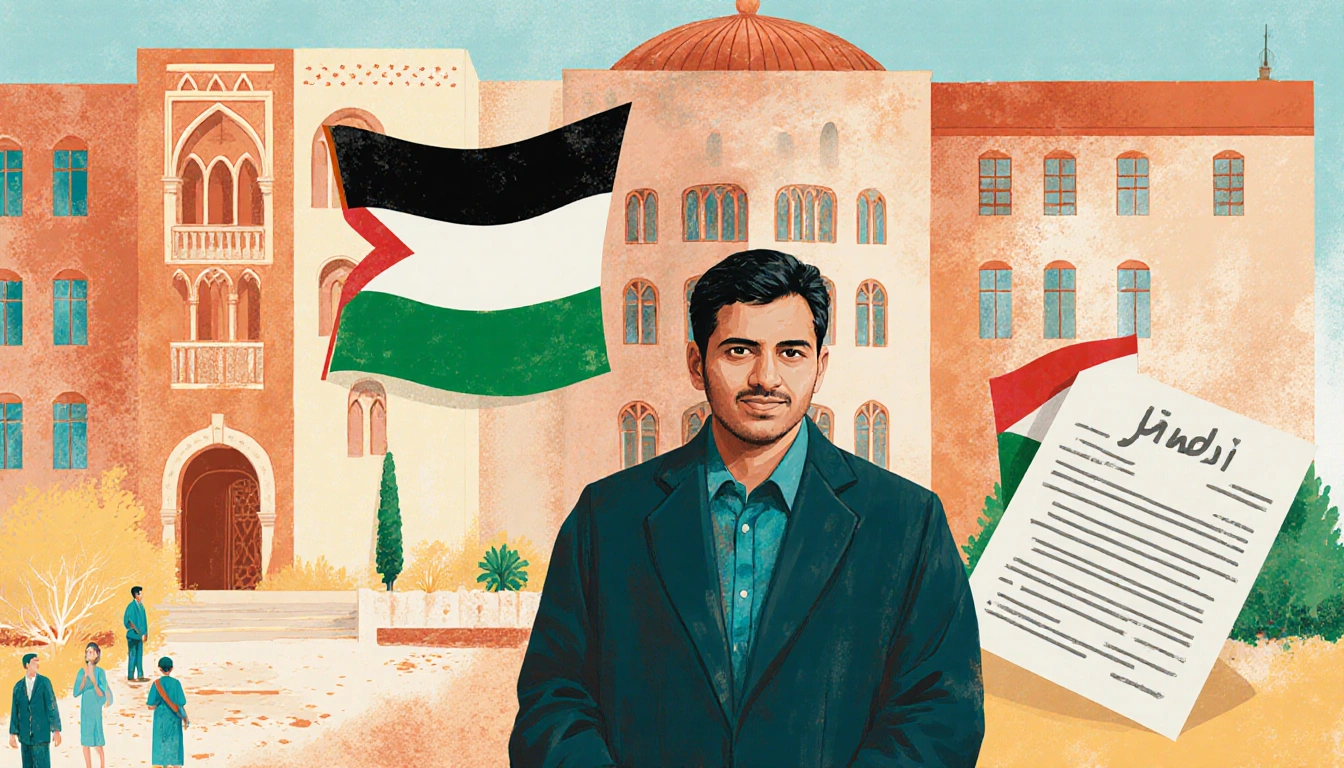
- Mohammad Bakri was a Palestinian director and actor who worked in Arabic and Hebrew.
- His documentary “Jenin, Jenin” was banned by Israel and led to a Supreme Court ruling.
- The 2025 film “All That’s Left of You” was shortlisted by the Academy Awards.
Closing
Bakri’s career bridged cultural divides and sparked debate about identity, representation, and the power of cinema. His legacy continues through his films and the work of his sons. The film community worldwide remembers him as a courageous storyteller.