
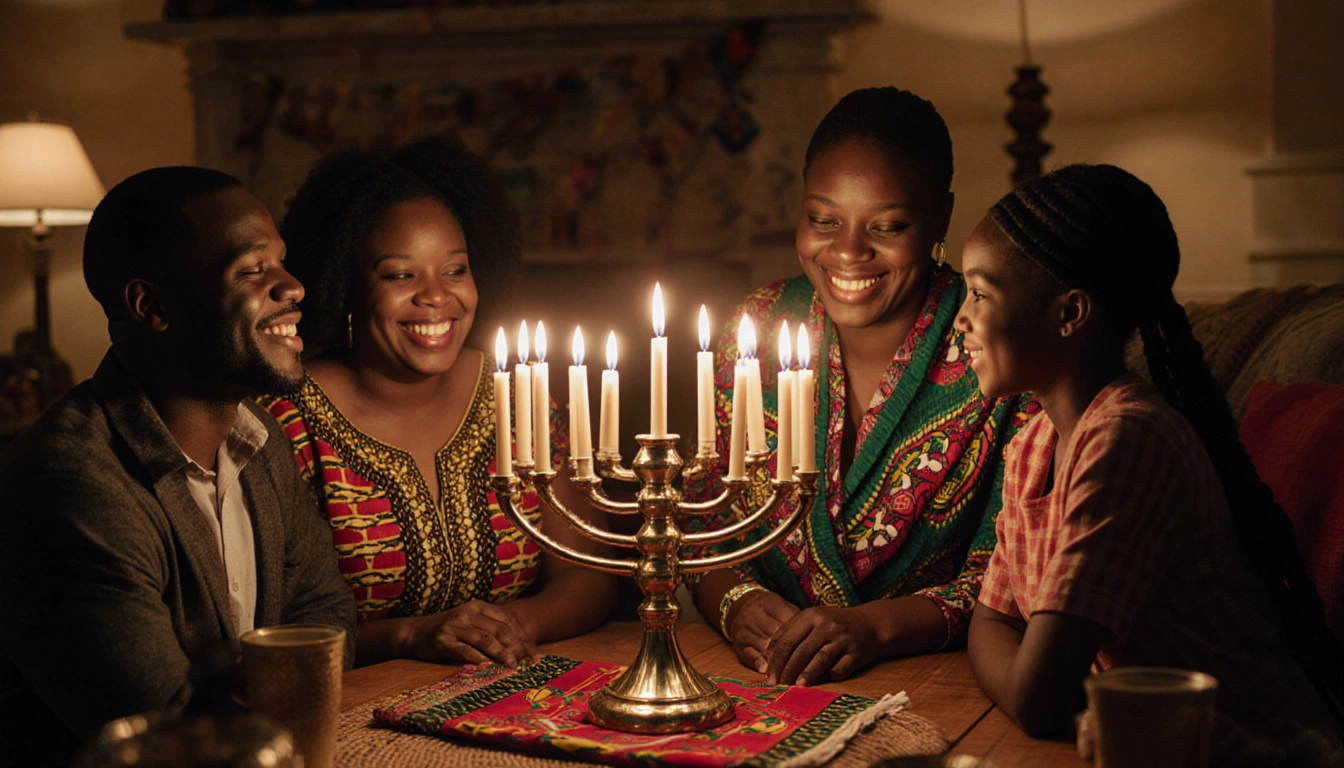

In the quiet days between Christmas and New Year, a vibrant celebration begins in many American homes. This holiday, called Kwanzaa, brings families together to honor African and African-American history and culture. It is a non-religious, week-long tradition that starts on December 26 and ends on January 1. Though it may not be as widely known as other holidays, its impact on community and cultural identity is profound.
What Is Kwanzaa?
Kwanzaa is a seven-day holiday that focuses on the shared heritage of people of African descent. The word itself comes from the Swahili phrase ‘matunda ya kwanza,’ which translates to ‘first fruits.’ The holiday is designed to celebrate achievements, reinforce community bonds, and preserve cultural practices. Unlike religious festivals, Kwanzaa is secular and open to all who wish to participate.
When Is It Celebrated?
Kwanzaa is observed every year from December 26 through January 1. These dates align with the winter solstice and the period after Christmas, offering a unique space for reflection and celebration. The holiday spans exactly seven days, each dedicated to one of the guiding principles. Families mark the end of the year by gathering around the kinara and sharing meals.
The Origins of Kwanzaa
Kwanzaa was created in 1966 by activist and author Maulana Ron Karenga. Karenga envisioned a nationally celebrated holiday that would bring Black Americans together and reaffirm African heritage and culture. The holiday drew inspiration from harvest festivals across Africa, incorporating symbolic elements that resonate with African traditions. It gained popularity during the 1980s and 1990s, coinciding with the rise of the Black Power movement.
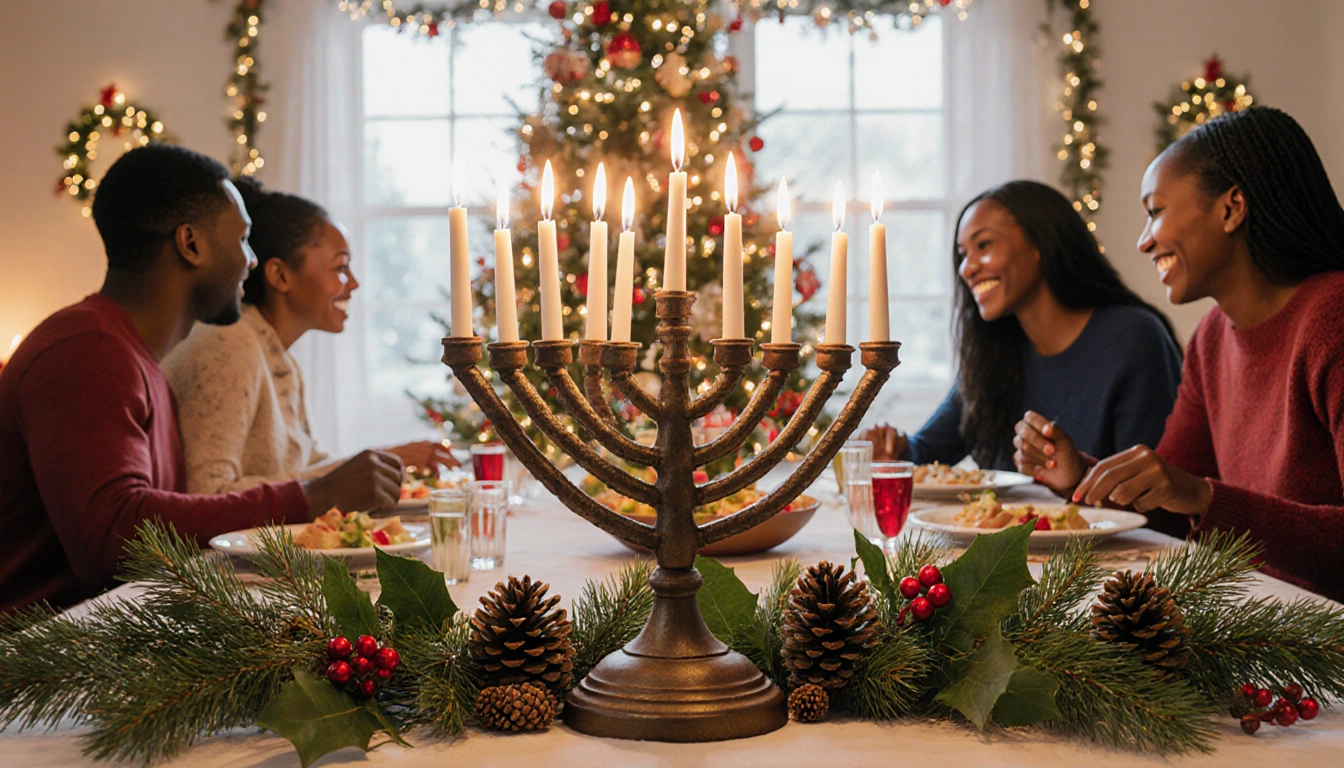
How Families Celebrate
Food and Reading
During the week-long celebration, families gather to eat meals inspired by the African diaspora. The dishes often feature ingredients and cooking styles that reflect African culinary traditions. Alongside food, families recite works from renowned Black writers and thinkers, sharing stories that reinforce cultural identity. These readings provide a narrative thread that connects the present celebration to historical achievements.
The Kinara and Candle Lighting
A central element of Kwanzaa is the kinara, a seven-branched candelabra that holds one black candle, three red candles, and three green candles. Each day, a new candle is lit to represent one of the seven principles. The lighting ceremony is a communal ritual that emphasizes unity and shared purpose. As the candles burn, families reflect on the meanings behind each principle.
Colors and Symbols
The colors of the candles correspond to the Pan-African flag: red, black, and green. Red symbolizes the historical struggle faced by Black people worldwide. Green represents hope for the future, while black embodies the African-American community. Families also decorate with symbols such as a Mkeka woven mat, Muhindi corn for each child, fruit called Mazao for harvest, and gifts known as Zawadi.
The Seven Principles of Kwanzaa
Each of the seven days of Kwanzaa focuses on a specific principle, collectively known as Nguzo Saba. The principles guide personal and communal actions throughout the holiday. They are: Umoja (Unity), Kujichagulia (Self-Determination), Ujima (Collective work and responsibility), Ujamaa (Cooperative economics), Nia (Purpose), Kuumba (Creativity), and Imani (Faith). Families discuss and embody these principles during daily gatherings and activities.
Key Takeaways
- Kwanzaa is a seven-day secular holiday founded in 1966 by Maulana Karenga to celebrate African heritage.
- Celebrations include communal meals, readings, candle lighting, and the use of symbols that reflect African traditions.
- Each day honors one of the seven Nguzo Saba principles, encouraging unity, self-determination, and cultural pride.
As the world continues to celebrate diversity, Kwanzaa remains a vital expression of African-American identity, offering a meaningful way for communities to honor their roots and look forward together.