

At a Glance
- NASA plans to launch Artemis II in 2026, the first crewed moon orbit in more than 50 years.
- The 10-day mission will test the Space Launch System rocket and Orion spacecraft.
- Four astronauts-Reid Wiseman, Victor Glover, Christina Koch, and Canadian Jeremy Hansen-will fly the craft.
- Why it matters: The flight will validate life-support and docking systems needed for future lunar landings and a long-term presence.
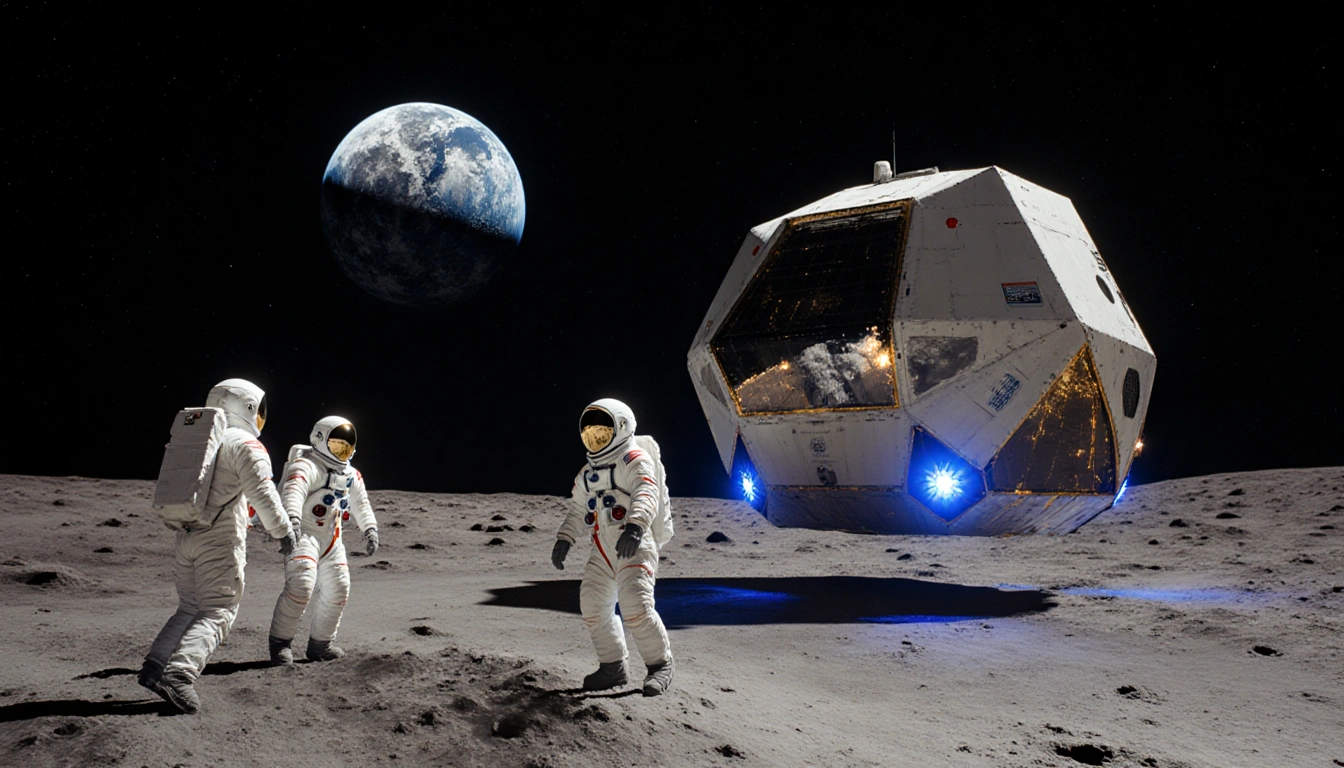
NASA’s Artemis II mission, slated for 2026, marks the agency’s first crewed flight around the moon in more than half a century. The roughly 10-day trip will push the new Space Launch System rocket and Orion capsule to their limits, setting the stage for a 2027 lunar landing.
Mission Overview
Artemis II will orbit the moon for about ten days, the closest humans will have approached the lunar surface since the Apollo era. The mission will test crew-life-support, navigation, and docking procedures in deep space.
- Roughly 10-day duration
- First crewed flight of the SLS and Orion
- Launch window expected between February and April
Crew and Timeline
The four-person crew will launch on a Space Launch System rocket and orbit the moon before returning to Earth. The launch window is projected for early 2026, with a return after the lunar fly-by.
| Astronaut | Nationality | Mission Count |
|---|---|---|
| Reid Wiseman | USA | 2 |
| Victor Glover | USA | 2 |
| Christina Koch | USA | 2 |
| Jeremy Hansen | Canada | 1 |
Technical Significance
Artemis II will be the first time humans travel on the SLS and Orion in a deep-space environment, providing critical data on life-support and systems performance.
- First crewed test of the Space Launch System
- First use of Orion’s life-support in lunar orbit
- First docking maneuvers in deep space
Jared Isaacman stated:
> “Within the next three years, we are going to land American astronauts again on the moon, but this time with the infrastructure to stay,”
Brett Denevi noted:
> “As you can imagine, lunar scientists have had a lot of pent up questions for decades. Earth is kind of a terrible record-keeper…”
Casey Dreier added:
> “There’s a lot riding on this, both good and bad… Everything seems to be coming together, but this is the first time with humans on this rocket, and we’ve never tested this life-support system in space before.”
Political and Scientific Context
The mission reflects President Trump’s long-standing goal of returning to the moon and signals U.S. intent to maintain leadership in the space race against China, which aims to land astronauts by 2030.
- Trump’s executive order prioritizes lunar landings by 2028
- China plans lunar landings by 2030
- Artemis II paves the way for Artemis III in 2027
Brett Denevi emphasized:
> “Apollo gave us the framework to understand the moon, and now we have the foundation to ask different questions.”
Key Takeaways
- Artemis II will launch in 2026 and orbit the moon for ten days.
- The mission tests the first crewed use of the SLS and Orion.
- The flight sets the stage for a 2027 lunar landing and a long-term presence.
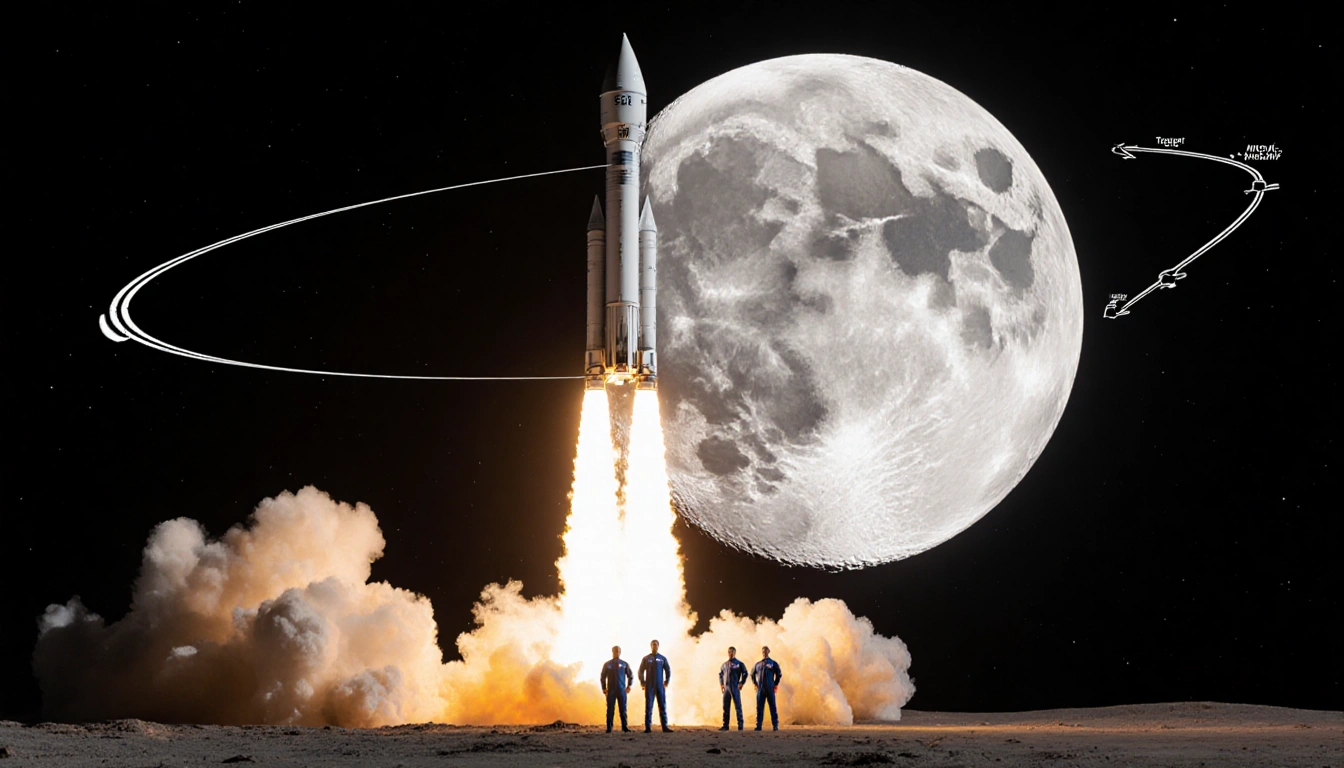
The Artemis II mission is a critical step toward a sustained human presence on the moon, with implications for future Mars exploration.