

At a Glance
- 2026 will feature historic moon visits, dramatic eclipses, and a Christmas Eve supermoon 221,668 miles away.
- A comet from another star, 3I/Atlas, will fade after its December swing.
- Solar activity will trigger auroras and a ring-of-fire eclipse in Antarctica.
- Why it matters: These events offer rare scientific opportunities and spectacular sky-watching moments for everyone.
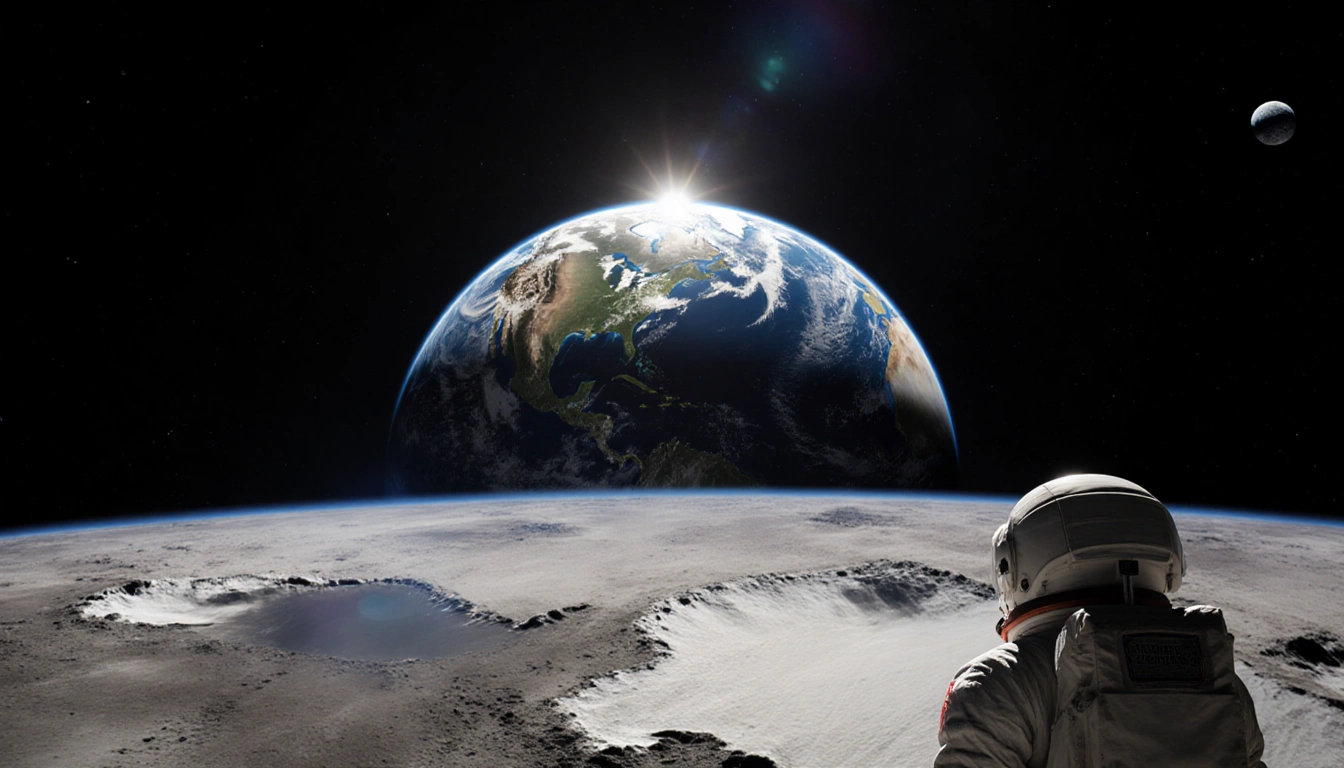
2026 promises a celestial fireworks display that will draw eyes from Earth’s surface to its far side. Astronauts will return to the moon after half a century, while a comet fades and the sun stages dramatic eclipses. Even the night sky will shine brighter with a Christmas Eve supermoon.
Moon Missions & Landers
NASA’s commander Reid Wiseman will lead a 10-day crew of three Americans and one Canadian to the lunar far side, their first chance to study regions missed by Apollo. The mission will fly past the moon, loop behind it, and return to Earth-no moonwalks this time. Meanwhile, private companies will launch landers: Blue Moon by Jeff Bezos’ Blue Origin, Astrobotic Technology, Intuitive Machines, Firefly Aerospace, and a Chinese rover-hopper set for the south polar region.
- Blue Moon – 26-foot prototype, crew version almost double.
- Astrobotic Technology – 2026 lunar landing with scientific payload.
- Intuitive Machines – 2026 landing target.
- Firefly Aerospace – first private lunar landing, far side 2026.
- China – rover and hopper for south polar craters.
Solar & Lunar Eclipses
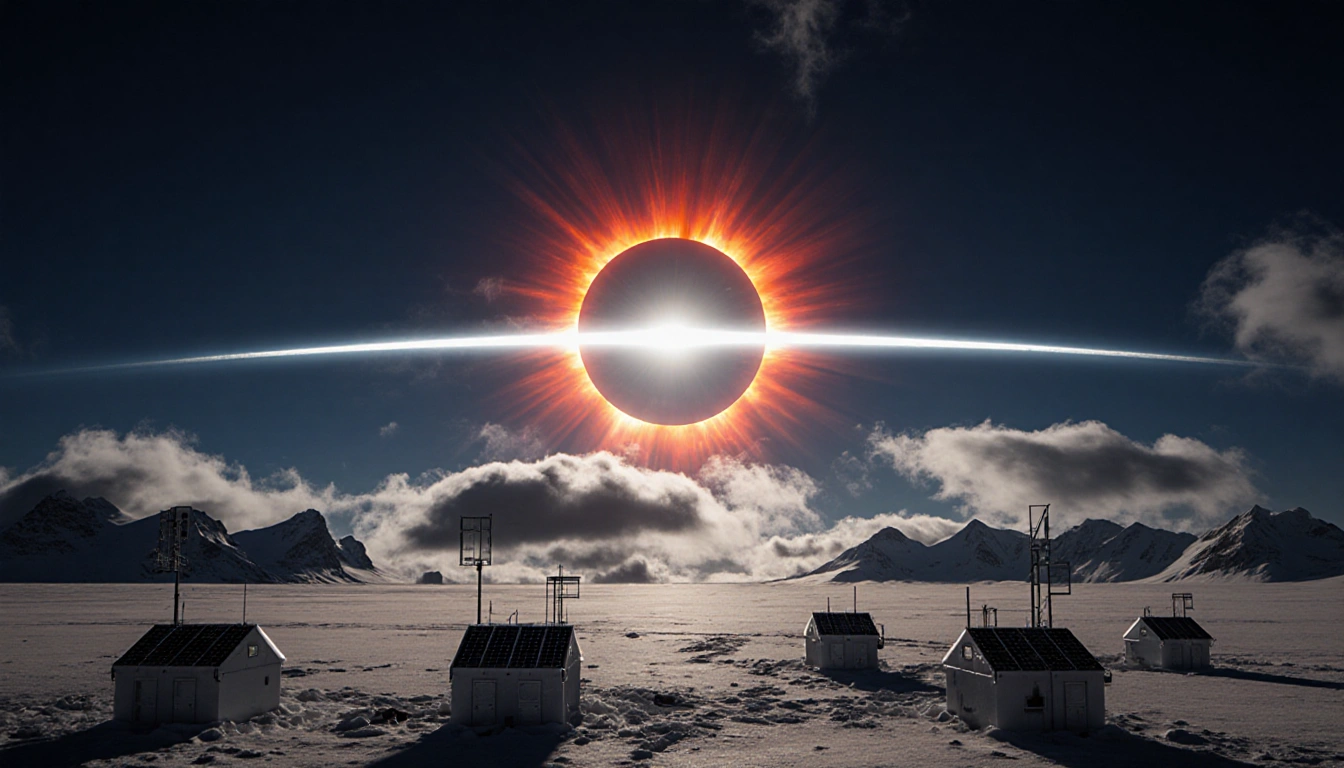
The year opens with a ring-of-fire eclipse over Antarctica on February 17, visible only from a few research stations. A total solar eclipse follows on August 12, beginning in the Arctic and sweeping across Greenland, Iceland and Spain, with 2 minutes 18 seconds of totality. Two weeks after the ring-of-fire, a total lunar eclipse will occur, and a partial lunar eclipse will close the action at the end of August.
- Feb 17 – Ring-of-fire over Antarctica.
- Aug 12 – Total solar eclipse, 2 min 18 sec, Arctic-to-Spain path.
- Late August – Partial lunar eclipse.
Planetary Parade & Supermoons
On February 28, six of the solar system’s eight planets-including a nearly full moon-will align, with Mercury, Venus, Jupiter and Saturn visible after sunset. Mars will miss the parade, but will join a six-planet lineup in August, while Venus will hold out. Three supermoons will light up the night sky: a January 3 supermoon coinciding with a meteor shower, a November 24 supermoon, and a Christmas Eve supermoon on December 23-24 that will be only 221,668 miles from Earth.
| Date | Event | Distance |
|---|---|---|
| Jan 3 | Supermoon | – |
| Nov 24 | Supermoon | – |
| Dec 23-24 | Christmas Eve Supermoon | 221,668 mi |
Comet 3I/Atlas & Jupiter
The interstellar comet 3I/Atlas remains visible through powerful backyard telescopes but is fading after its December swing. Jupiter will make a close pass in March, drawing attention from astronomers. NASA’s Paul Chodas notes that this is the third known interstellar visitor and that future sightings are likely as technology improves.
NASA’s Paul Chodas said:
> “I can’t believe it’s taken this long to find three,”
NASA’s Paul Chodas added:
> “the chance of catching another interstellar visitor will increase.”
Auroras & Space Weather
Solar eruptions are expected to produce geomagnetic storms that could trigger auroras, though the 11-year cycle is easing. NOAA’s Rob Steenburgh anticipates new data from a fall-launched observatory to improve forecasting. He said, “2026 will be an exciting year for space weather enthusiasts,” adding that the spacecraft will help scientists better understand the Sun’s impacts.
Key Takeaways
- 2026 will see astronauts return to the moon and a fleet of robotic landers.
- Dramatic eclipses, including a ring-of-fire and a total solar eclipse, will sweep the globe.
- A Christmas Eve supermoon and fading interstellar comet add extra celestial highlights.
From the far side of the moon to the aurora-lit skies, 2026 offers a rare chance to witness humanity’s growing reach into space and the Sun’s powerful display. Keep an eye on the heavens for a year of unforgettable astronomical events.