


At a Glance
- Trump supporters still largely back him but are growing uneasy about the economy and immigration.
- Focus-group study from March to December 2025 shows cracks in loyalty.
- Many voters say the president has not tackled inflation or deportation policies effectively.
- Why it matters: As the 2026 midterms loom, a wavering coalition could shift the political landscape.
The year-long focus-group study reveals that while Trump’s base remains loyal, doubts over the economy and immigration are mounting, raising questions about the strength of his coalition heading into the midterms.
Loyalty and Growing Doubts
The study, conducted by Syracuse University, Engagious, and Sago, interviewed more than 50 Black, Hispanic, and young voters who voted for Trump in 2024, as well as voters who shifted to Democrats in recent state races. The researchers noted that few voters are fully off the “Trump train,” but a sizable group has begun raising concerns.
Margaret Talev, director of Syracuse University’s Institute for Democracy, Journalism and Citizenship, explained:
> “Many of these voters gave President Trump a long runway well into the summer because they believed that he understands how business works better than they do and that his own fortune would eventually translate to enriching the country and their own finances or because they felt so strongly that unchecked immigration was a huge problem that needed a huge fix.”
Margaret Talev continued:
> “But as the year wore on, we have seen a shift among these voters collectively, cracks in their faith, more questioning, oscillating or outright change of heart about Trump.”
Economy: Inflation and Tariffs
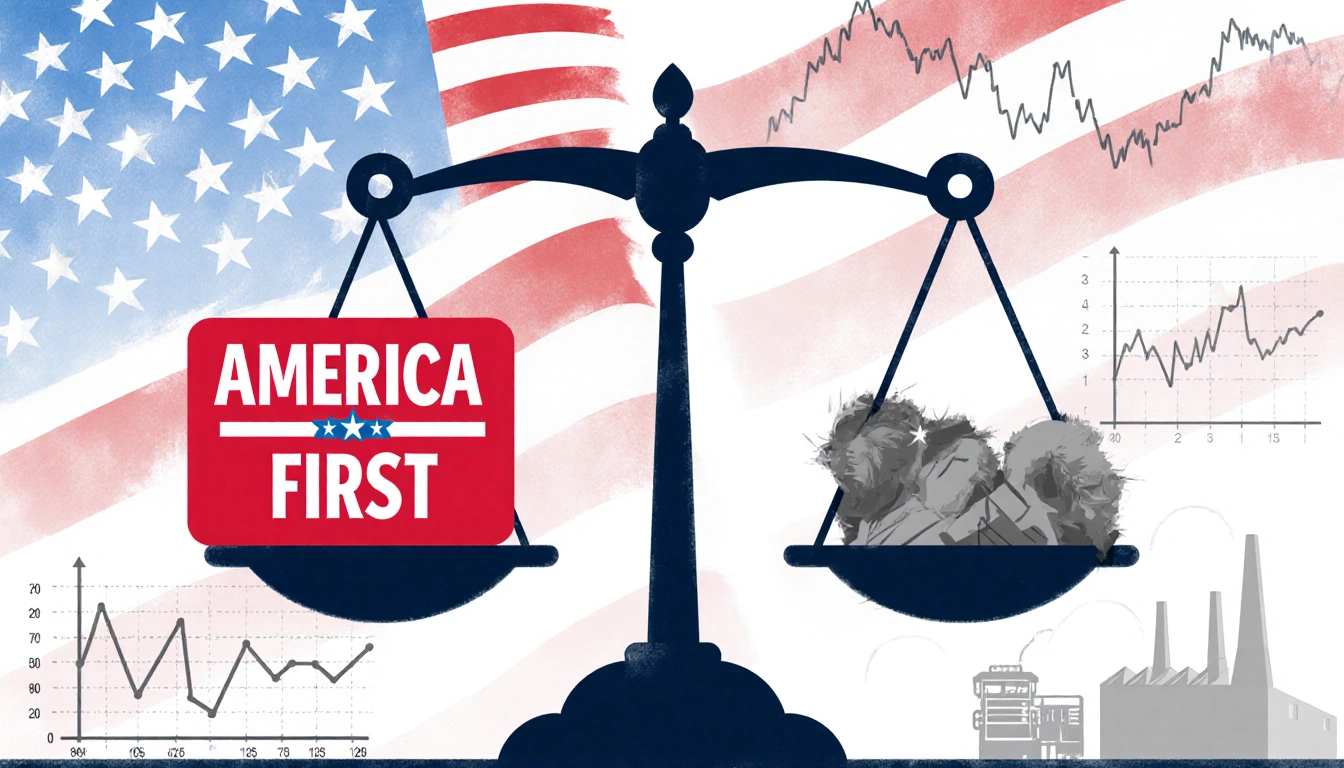
The focus groups revealed a split over the president’s use of tariffs and his handling of inflation. Voters were divided from the start over tariffs, caught between an “America First” promise and frustration with its rollout.
- Inflation: Fewer than half of Trump voters across the four focus groups said they felt that Trump had made fighting inflation a top priority.
- Tariffs: Some voters see tariffs as a necessary balancing act; others view them as taxes on the American people.
Rich Thau of Engagious, who moderated the sessions, told News Of Fort Worth that:
> “It’s clear President Trump’s greatest vulnerability is being viewed as ineffective and insulated when it comes to inflation-just like President Biden was.”
Robert L., a 54-year-old Virginian, said in December that the president’s comments about inflation improving are “delusional” and prove he’s “out of touch.”
Justin K., a 39-year-old Virginian, added:
> “He’s been focused on prosecuting his political enemies, pardoning people. I don’t even think that there’s much a president can do on inflation, but I think that this was a kind of situation where he just said it to get elected.”
Immigration: Support Meets Concern
Most Trump voters in the study praised his hard-line stance on illegal border crossings, but many criticized the administration’s deportation policies.
Rebecca H., a 52-year-old independent from Virginia, said in December that she approves of how Trump is “tightening the border control” and “restricting the refugees,” but disapproved of the “kidnapping” of people by U.S. Immigration and Customs Enforcement.
Katelyn R., a 21-year-old Wisconsin independent, said:
> “The way that these people are being treated don’t align with my Christian values, or my pro-life values, or any of the values that a conservative may have.”
Ruby L., a 59-year-old Georgia voter born in Colombia, noted:
> “He was going to deport people that were criminals and have backgrounds. But I see that he’s deporting people that work hard and have been in this country.”
Key Takeaways
- Trump’s base remains largely loyal but is increasingly questioning his economic performance.
- Inflation and tariff policies are the main sources of doubt among supporters.
- Deportation practices have sparked criticism even among voters who otherwise back Trump.
The focus-group findings suggest that as the 2026 midterms approach, the president’s coalition may face growing uncertainty, potentially reshaping the electoral map.