
At a Glance
- Geofencing lets smart home devices act when you leave or arrive.
- It can automate lights, locks, and thermostats with a simple setting.
- ADT+ and smart plugs make setup easy for most users.
- Why it matters: It saves time, reduces energy use, and adds convenience to everyday life.
Smart homes are getting smarter-literally. By giving a home-automation app your address, the app can track when you’re away or coming back and trigger actions. That’s the core of geofencing.
What Is Geofencing?
Geofencing is a mobile technology that uses GPS and other location data to create a virtual boundary. When a phone leaves that boundary, the app can trigger rules. In a home-automation context, the boundary is usually your house.
How Smart Homes Use Geofencing
When geofencing is enabled, devices can behave differently depending on your presence. For example:
- Lights, fans, or air purifiers can turn off when you leave.
- The front door lock can automatically lock.
- Smart thermostats can reduce heating or cooling while you’re away.
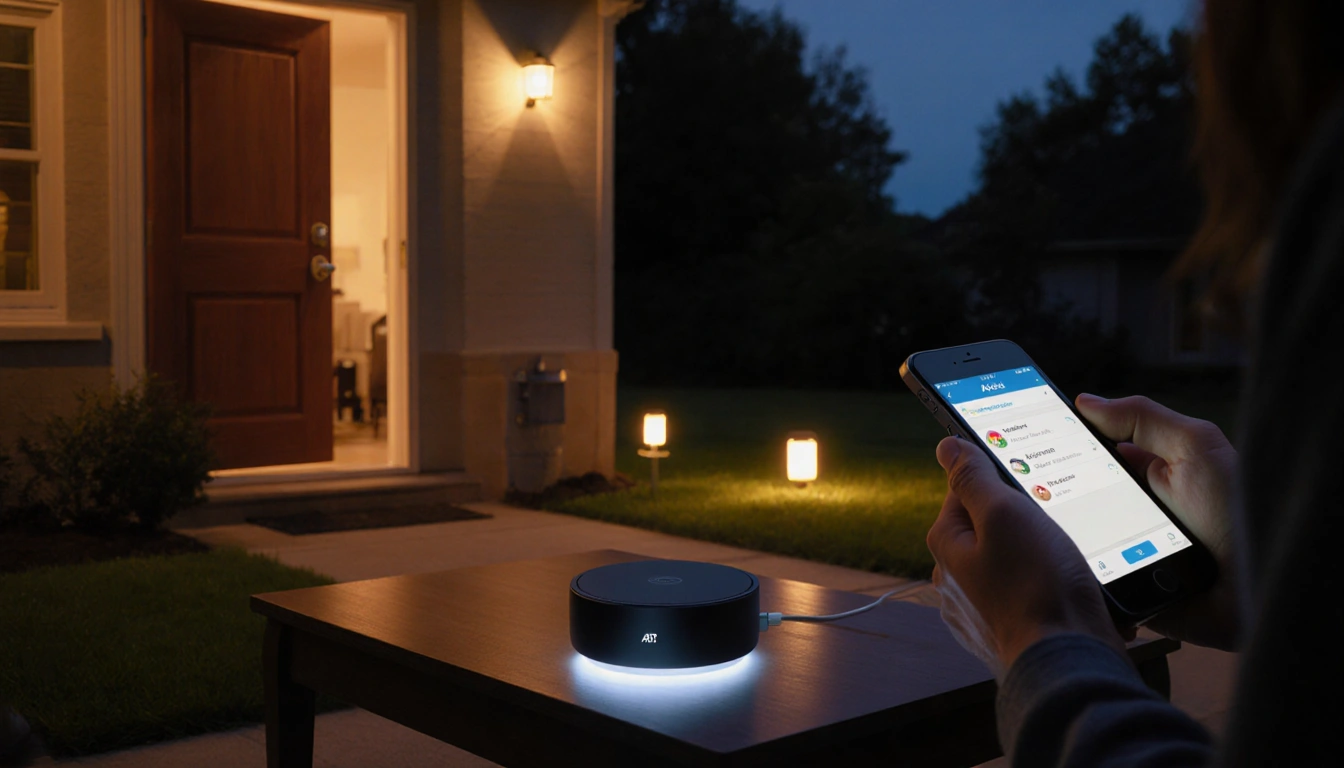
ADT+ offers a platform that automatically arms or disarms your security system based on your location, and can integrate with smart locks.
Getting Started with Geofencing
You don’t need complex routines or maps to start. A smart plug that supports home/away modes is a quick entry point-plug it into a light or fan and watch it power down when you’re gone. If you already have a security system, check if it supports geofencing-based arming.
Devices that support Matter or work with Alexa, Apple Home, or Google Home are more likely to include geofencing features.
Is Geofencing Safe and Private?
Natalie A. Brooks stated:
> “Geofencing is generally considered safe. In my years of smart home testing, I’ve never heard of consumer geofencing being misused or landing anyone in danger.”
The main risk is that a bug could cause a system to disarm or fail to trigger. Privacy concerns arise because the app must enable location tracking, giving it data about where you live and when you arrive or leave. That data can be used for analysis or marketing, and may be sold to third parties.
Key Takeaways
- Geofencing turns a simple address into a trigger for home automation.
- Smart plugs and platforms like ADT+ let you start with minimal setup.
- While generally safe, geofencing relies on continuous location data, raising privacy considerations.
Geofencing is a subtle but powerful addition to any smart home, turning ordinary devices into context-aware helpers.