
At a Glance
- Cardiologists identify top FDA-approved home blood pressure monitors.
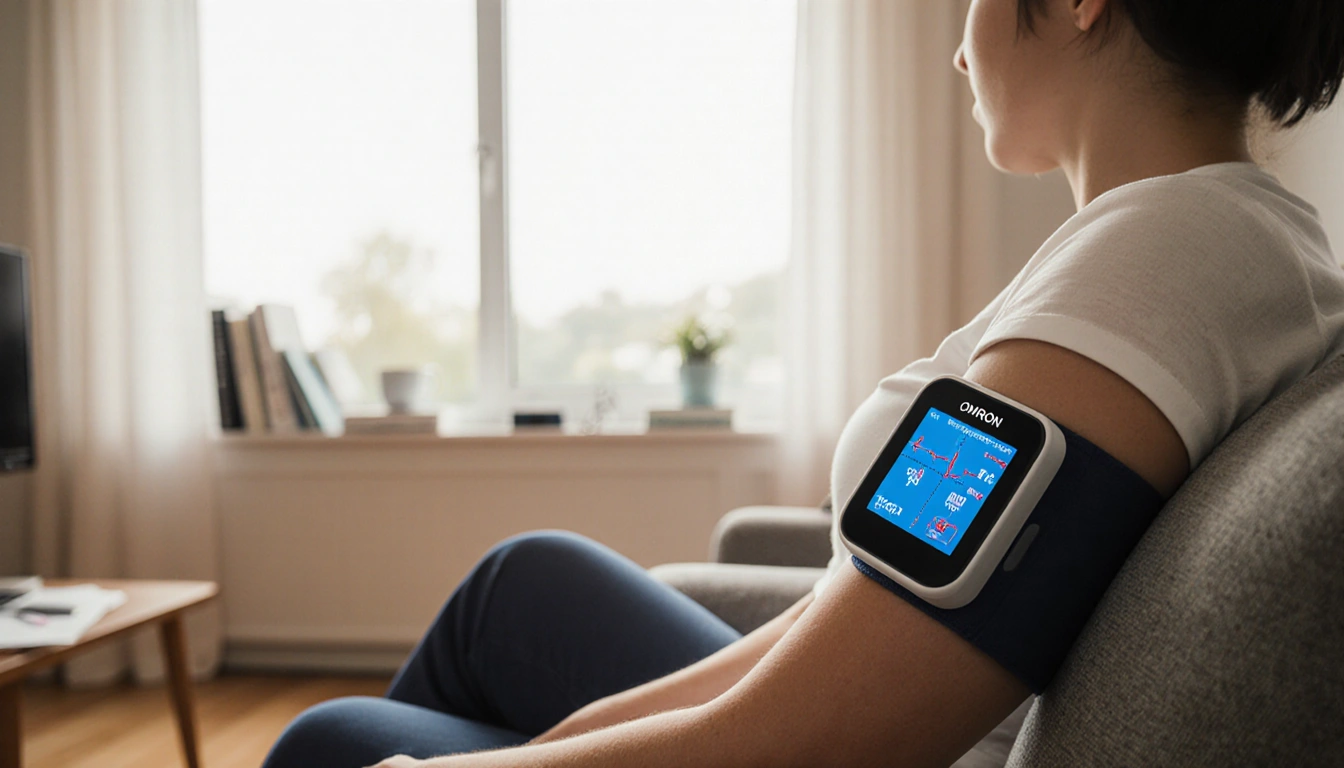
- Best models include Withings BPM Connect, Omron Complete with EKG, LifeSource extra-large cuff, and affordable Omron 3 Series.
- Wrist monitors are not recommended due to inaccuracy.
- Why it matters: Accurate home readings help detect high or low blood pressure early, guiding timely medical care.
If you’re at risk of high blood pressure, the American Heart Association says regular home monitoring is essential. Cardiologists have reviewed dozens of FDA-approved devices to pinpoint which models deliver the most accurate and user-friendly readings. Below we break down their top picks and explain why wrist monitors fall short.
Who Should Track Their Blood Pressure?
Dr. Mary Branch said:
> “Blood pressure is a good overall measure of health, so really anyone can,” Branch said. She added that some people may feel blood pressure is only something to worry about when you’re older, but it’s important to establish a baseline when you’re younger, along with other basic health metrics like A1C and lipids.
People with hypertension, pregnancy history, or other high-risk conditions should monitor regularly.
What to Watch When Monitoring at Home
Dr. Mustali Dohadwala explained:
> “Erratic” blood pressure readings, meaning those that are significantly lower or higher morning to night, or even minute to minute, can indicate an irregular heartbeat such as atrial fibrillation.
Any reading above 180 systolic or 120 diastolic is a hypertensive crisis and requires immediate medical care.
How We Chose the Best Monitors
We tested devices in 2019, evaluating consistency, brand credibility, and accuracy. Cardiologists preferred models that were clinically validated and offered multiple user profiles.
Key Features to Consider
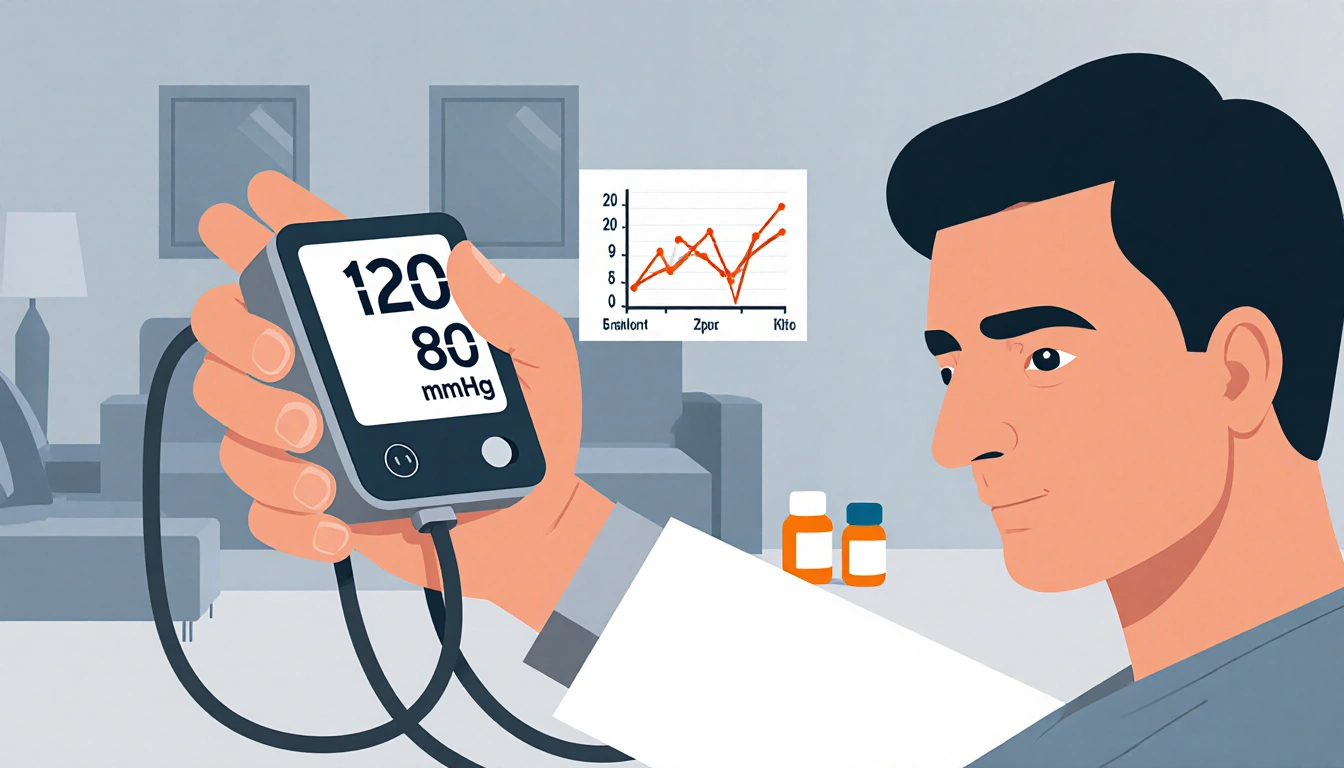
- Clinically validated and listed on validatebp.org
- Multiple user profiles for shared use
- Built-in EKG for atrial fibrillation detection
- Extra-large cuff for arms up to 23.6 inches
- Affordable pricing and sufficient memory
Top Monitor Options
| Model | Key Feature | Notes |
|---|---|---|
| Withings BPM Connect | Trendy upper-arm cuff, unlimited storage in app | Consistent, accurate, multiple user profiles |
| Omron Complete Wireless Upper Arm with EKG | First FDA-approved EKG + BP device | Measures pulse, atrial fibrillation, tachycardia, bradycardia |
| LifeSource Upper Arm with Extra-Large Cuff | Fits arms up to 23.6 inches | Consistent readings for larger arms |
| Omron 3 Series | Affordable, clinically validated | Stores up to 14 readings, shared use |
Wrist Monitors and Accuracy
Dr. Trent Orfanos warned:
> “The wrist cuffs tend to be inaccurate,” Orfanos said. “They tend to exaggerate the blood pressure,” he added.
The American Heart Association recommends avoiding finger or wrist monitors for reliable data.
Using Your Monitor
- Avoid caffeine, smoking, or exercise 30 minutes before measuring.
- Rest for 5 minutes, sit with feet flat, back straight, arm on a flat surface.
- Ensure cuff sits directly above the elbow bend and avoid clothing interference.
- Take two readings one minute apart and measure at the same time daily.
Symptoms of High and Low Blood Pressure
High blood pressure may show:
- Severe headaches
- Chest pain
- Dizziness
- Vision changes
Low blood pressure can cause:
- Confusion
- Dizziness
- Fainting
- Fatigue
Key Takeaways
- Cardiologists recommend specific FDA-approved models for accurate home monitoring.
- Wrist monitors are unreliable and should be avoided.
- Consistent use and proper technique are essential for detecting hypertension or hypotension early.
Accurate home monitoring empowers patients to catch dangerous blood pressure changes before they become emergencies.