


At a Glance
- LED bulbs can die in under a year.
- Overheating drivers and dirty sockets are common culprits.
- Quality control and dimmer compatibility also shorten life.
- Why it matters: Consumers may spend money on premature replacements.
LED lights are popular for their energy savings and color options, but many users report early failures. The problem isn’t a defect in the LED itself-it’s the surrounding electronics and installation conditions. Understanding these hidden factors can help extend bulb life.
What the Numbers Really Mean
LED lifespan claims are averages, not guarantees.
A label that says “up to 7 years” reflects a mean of about 7 years under ideal test conditions, but 95% of bulbs fall within two standard deviations of that mean.
Thomas Grable stated:
> “about 95% of the values fall within two standard deviations of the mean.”
Incandescent bulbs average only about 800 hours.
The box may use a generous definition of a “day” (e.g., 6-8 hours) that inflates the figure.
Heat and the Tiny Drivers
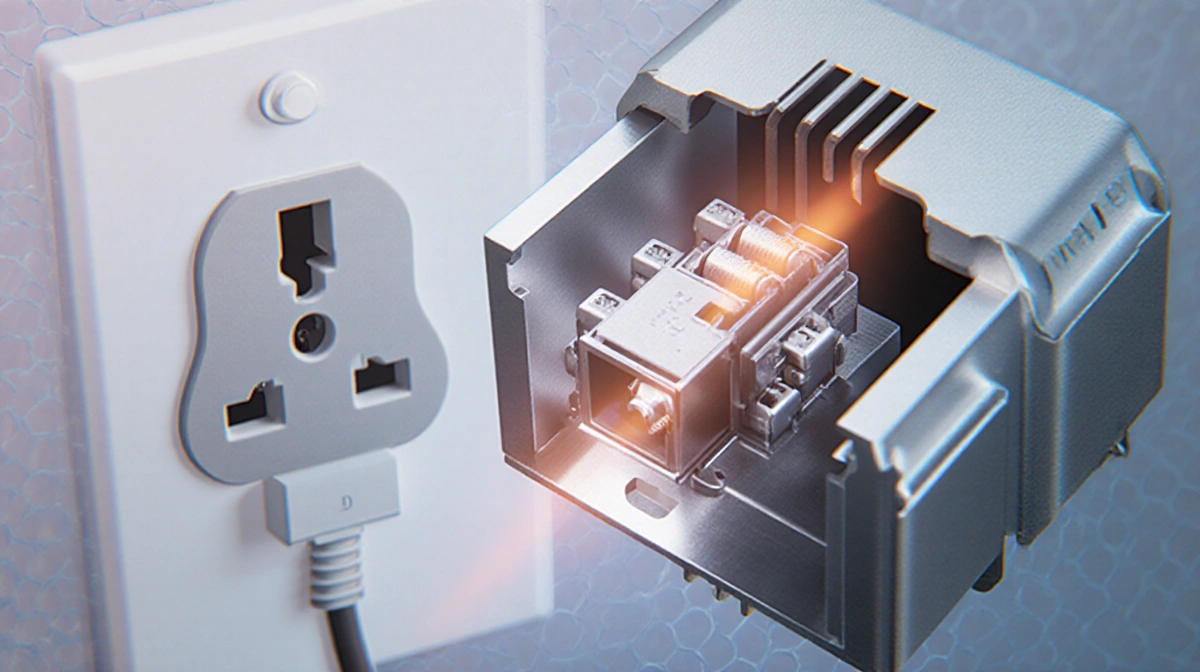
LEDs operate on DC power, requiring a driver to convert household AC to DC. The driver’s soldered contacts are fragile and heat-sensitive, and the Lighting Research Center notes that hot corners or deep sockets with poor ventilation can cause them to fail quickly. Bulbs with an aluminum heat-sink can better dissipate heat, but they still struggle in high-temperature environments.
Power Quality and Socket Health
Clean, steady power is essential for a driver’s longevity, as spikes or inconsistent voltage can overheat it. Old or dirty sockets create poor electrical contact, mirroring the effects of dirty power. Installing a bulb too loosely or too tightly can also strain the contacts.
Other Factors That Shorten Life
- High humidity speeds corrosion of electrical connections.
- Old dimmer switches designed for incandescent bulbs can mismanage low-wattage LEDs, leading to burnout.
- Manufacturing shortcuts-cheap drivers, sloppy assembly-are common in lower-priced models.
Choosing Reliable Brands
When quality control is strong, bulbs perform closer to their rated life. Popular brands that consistently pass tests include Philips, Wiz, Govee, Nanoleaf, and Cree. Smart bulbs with built-in dimming or app control can avoid the pitfalls of legacy dimmers.
Key Takeaways
- LED lifespan claims are averages; early failures are common.
- Overheating drivers, dirty sockets, and poor power quality accelerate failure.
- High humidity, old dimmers, and low-quality manufacturing cut life further.
- Stick to reputable brands and proper installation to get the most out of LEDs.
By addressing these often-overlooked factors, consumers can avoid costly replacements and enjoy the full benefits of LED lighting. Proper installation and brand choice are the simplest ways to extend bulb life.