
At a Glance
- Treb Heining has overseen Times Square’s 3,000-pound confetti drop for 33 years.
- More than 100 volunteers and 70 boxes of biodegradable confetti are used each New Year’s Eve.
- A post-midnight 2,000-pound red, white and blue drop will honor the 250th anniversary of the Declaration of Independence.
- Why it matters: It shows how a single vision turns a nightly ritual into a global spectacle.
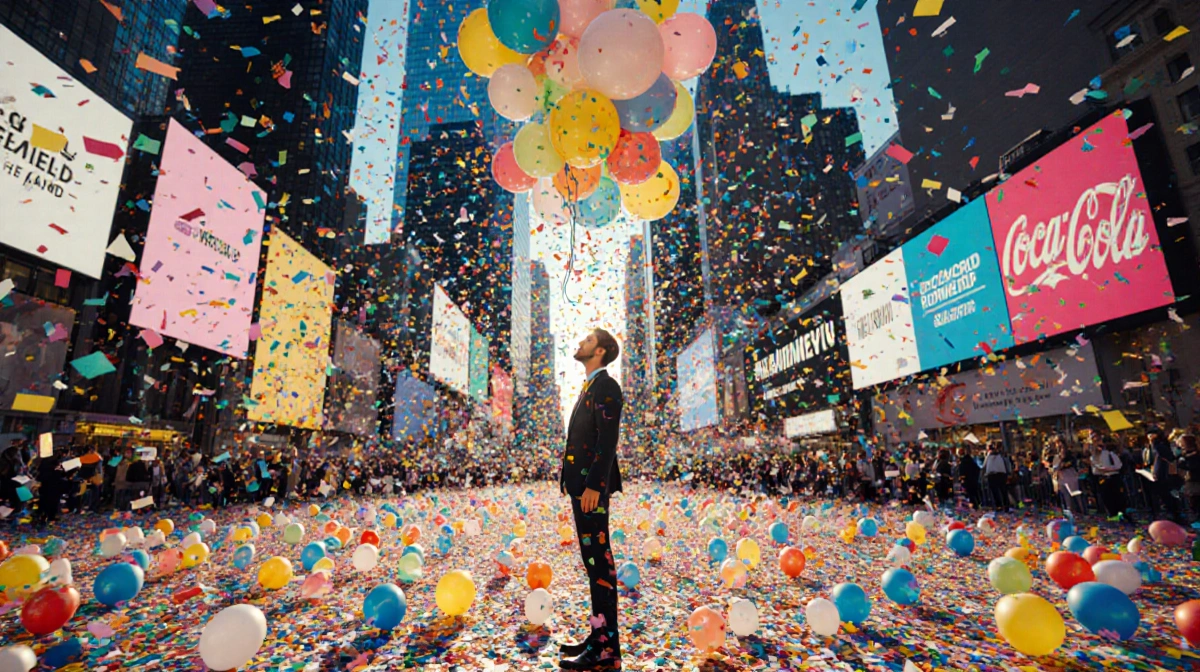
The New Year’s Eve celebration in Times Square, the “Crossroads of the World,” is famed for its ball drop and confetti blast. Treb Heining has guided the spectacle since 1992, turning a simple sheet of tissue into a 3,000-pound storm.
The 3,000-Pound Confetti Tradition
The confetti consists of 2-inch by 2-inch squares released by hand from building setbacks and windows. Heining says:
> “We want the confetti in the air by the time the ball is at the base and it’s a new year.”
The drop begins about 20 seconds before midnight and continues for roughly 30 seconds afterward. The crew, led by a chief at each location, communicates via radio.
- More than 100 volunteers coordinate the release.
- 70 boxes of confetti, each about 45 pounds, arrive on December 29.
- The confetti is 100% biodegradable and flame-retardant, made in Pennsylvania.
From Balloons to Confetti
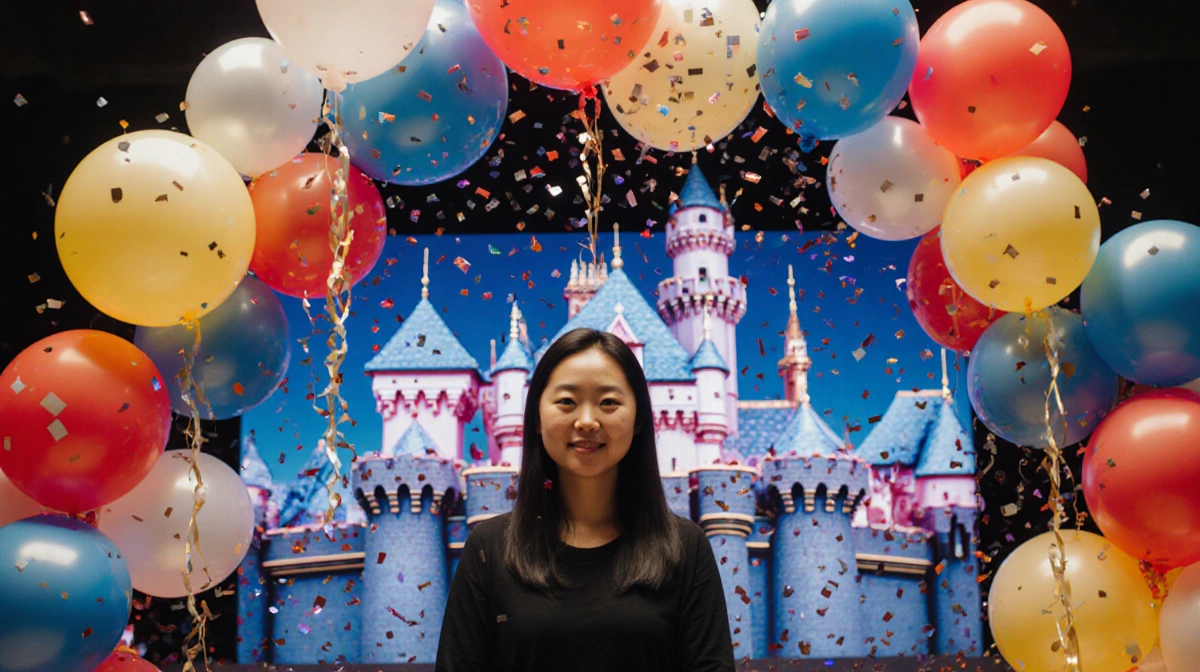
Heining’s background in balloons shaped his approach. He started selling Mickey Mouse balloons at Disneyland in 1969, founded Balloon Art by Treb in 1979, and created the Glasshouse Balloon in the 1990s. His company decorated major events, including the 1984 Olympic opening ceremony and presidential conventions. In the 1990s, he was asked by the Times Square Business Improvement District to add confetti to the ball drop, launching the tradition in 1992.
The Drop Process
Volunteers apply through the official website and are selected in February, with final notification in July. Each engineer receives credentials on delivery day and returns at 7 p.m. for orientation. The method involves a two-handed scoop and a hard throw, described by Heining as a “physically violent act.” The crew splits into groups at seven sites, waits for the cue, and releases confetti in a coordinated wave.
> “I do several radio checks in the 11 o’clock hour.”
The first drop occurs at 10 p.m. for a sponsor, followed by a 1 p.m. release as the crowd’s excitement rises. When John Lennon’s “Imagine” starts, Heining gives the final standby.
Special Moments and New Traditions
- The 1999-2000 millennium saw country-specific confetti colors.
- Last year’s green drop honored friend Tommy DeLorenzo, who died in October 2024.
- This year’s post-midnight drop of 2,000 pounds of red, white, and blue will celebrate the Declaration of Independence’s 250th anniversary.
- Heining says a new element will debut, “never done before,” while the core routine remains unchanged.
Key Takeaways
- Treb Heining has led Times Square’s confetti drop for 33 years.
- Over 100 volunteers and 70 boxes of biodegradable confetti create a 3,000-pound spectacle.
- A 2,000-pound post-midnight drop will honor the nation’s 250th anniversary.
The tradition continues, with Heining’s voice echoing over the radio as he says, “Go confetti! Go confetti! Go confetti!” before the world watches the ball descend.