

At a Glance
- Texas researchers develop AI to spot road debris within minutes.
- 72% of debris reports come from WAZE, arriving 16 minutes earlier than other methods.
- Prototype expected to launch next year.
- Why it matters: Faster detection can prevent crashes and traffic backups on busy highways.
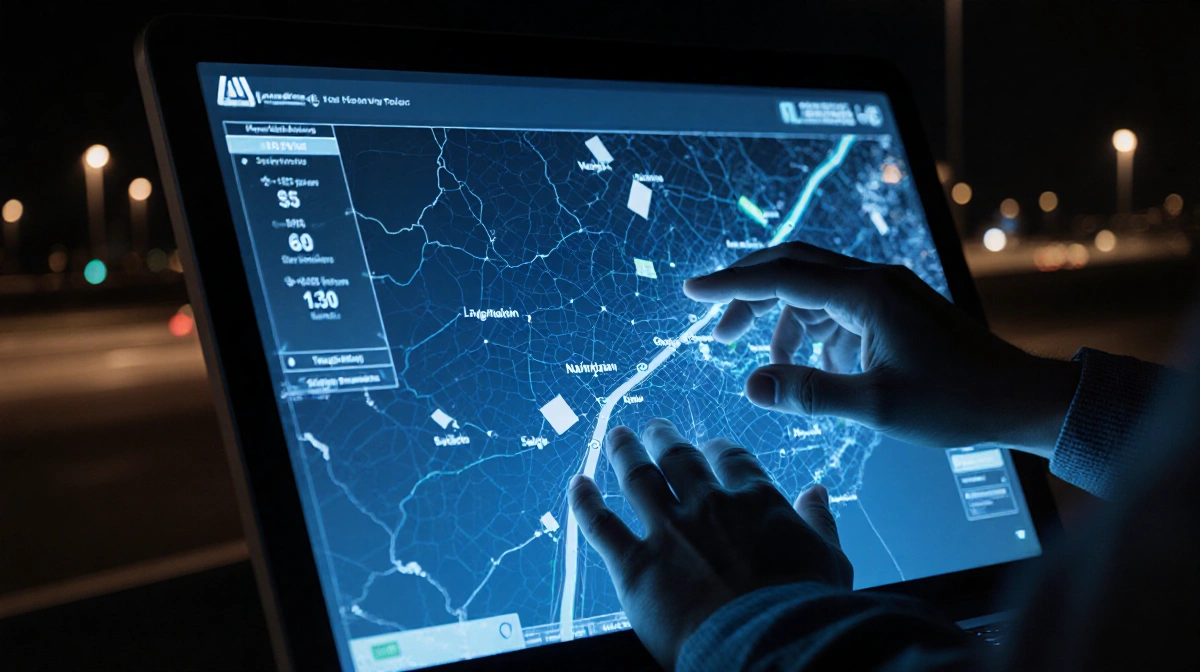
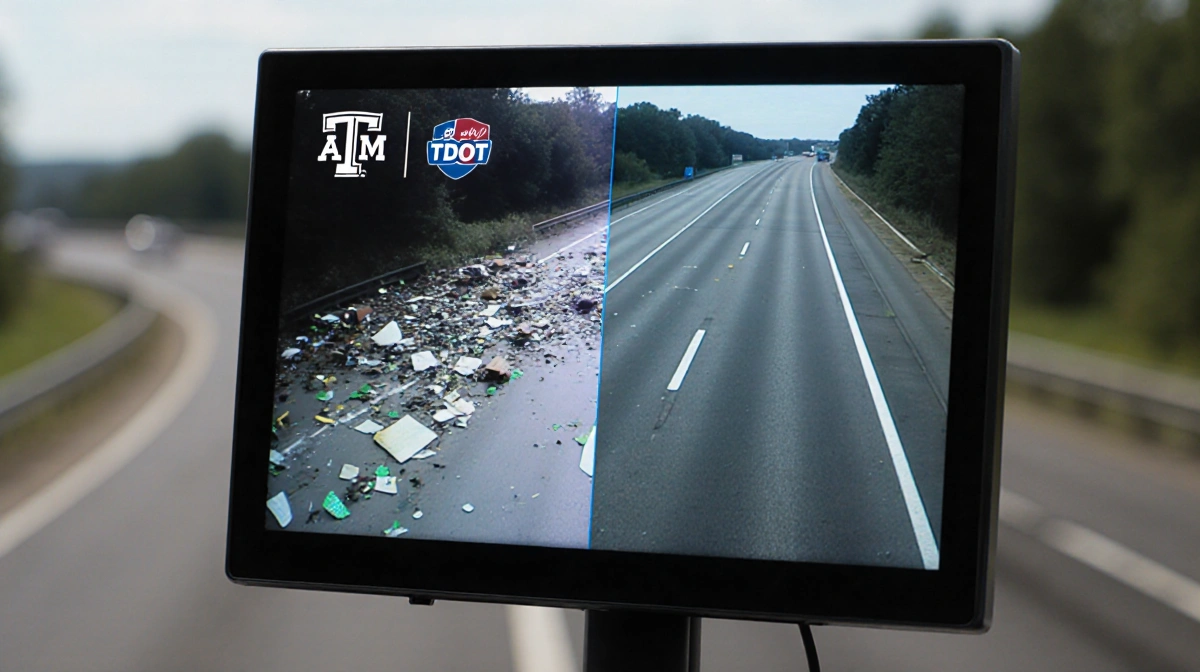
University of North Texas professors Yan Huang and Heng Fan have teamed with the Texas Department of Transportation to build an artificial-intelligence system that scans crowd-sourced reports and camera feeds for road debris.
Partnership and AI Development
The project, launched after a November press release, aims to give TxDOT real-time alerts so crews can respond faster.
Yan Huang said:
> “We’ve seen that roughly 72% of debris reports come from WAZE, and those reports tend to be received about 16 minutes earlier than traditional methods,”
The system will pull data from multiple sources:
- WAZE app reports
- Other crowd-sourced platforms
- Connected vehicle data
- Dash-camera footage
- TxDOT closed-circuit cameras
Privacy and Collaboration
Heng Fan emphasized that the system will not store personal data such as faces or license plates.
“So, that means that always the AI system will be safe to detect the debris only,” Fan said.
Texas A&M Transportation Institute has also expressed interest in partnering on the project.
Timeline and Mission
The team plans to roll out a prototype next year, with the goal of saving lives by reducing the minutes it takes to clear debris.
“On busy highways, minutes really save lives. So, this is the goal of our project,” Huang said.
Key Takeaways
- AI will detect road debris in real time using crowd-sourced and camera data.
- 72% of reports come from WAZE, providing 16-minute lead time.
- Prototype launch scheduled for next year to improve response times and safety.
The partnership between academia and TxDOT represents a promising step toward safer highways through faster debris detection.