

At a Glance
- Nightly to-do lists can reduce sleep latency.
- A sleep doctor lists three core sleep factors and hygiene tips.
- Choosing the right pillow can improve sleep quality.
- Why it matters: Simple habits can help you fall asleep faster and sleep better.
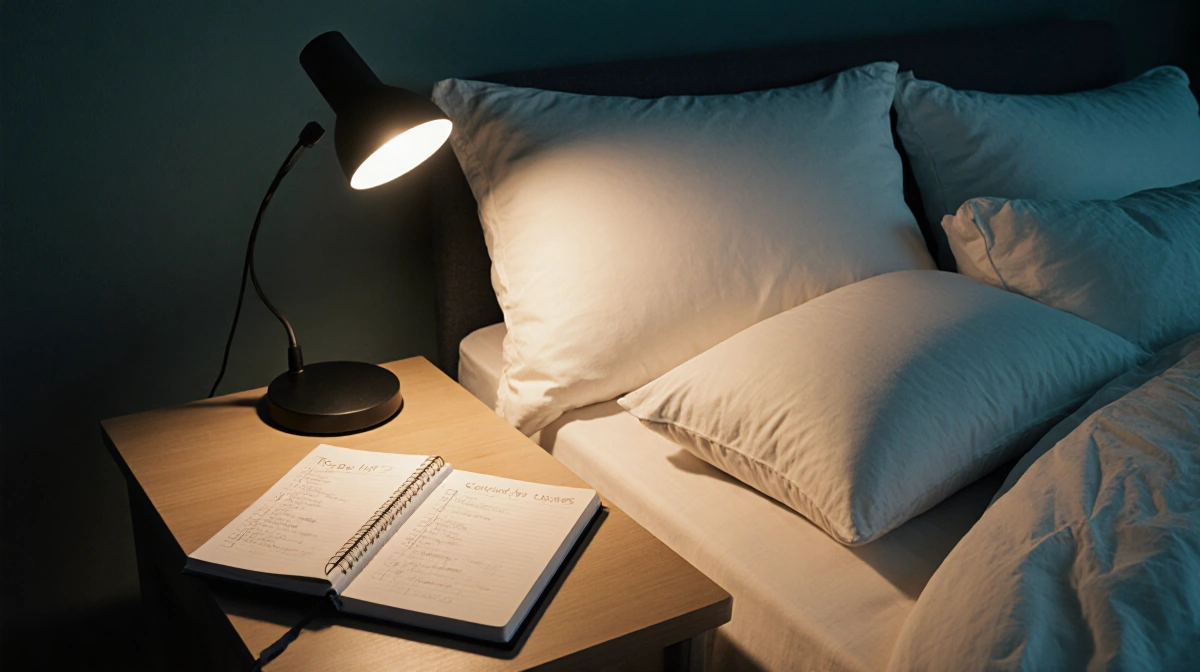
If you’re one of the millions who struggle to fall asleep, a simple nightly habit may be the key. A study from Baylor and Emory universities found that jotting a to-do list before bed speeds up sleep onset, while a sleep medicine chair offers three pillars of good sleep and practical hygiene tips.
The To-Do List Trick
The research compared two bedtime writing practices. Participants who listed tasks for the next day fell asleep significantly faster than those who recounted completed activities.
| Writing Activity | Effect on Sleep Onset |
|---|---|
| To-do list | Faster sleep onset |
| Completed tasks | No significant effect |
Sleep Hygiene Tips
Dr. Saroja Sripathi
> “Good sleep is a matter of three factors: the quality of sleep you get, how long you sleep and the timing of your sleep.”

- Stay away from electronic screens for at least half an hour before bed.
- Avoid caffeine and alcohol before bed.
- Create a consistent routine that signals to your body it’s time to sleep.
- Keep your bed for sleep and sex only.
Choosing the Right Pillow
The pillow you sleep with matters. GhostPillow offers cooling tech for back or stomach sleepers and keeps the neck aligned.
Key Takeaways
- Nightly to-do lists cut sleep latency.
- Sleep hygiene includes screen, caffeine, routine, and bed use.
- A supportive pillow like GhostPillow can improve sleep quality.
By turning your mind onto paper, following simple hygiene habits, and selecting a supportive pillow, you can make falling asleep a smoother part of your night.