
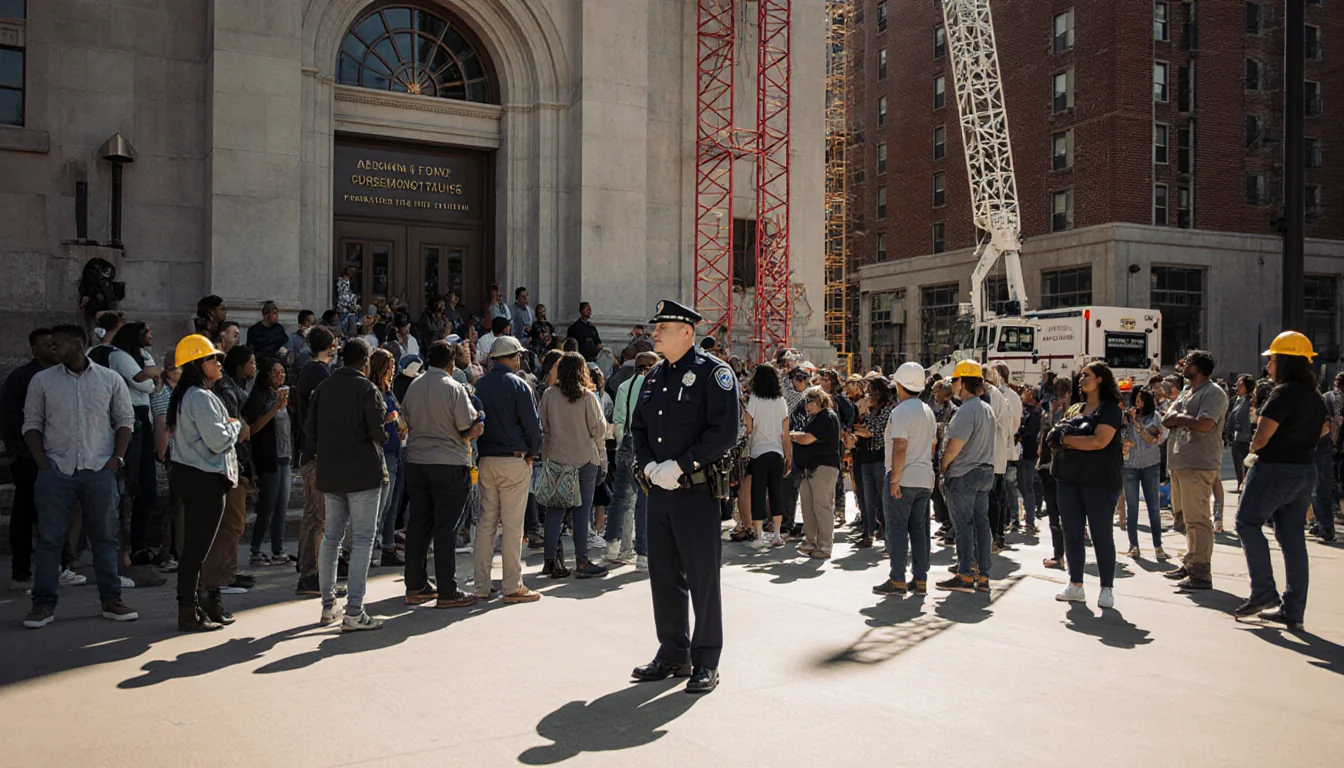
Dallas residents are watching closely as the city pushes forward with a $185 million proposal to build a new police academy on the campus of the University of North Texas at Dallas.
The Project in Context
For Manuel Calloway, the Singing Hills neighborhood has been home for the better part of 30 years. He points to the library, the gym, and the police station that already sit in the neighborhood, saying, “We’ve got the library, the gym, police station is in the neighborhood, so that helps deter crime as well.” These amenities, he argues, set the stage for a new training center that would bring even more visibility to the area.
The proposed Law Enforcement Training Center at UNT‑Dallas is intended to be a state‑of‑the‑art facility. It would serve as a police academy for new recruits and also offer continuing education for commissioned officers. The city’s plan positions the academy as a major hub for law‑enforcement training in the region.
Design and Capacity
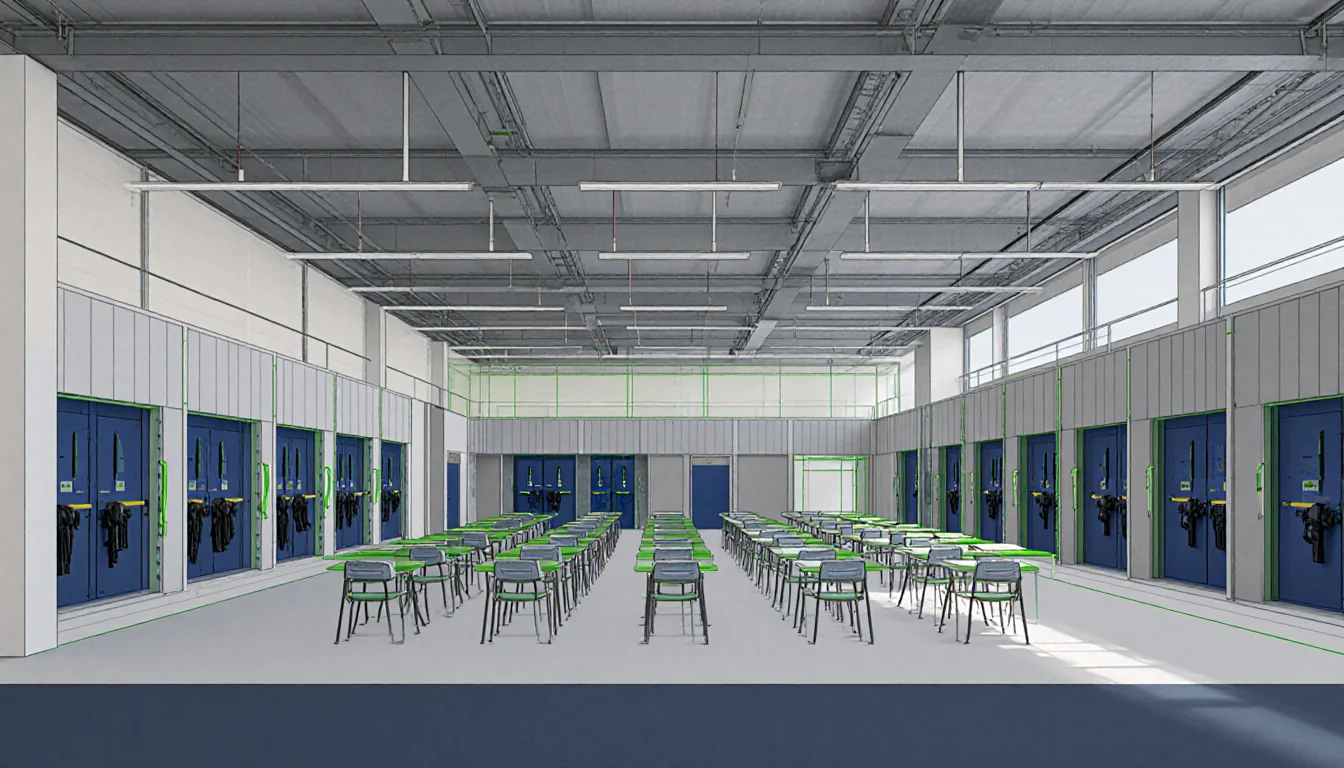
At a briefing on Monday, city staff and the Dallas Police Department presented updated schematics and renderings. The latest plan reveals ample space and a layout that would allow the department to increase recruiting classes. This expansion is aimed at helping meet voter‑mandated hiring goals for the force.
The design includes modern classrooms, simulation labs, and a large training yard. The facility would also feature administrative offices and a visitor center. These elements are intended to support both day‑to‑day training and public outreach.
Funding Status
City documents show that $96.5 million of the proposed $185 million project has already been committed. Council members expressed concern about the remaining $88.5 million that remains unfunded. The funding gap is a key issue as the council moves forward.
Council member Cara Mendelsohn told city staff that the $50 million from the 2024 bond election was likely not asking enough. “What we’ve asked of our fundraisers is a huge task,” Mendelsohn said. “It’s basically asking them to raise double what we put in as bond.”
The council’s Public Safety Committee reviewed the updated plan and weighed the financial implications. They highlighted the need for additional private and public funding to cover the shortfall.
Timeline and Construction
Those working to raise funds for the project say there is enough to break ground in November 2026, after final design documents are completed next August. The council’s schedule aligns with the city’s broader capital improvement plan.
If the funding is secured, construction would begin in late 2026. The project would be phased to minimize disruption to the surrounding community. The timeline also allows for environmental reviews and permitting processes.
Community Perspectives
Calloway, living closest to the project, hopes that Singing Hills residents will realize the benefits. “With more people coming out of the academy, it forces them to have to drive through here on their way home – and different things like that – so I’m for it.” He believes the academy’s presence will increase foot traffic and support local businesses.
His neighbor, a few doors down, Camelia Maxwell echoed a similar sentiment. “If it helps to get more police on the streets, so that the response time is a lot quicker, that would be great,” Maxwell said. She emphasizes the safety aspect of a larger police presence.
Some residents expressed concerns about potential traffic congestion and noise during construction. The city has pledged to conduct traffic studies and engage the community throughout the process.
Political Dynamics
The council’s Public Safety Committee’s approval is a significant step toward the project’s approval. However, the funding shortfall remains a hurdle that could stall the initiative.
Mayor and city council leaders have reiterated their commitment to improving public safety infrastructure. They argue that a modern training center is essential for preparing officers for contemporary challenges.
Opponents of the project have called for a thorough cost‑benefit analysis. They question whether the investment will yield measurable improvements in crime rates or response times.
Economic Implications
Supporters argue that the academy will create jobs during construction and operation. The facility’s presence could also attract businesses and educational programs to the area.
The project’s cost is split between municipal bonds, private fundraising, and potential state grants. The council’s plan includes a phased approach to manage cash flow and reduce risk.
The city’s financial team is exploring additional revenue streams, such as naming rights and sponsorships, to help cover the unfunded portion of the project.
Legal and Regulatory Considerations
The academy’s construction will require compliance with federal, state, and local building codes. The city has begun the permitting process and will coordinate with the Texas Department of Public Safety.
Environmental assessments are underway to address potential impacts on local waterways and wildlife. The council has requested that the academy’s design incorporate green building practices.
The project’s legal framework includes agreements with the University of North Texas at Dallas for land use and shared facilities. These agreements are being finalized as part of the funding negotiations.
Stakeholder Engagement
The city has scheduled a series of town‑hall meetings to gather input from residents, business owners, and community groups. These meetings will focus on traffic, noise, and public safety concerns.
The Dallas Police Department will collaborate with the academy’s design team to ensure training needs are met. They will also provide input on curriculum and facility layout.
University officials have expressed support for the partnership, noting that the academy could enhance the campus’s reputation and attract students interested in law‑enforcement careers.
Key Takeaways
- The UNT‑Dallas police academy proposal totals $185 million, with $96.5 million already committed.
- A $88.5 million funding gap remains, prompting calls for additional fundraising and bond allocations.
- Residents like Manuel Calloway and Camelia Maxwell support the project for its potential safety and economic benefits.
- Construction is slated to begin in November 2026, contingent on securing the remaining funds.
Closing Thoughts
The Dallas council’s push for a new police academy reflects a broader effort to modernize law‑enforcement training and enhance public safety. While the funding gap presents a challenge, community support and a clear timeline offer a path forward. As the project moves into the next phase, residents and stakeholders will continue to weigh the benefits against the costs, shaping the future of safety and development in the Singing Hills neighborhood.