


Four men were taken into custody in Lucerne Valley, a desert town east of Los Angeles, after federal investigators uncovered evidence that they were preparing to test improvised explosive devices for a planned New Year’s Eve bombing campaign across Southern California.
Arrests and Initial Investigation
Federal authorities announced the arrests on Monday, citing a federal criminal complaint filed Saturday. The suspects were apprehended last week in Lucerne Valley, where investigators found a campsite stocked with bomb‑making materials. The complaint states that the men “all brought bomb‑making components to the campsite, including various sizes of PVC pipes, suspected potassium nitrate, charcoal, charcoal powder, sulfur powder, and material to be used as fuses, among others.”
The Group Behind the Plot
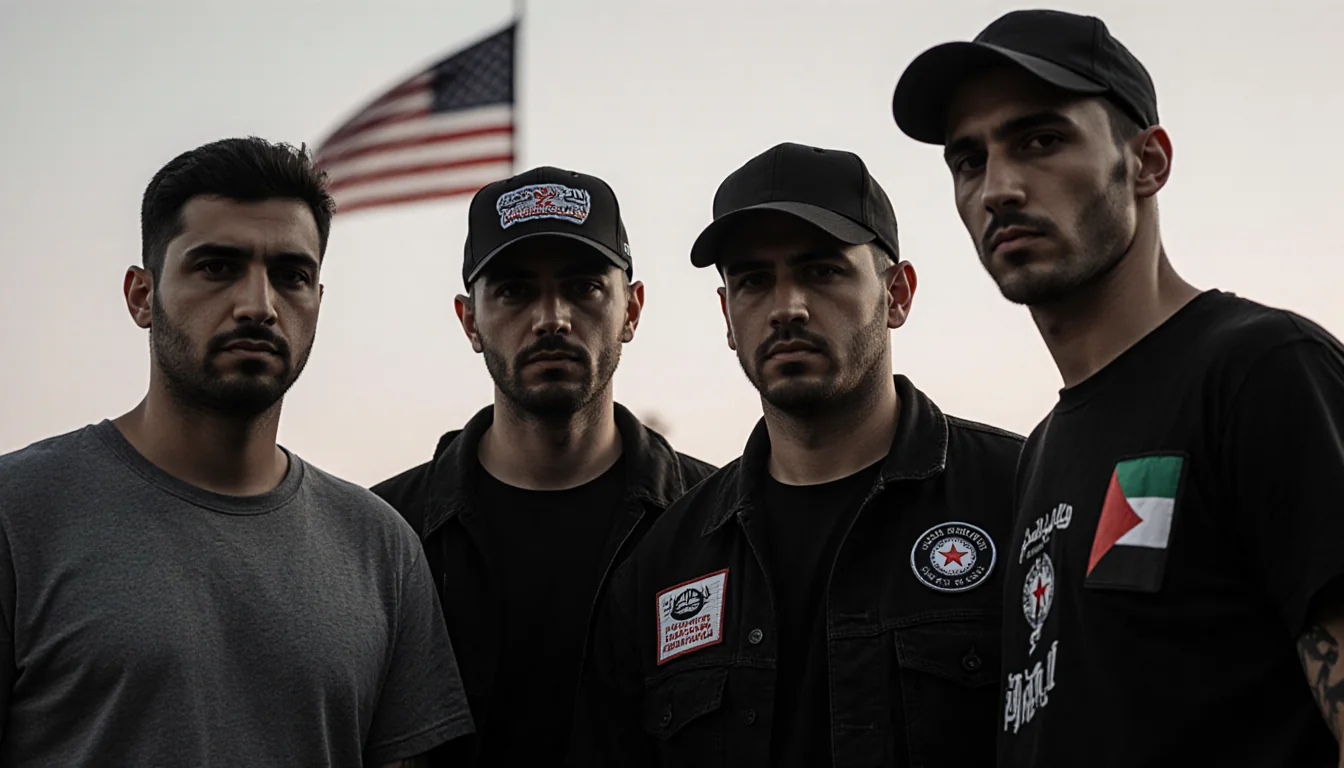
The four men are members of an offshoot of a pro‑Palestinian group dubbed the Turtle Island Liberation Front, the complaint says. During a news conference Monday, First Assistant U.S. Attorney Bill Essayli described the group as a “radical anti‑government” group. Essayli added that the suspects “are all from the Los Angeles area.”
Charges and Legal Consequences
Court documents show that each suspect faces charges of conspiracy and possession of a destructive device. These charges carry significant penalties, reflecting the seriousness of the alleged plot.
Planned Bombings on New Year’s Eve
According to the complaint, the group was allegedly plotting to set off a series of bombings at multiple targets in California beginning on New Year’s Eve. The plan also included attacks on Immigration and Customs Enforcement agents and vehicles, as Attorney General Pam Bondi said on social media.
Detailed Blueprint for the Attacks
Essayli said one of the suspects created a detailed plan to bomb five or more locations across Southern California on New Year’s Eve. He described the plan as including “step‑by‑step instructions to build IEDs … and listed multiple targets across Orange County and Los Angeles.”
Evidence on the Desert Campsite
Evidence photos included in the court documents show a desert campsite with what investigators said were bomb‑making materials strewn across plastic folding tables. The visual documentation supports the allegations that the men were actively preparing explosive devices.
Bomb‑Making Components
The complaint lists the following materials found at the campsite:
- Various sizes of PVC pipes
- Suspected potassium nitrate
- Charcoal and charcoal powder
- Sulfur powder
- Materials intended for use as fuses
These components are commonly used in improvised explosive devices.
Arrest Location Near Twentynine Palms
Officials said the four suspects were arrested near the desert city of Twentynine Palms, California, home to a Marine Corps base. The proximity of the arrests to a military installation underscores the broader security concerns.
Summary of the Plan
The group’s alleged plan involved:
- Targeting multiple sites across Southern California on New Year’s Eve
- Using IEDs constructed from readily available materials
- Attacking Immigration and Customs Enforcement personnel and vehicles
The plot’s scope reflects a coordinated effort to inflict widespread harm during a high‑visibility holiday.
Key Takeaways
- Four men were arrested in Lucerne Valley for planning New Year’s Eve bombings.
- They belong to an offshoot of the Turtle Island Liberation Front.
- Charges include conspiracy and possession of a destructive device.
These arrests highlight federal efforts to prevent domestic terrorist attacks in the region.
Closing Remarks
Federal authorities continue to investigate the extent of the plot and any additional associates. The arrests serve as a reminder of the ongoing threat posed by domestic extremist groups planning coordinated attacks.