

> At a Glance
> – WIRED tested 9 camera feeders for a year in rain, snow and heat with persistent squirrels
> – Netvue Birdfy Plastic tops the list at $140 for reliability, wide 155° view and optional lifetime AI for $20
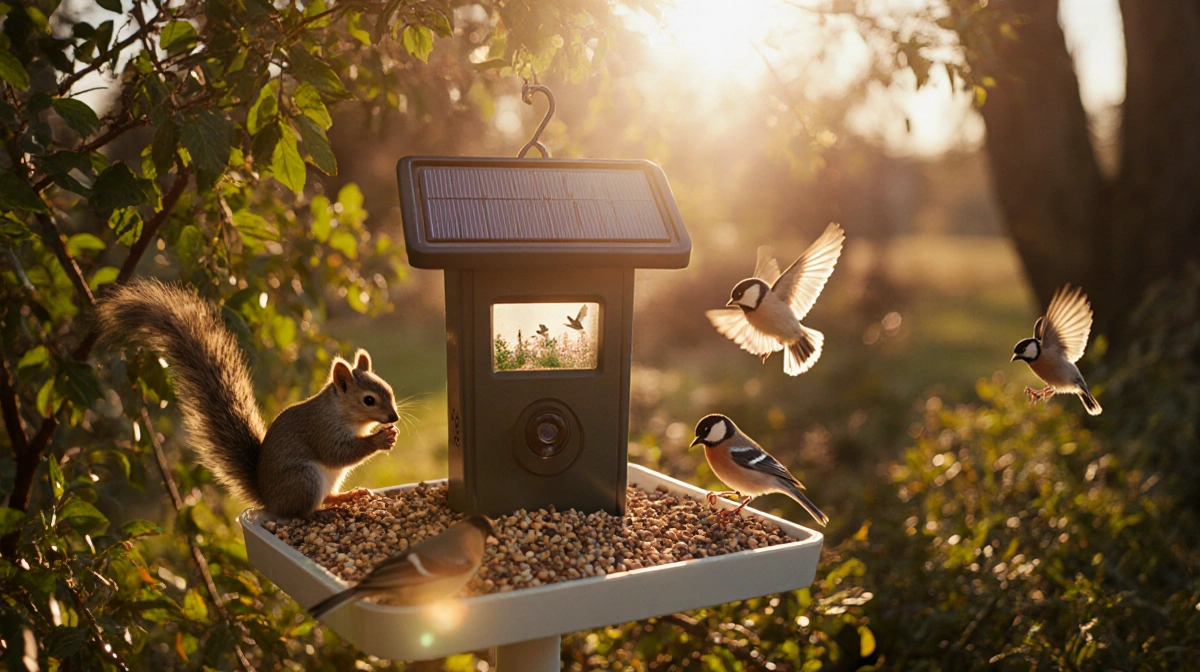
> – Premium pick Kiwibit Beako adds 4K video, tool-free cleaning and built-in solar roof for $179
> – Why it matters: These are the first long-term, real-world results showing which connected feeders survive weather, pests and hidden subscription costs
After a year of refilling, scrubbing and chasing squirrels, WIRED’s long-term trial shows smart feeders have quietly matured. Cameras now spot species with decent accuracy, apps no longer demand monthly fees to function and a few models shrug off both storms and chewing rodents.
How the Test Worked
Feeders were mounted in the same Pacific-North-west yard, filled weekly and blasted by three seasons of wind, sideways rain and summer heat. Each camera’s clips were compared against Cornell Lab’s All About Birds database plus Google Lens to grade AI performance on 50+ species.
Best Overall: Netvue Birdfy Plastic
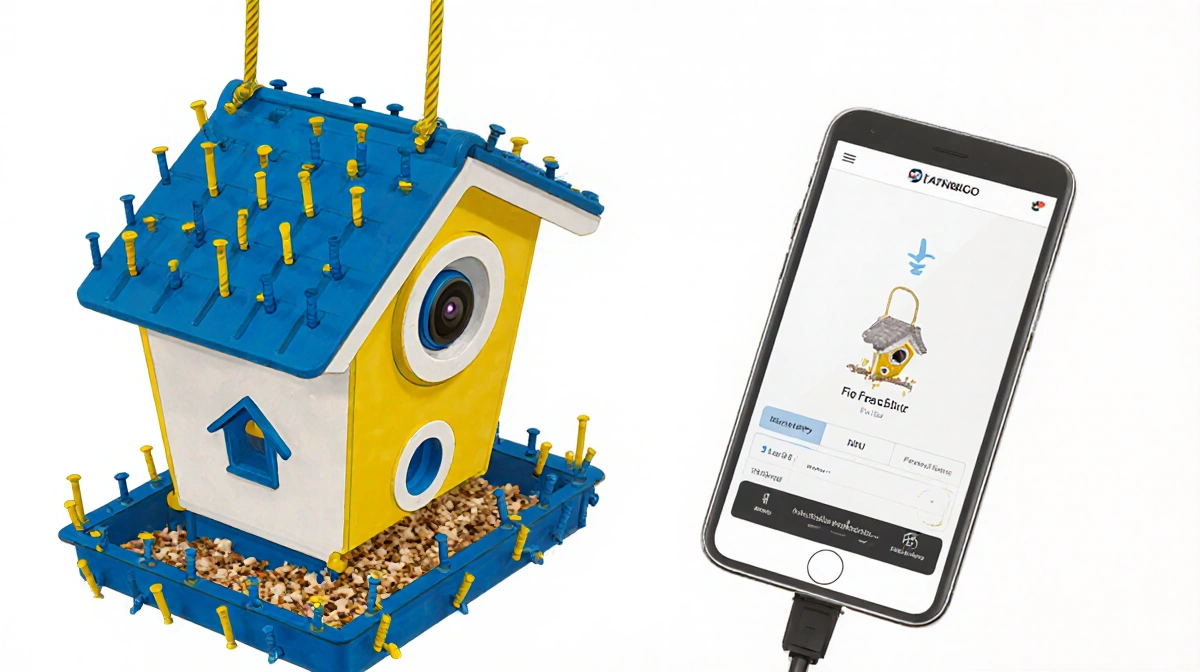
The cheerful blue or yellow house nails the basics. Setup takes 10 minutes, the app is intuitive and the 50 oz hopper flips open without tools. Video is only 1080p, but the 155° lens captures tail-to-beak shots most rivals miss.
- Price: $140 (frequently on sale for $120)
- AI cost: Free basic ID; lifetime upgrade $20
- Power: USB-C, optional $30 solar panel
- Durability: IP65 plastic, two-year warranty
Best Upgrade: Kiwibit Beako (Solar Roof)
For sharper images, Beako records 8 MP stills and 4K video. Its 1.5 L bin lifts out like a drawer for mess-free refills and every plastic panel pops off for dishwasher cleaning. The new integrated solar roof kept the camera alive through six straight weeks of grey skies.
- Price: $179 (rarely discounted)
- Subscription: Optional $47/year unlocks 3-min clips and 60-day cloud
- Limitation: 2.4 GHz Wi-Fi only
Best Connectivity: Camojojo Hibird Pro
Hibird Pro is the rare feeder that joins 2.4 GHz and 5 GHz networks, handy for crowded home routers. 4K clips save to a bundled 128 GB SD card, so cloud storage caps don’t matter. A spring-steel pole clamp keeps the 5 lb unit upright even when the 1.5 L hopper is full.
| Feature | Hibird Pro | Birdfy Plastic |
|---|---|---|
| Video | 4K | 1080p |
| Wi-Fi | Dual-band | 2.4 GHz only |
| Storage | 128 GB card + cloud | Cloud only |
| Weight | 5 lb filled | 3 lb filled |
Hummingbird Pick: Birdbuddy Pro Smart
Birdbuddy’s nectar model hides a 2K camera inside a 1.75 cup leak-proof base that unscrews for quick washing. The app nags you to sanitize flowers and even lets you slap virtual Santa hats on visiting hummers. Downsides: fast wings sometimes blur past the motion sensor, so not every sip is caught.
What About Squirrels?
Only the TT Nature metal feeder uses a spring-loaded perch that physically slams a gate when anything heavier than a songbird lands. Squirrels eventually give up; the trade-off is that cardinals and jays also get the cold shoulder.
Key subscription traps to know:
- Birdfy: AI free tier works; $5/month for full ID history
- Beako: Base features free; cloud archive needs Plus plan
- Hibird Pro: Search and smart alerts now require $45/year
- Birdbuddy: Premium at $70/year unlocks higher bit-rate video
Key Takeaways
- Netvue Birdfy Plastic delivers the best mix of price, durability and no-fuss app without mandatory fees
- Kiwibit Beako justifies its higher cost with 4K footage and the easiest cleaning routine tested
- Camojojo Hibird Pro is the only dual-band option and includes generous local storage
- Expect to spend $140-$180 for a reliable feeder; solar roofs beat detachable panels for year-round charging
- AI bird ID has improved but still trips on regional variations-double-check rare sightings
Bottom line: after 365 days of seed, sweat and squirrel warfare, smart feeders have evolved from quirky toys into genuinely helpful backyard tools-just pick the model that matches your tolerance for subscriptions and your need for video quality.