
> At a Glance
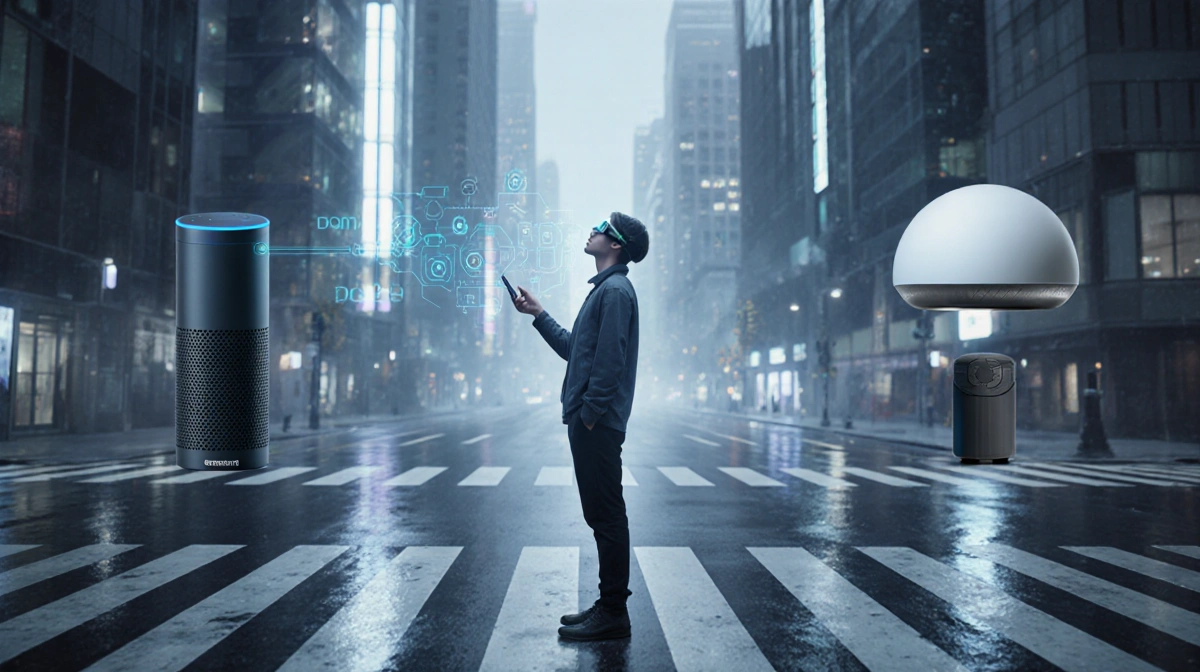
> – Amazon, Meta and OpenAI are building AI “operating systems” that book travel, order food and restock goods without opening apps
> – DoorDash, Uber and others risk losing ad revenue and upsell opportunities when users bypass their interfaces
> – Startups like Rabbit and Perplexity already face resistance from platforms refusing API access or threatening legal action
> – Why it matters: Your next device may hide the apps you rely on, reshaping how tech firms make money and who controls your data
Silicon Valley’s biggest names are racing to replace today’s tap-and-swipe habits with AI agents that act for you. If the bet pays off, the business models behind Uber rides, DoorDash meals and Amazon carts could unravel by 2026.
The Coming AI-Controlled Interface
The vision is simple: ask a pair of glasses or a speaker for what you want, and an AI agent handles the rest-no icons, no checkout pages, no loyalty banners. Brendan Iribe’s new startup Sesame, backed by investor Anjney Midha, is already prototyping hardware around this idea.
Midha warns that any company without “deep control over the supply of its product” may struggle when an algorithm-not the user-chooses the vendor.
Platform Pushback Has Started
Early signs show incumbents guarding their turf:
- Rabbit R1 demoed at CES 2024; Uber declined API access, forcing work-arounds
- Perplexity’s shopping bot was sued by Amazon in November for site scraping
- Apple-style 30 percent platform fees look fragile if no in-app purchase occurs
Rabbit CEO Jesse Lyu on the cold shoulder:
> “You have to understand why they’re not super happy: They sell fucking advertisements.”
Who’s Cooperating-For Now
Some apps are testing lightweight integrations inside larger AI ecosystems:
| Partner | Inside Which AI | Function |
|---|---|---|
| DoorDash, Instacart, Expedia | ChatGPT | Early plug-ins |
| Ticketmaster, Uber, OpenTable | Alexa+ | Voice-based booking |
These deals are cautious experiments, not open-door policies. The cooperating services retain user relationships only while the AI keeps sending traffic their way.
Key Takeaways
- AI agents aim to hide apps, cutting into ad and upsell revenue that firms like Uber and DoorDash rely on
- Startups already meet resistance when scraping or requesting access, showing platforms will defend data control
- 2026 is the projected lift-off for consumer devices built around these agent-first operating systems
The next wave of personal tech could make individual apps invisible-and the companies that own them nervous.