

> At a Glance
> – Jonathan Gerlach, 34, faces multiple felony counts after detectives found 108 human skeletons in his Ephrata home and storage locker
> – The remains were taken from 26 mausoleums and underground vaults at Mount Moriah Cemetery between November 2025 and January 6, 2026
> – Some victims are infants and children; many skeletons are centuries old and remain unidentified
> – Why it matters: Families now fear their loved ones’ graves were among those desecrated, and police are tracing possible online sales of human remains
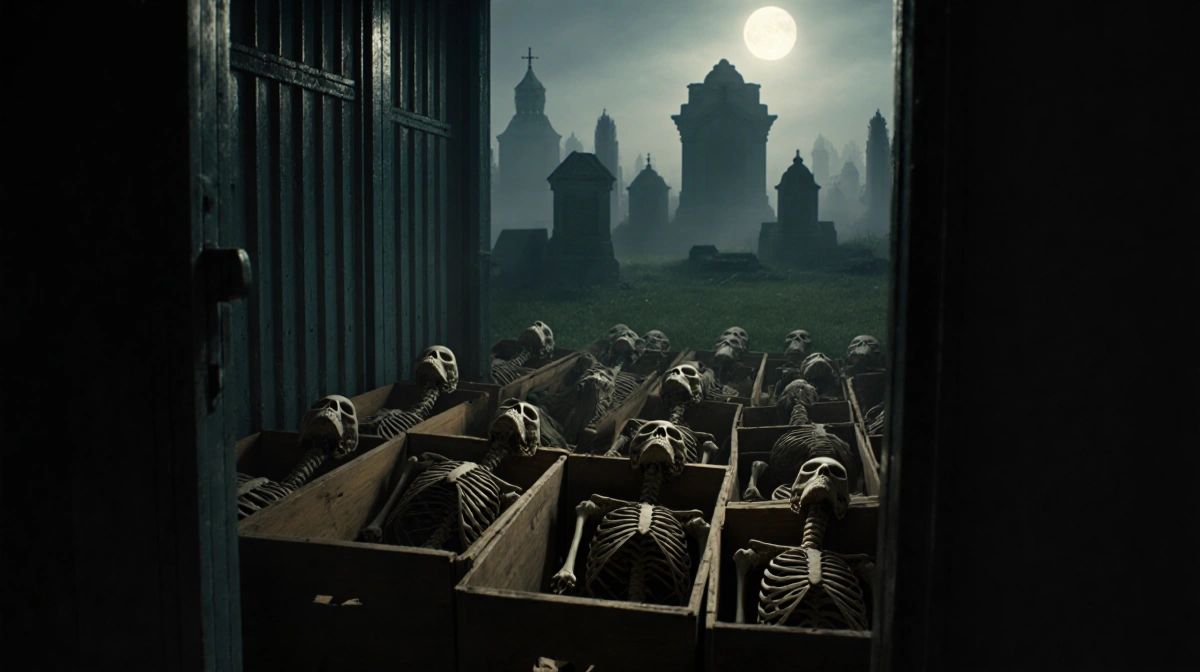
A cemetery burglary spree that spanned two months ended with the discovery of more than 100 stolen skeletons inside a Pennsylvania man’s house, authorities said.
Grisly Discovery
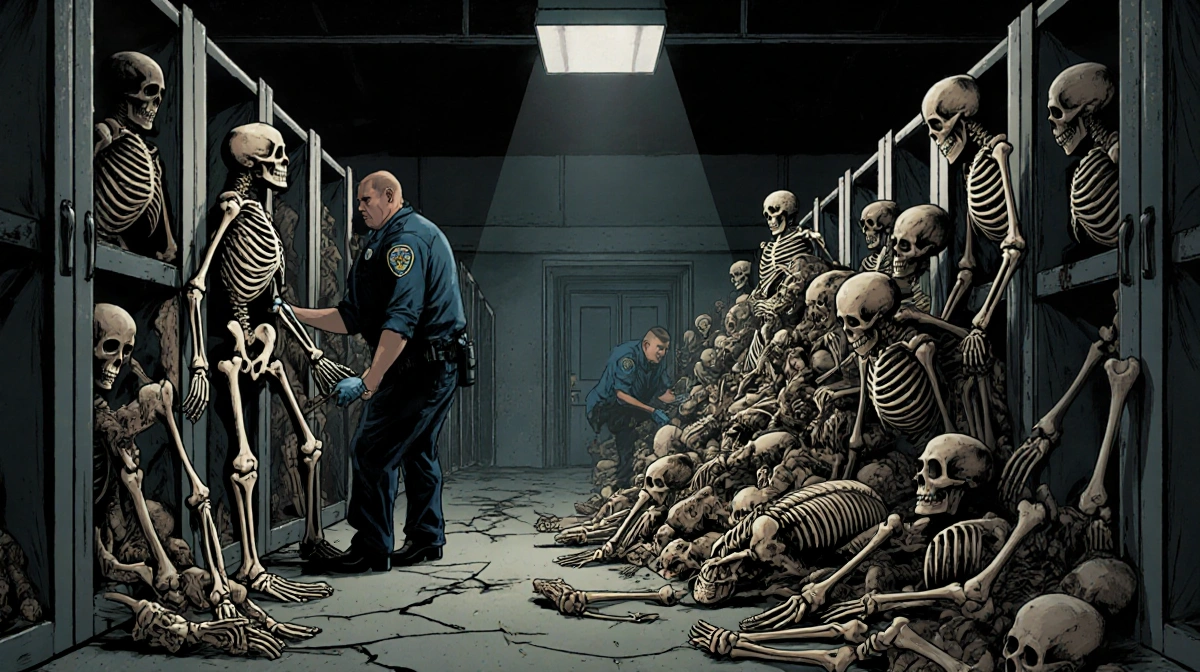
Delaware County investigators executing a search warrant at Jonathan Gerlach’s Ephrata residence recovered 100 full human skeletons and another eight remains from a nearby storage unit. The find followed Gerlach’s arrest on January 6 after officers allegedly caught him in the act of desecrating a monument at Mount Moriah Cemetery.
District Attorney Tanner Rouse described the scene:
> “Detectives walked into a horror movie come to life… quite literally – none of them have ever seen anything like this before.”
Scope of the Crime
The cemetery itself spans Yeadon Borough and Philadelphia, giving the suspect access to dozens of above-ground crypts and subterranean tombs.
Breakdown of damage:
- 26 mausoleums or burial sites burglarized
- Some skeletons hundreds of years old
- Infants and children among the remains
- Many victims still unidentified
Investigation Expands
Authorities are now probing Gerlach’s online community, including social-media groups and Facebook pages, to see whether remains were bought, sold, or traded. A similar case in Luzerne County may be connected, according to law-enforcement sources.
Gerlach remains in Delaware County Prison on $1 million bail; court records list no attorney for him yet.
Key Takeaways
- 108 skeletons recovered, making this one of the largest U.S. corpse-theft cases on record
- Families anxiously wait to learn if their relatives’ graves were disturbed
- Online trafficking of human remains is a central line of inquiry
- Historic burials have been irreversibly damaged, complicating identification efforts
With forensic anthropologists still cataloguing the remains, prosecutors expect additional charges as the investigation unfolds.