

> At a Glance
> – Federal officer shot and killed Renee Nicole Good, 37, on January 7, 2026, in Minneapolis
> – Video contradicts DHS claim that officers were in danger from her vehicle
> – Demonstrations spread nationwide amid anger over Trump immigration crackdown
> – Why it matters: Protesters face heightened surveillance and arrest risk, requiring strict digital precautions
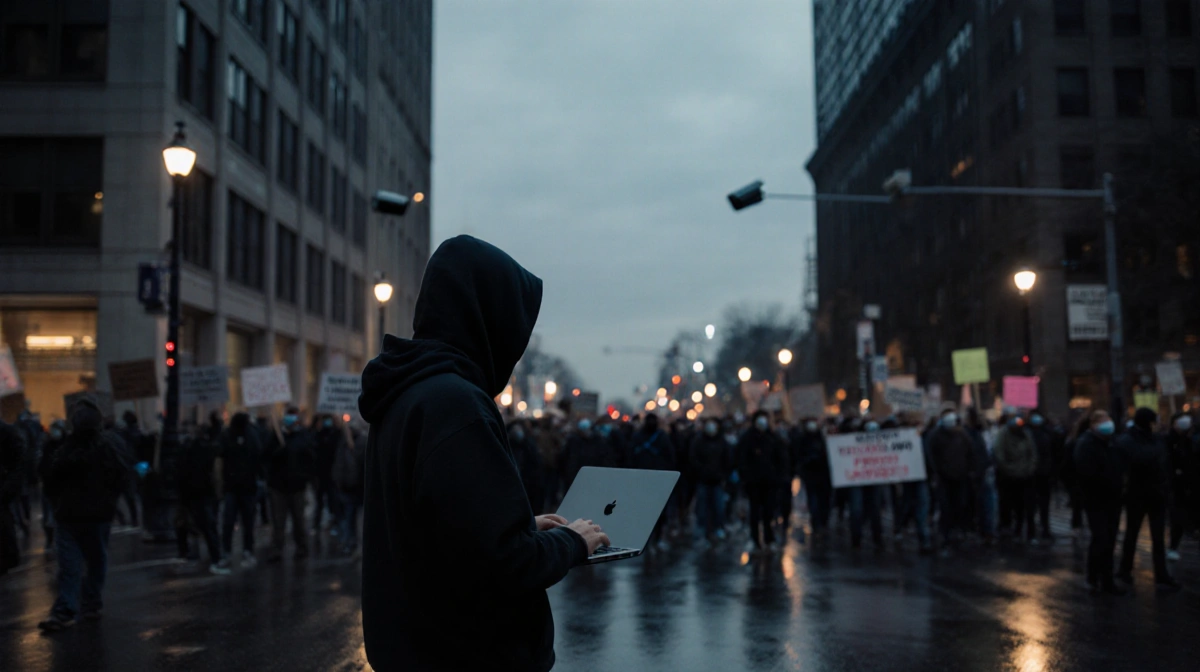
The first week of 2026 brought a new flashpoint in the Trump administration’s immigration enforcement. A federal officer’s fatal shooting of Renee Nicole Good during a Minneapolis raid has ignited protests across the country, while activists brace for intensified digital surveillance.
The Shooting and Immediate Fallout
On January 7, an immigration officer opened fire as Good tried to drive away from a Minneapolis enforcement scene. Department of Homeland Security Secretary Kristi Noem defended the action, saying the officer fired to protect himself and bystanders from being struck.
Video footage appears to show no immediate danger to officers. Within hours, demonstrators gathered; by the next day, parallel protests erupted in multiple cities.
Digital Surveillance Risks for Protesters
Authorities can extract vast data from confiscated phones or monitor transmissions in real time.
- Cell-tower logs reveal every protester’s location history.
- IMSI-catcher “stingrays” trick phones into broadcasting unique IDs en masse.
- Face-recognition systems match masked faces to identity databases.
- License-plate readers log every vehicle near marches.
Harlo Holmes, director of digital security at Freedom of the Press Foundation, advises leaving primary phones at home. If a phone is essential, use a secondary device stripped of social media and email, keep it powered off inside a Faraday bag, and rely on end-to-end encrypted apps like Signal with disappearing messages.
Physical and Online Footprints
Clothing choices matter: bold logos, colorful outfits, or exposed tattoos increase recognizability. A simple surgical mask may not defeat modern face-tracking; full-face coverings or costume masks offer stronger protection.
Transport poses another risk:
- Automatic license-plate readers capture plates-and even bumper-sticker text.
- Rideshares or public transit reduce personal vehicle exposure.
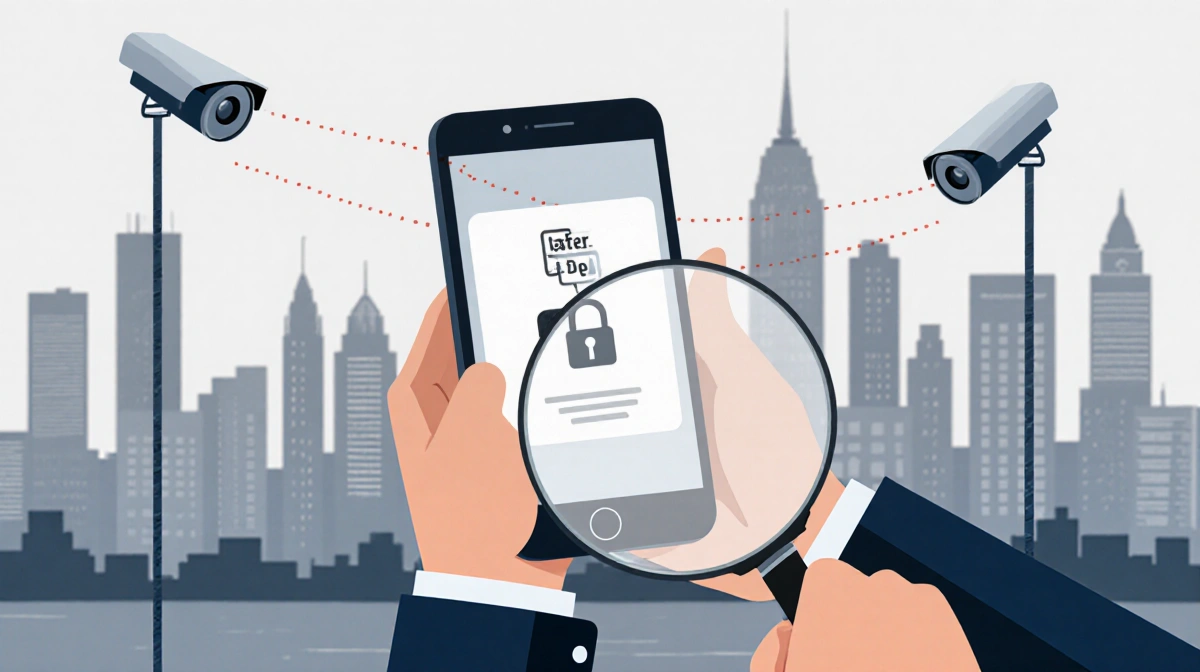
Social media posts, livestreams, or metadata-tagged photos can identify participants long after streets empty. Authorities deploy bulk-analysis tools such as Dataminr to correlate online activity with physical presence.
Fight for the Future deputy director Evan Greer warns:
> “The Trump administration is weaponizing essentially every lever of government to shut down, suppress, and curtail criticism.”
Cyberlixir founder Danacea Vo adds:
> “Protesting in the US now comes with higher risks than it used to-it comes with a real possibility of physical violence and mass arrest.”
Key Takeaways
- Leave primary phones at home; use burner or secondary devices sparingly.
- Encrypt devices with long passcodes-disable biometric unlock before marches.
- Mask up and cover identifiable features; avoid driving personal cars.
- Strip metadata from photos and blur faces before sharing documentation.
- Evaluate personal risk tolerance; undocumented immigrants may face deportation after arrest.
As demonstrations persist, digital hygiene is no longer optional-it is a prerequisite for safe dissent under an administration expanding surveillance reach.
Timeline of Escalation
| Date | Event |
|---|---|
| Jan 7 2026 | Officer shoots Renee Nicole Good in Minneapolis |
| Jan 8 2026 | Protests widen; digital security advisory updated |
Ongoing protests signal continued resistance to the administration’s immigration agenda, with each participant balancing visibility against vulnerability in an era of pervasive monitoring.