
> At a Glance
> – Chinese OEMs stayed away from CES 2025 because they cannot yet sell cars in the U.S.
> – Auto-tech gravity has moved to China, turning its Beijing/Shanghai expos into the new must-attend shows
> – Why it matters: Western brands risk losing relevance if they ignore the faster, cheaper innovation cycles now centered in China
Consumer Electronics Show’s once-unmissable automotive sparkle is fading. As Chinese brands accelerate development cycles and electrification becomes routine, the industry’s center of gravity-and its flashiest debuts-have relocated to China and, increasingly, to Munich’s IAA Mobility.
Why CES No Longer Puts Cars in the Spotlight
Andy Palmer, ex-Nissan COO and former Aston Martin CEO, says the trade-show dynamic has flipped. “Automotive tech is no longer an exciting novelty, it’s to be expected,” he notes, adding that electrification, software, and ADAS are now industrialized rather than concept-stage theater.
Ministeri, another industry voice, points out that Chinese OEMs-ahead in autonomous-driving software-simply cannot launch vehicles in the United States, so “CES is no longer the right stage for them.”
The New Global Auto-Show Pecking Order
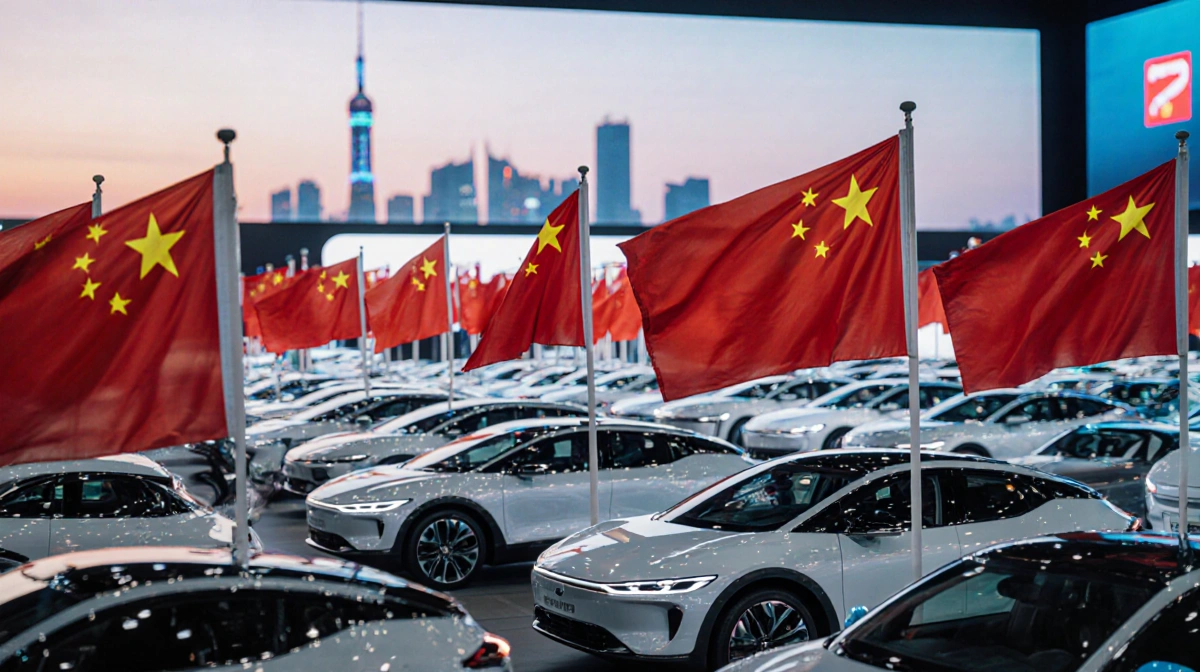
Shanghai’s 2025 expo served as a blunt warning to Detroit and Munich. Chinese makers showcased:
- World-leading charging speeds
- Longest-range battery packs
- Rapid design turnover
- High-volume roll-outs
Palmer says Shanghai now matters more “because that’s where the fastest innovation cycles, supply chains, and consumer demand sit.”
From Geneva’s Ashes, Munich Rises
With the Geneva Motor Show gone, Europe’s largest gathering is now Munich’s IAA Mobility. Chinese firms, blocked from Las Vegas, are pouring money into Munich displays instead. Ministeri describes Mercedes’ 2024 IAA stand as “the most beautiful I’ve seen in 10 years,” a direct response to China’s investment.
Speed Gap: 2 Years vs. 7
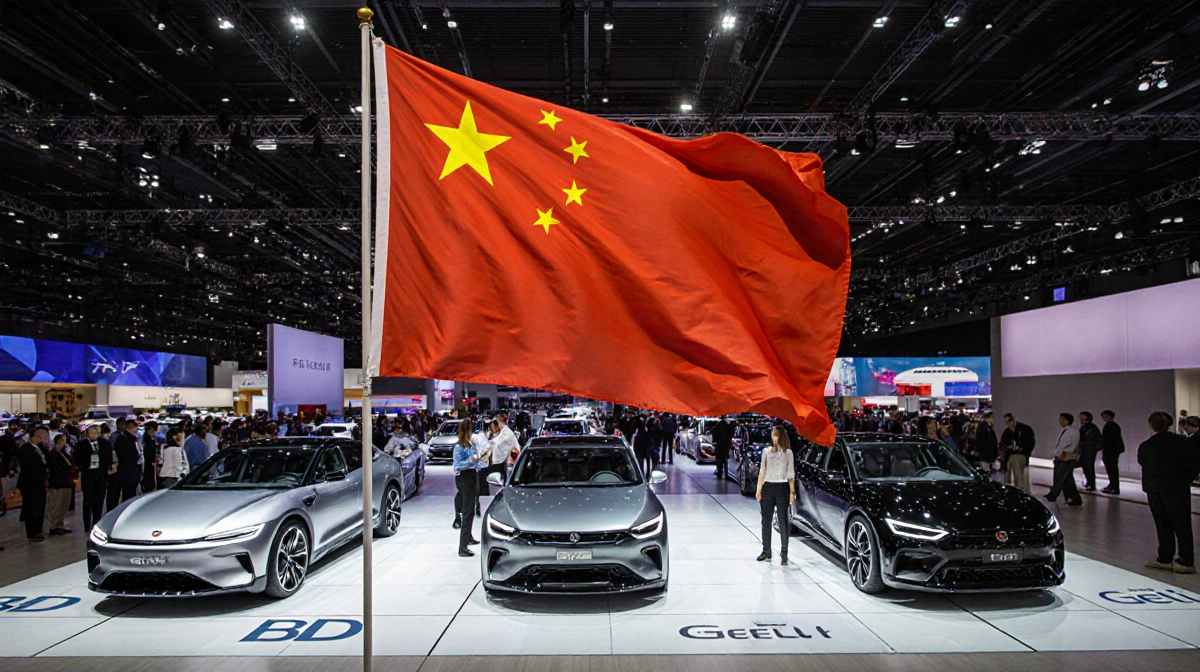
Chinese manufacturers average two years from R&D to showroom; traditional OEMs still need about seven. Nothard warns that show calendars can’t keep up: “BYD has a whole line of products on the horizon. Masses of new BYD product will hit the market before the next shows are even created.”
| Metric | Chinese OEMs | Western OEMs |
|---|---|---|
| Lead time | 2 years | 7 years |
| Key stage | Rapid iterations | Traditional gateways |
| Showcase venue | Shanghai/Beijing | Munich (growing) |
Key Takeaways
- CES peaked when software-defined vehicles were fresh; that moment has passed
- Chinese automakers now set the pace, making domestic expos the strategic stage
- Unless another seismic vehicle shift occurs, CES may stay in the automotive shadows
Unless a radical new technology upends today’s landscape, expect Shanghai-and Munich-to host the announcements that once lit up Las Vegas.