

> At a Glance
> – Federal officials this week removed blanket recommendations for six childhood vaccines.
> – Only at-risk kids or those in “shared clinical decision-making” are now targeted.
> – Pediatricians say the vague language fuels parent doubt and complicates office visits.
> – Why it matters: Falling vax rates and rising measles/pertussis could worsen under the new policy.
The nation’s childhood immunization schedule just got its biggest shake-up in decades, and frontline doctors predict chaos in both blue and red communities.
What Changed
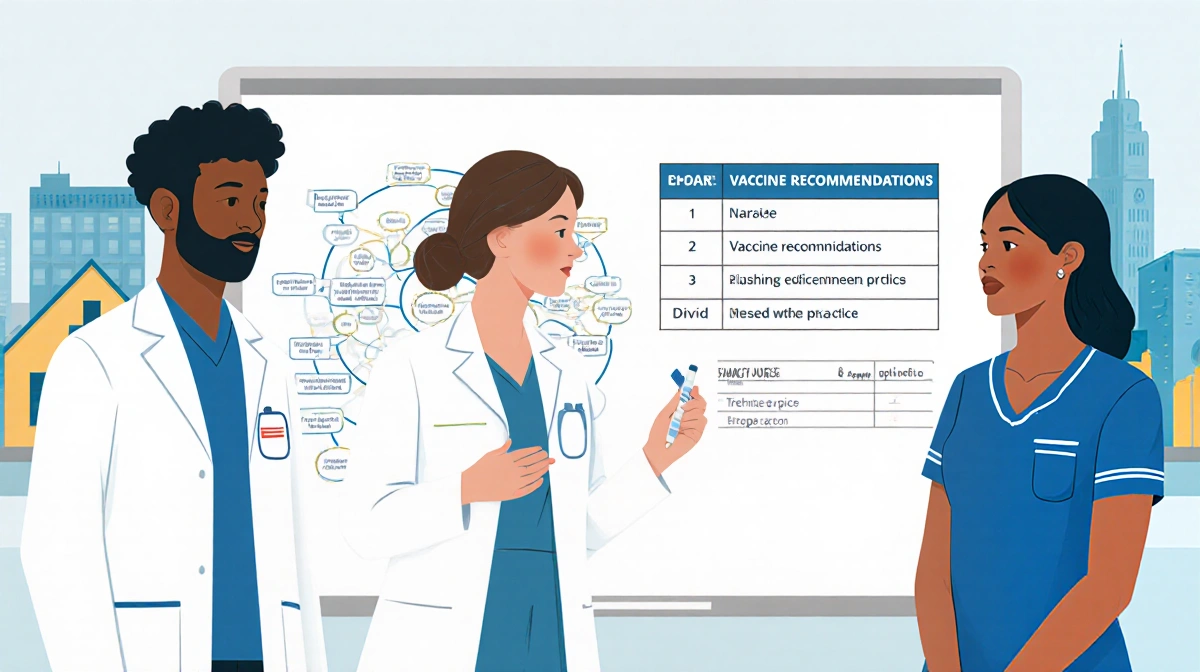
On Monday, Washington withdrew routine recommendations for hepatitis A, hepatitis B, rotavirus, RSV, flu, and meningococcal shots. Instead, officials advise:
- RSV, hep A, hep B, meningococcal: only for high-risk groups.
- Flu, rotavirus, hep A, hep B, meningococcal, COVID-19: use “shared clinical decision-making” if the child isn’t high-risk.
Health Secretary Robert F. Kennedy Jr. hailed the move as aligning the U.S. with peer nations and boosting “transparency and informed consent.”
Doctors Sound the Alarm
Dr. Molly O’Shea, who runs pediatric practices in both a Democratic and a Republican area of Michigan, says the phrase “shared clinical decision-making” lands like jargon.
> “It sends a message that only a rarefied group really needs the vaccine,” she warned.
Her Democratic clientele already favors stretched-out shot schedules; her Republican families increasingly skip vaccines outright. She expects the new wording to accelerate both trends.
Dr. Steven Abelowitz of Ocean Pediatrics in Orange County, California, fielded calls from six anxious parents within hours of the announcement.
> “It’s like pouring gasoline on a fire of mistrust,” he said, noting spikes in measles and pertussis hospitalizations. “We’re regressing decades.”
What “Shared Decision-Making” Really Means
The Advisory Committee on Immunization Practices defines it as:
> “Individually based decisions…between the health care provider and the patient or parent/guardian.”
Annenberg surveys show most adults don’t grasp that definition:
- Only 2 in 10 knew it implies the vaccine “may not be good for everyone but benefits some.”
- Just one-third realized pharmacists count as valid decision partners.
Practical Fallout in Clinics
Under the new rules:
- Quick vaccine-only visits may morph into full consultations.
- Drive-through flu clinics could disappear.
- Insurance coverage for provider time is unclear.
Medical Groups Push Back
On Friday, the American Academy of Pediatrics plus 200+ organizations wrote Congress demanding an investigation:
> “We urge you to investigate why credible scientific evidence was ignored and why the committee charged with advising the HHS Secretary did not discuss these changes publicly.”
Key Takeaways
- Six common pediatric vaccines are no longer universally recommended.
- “Shared clinical decision-making” is poorly understood by parents.
- Pediatricians fear extra hurdles will lower already-falling vaccination rates.
- Major medical societies are ignoring the federal shift and keeping former guidelines.
With measles outbreaks popping up and school-entry rules still set by states, the next few months will reveal whether the new federal stance nudges more parents to opt out-or simply confuses them into delay.