
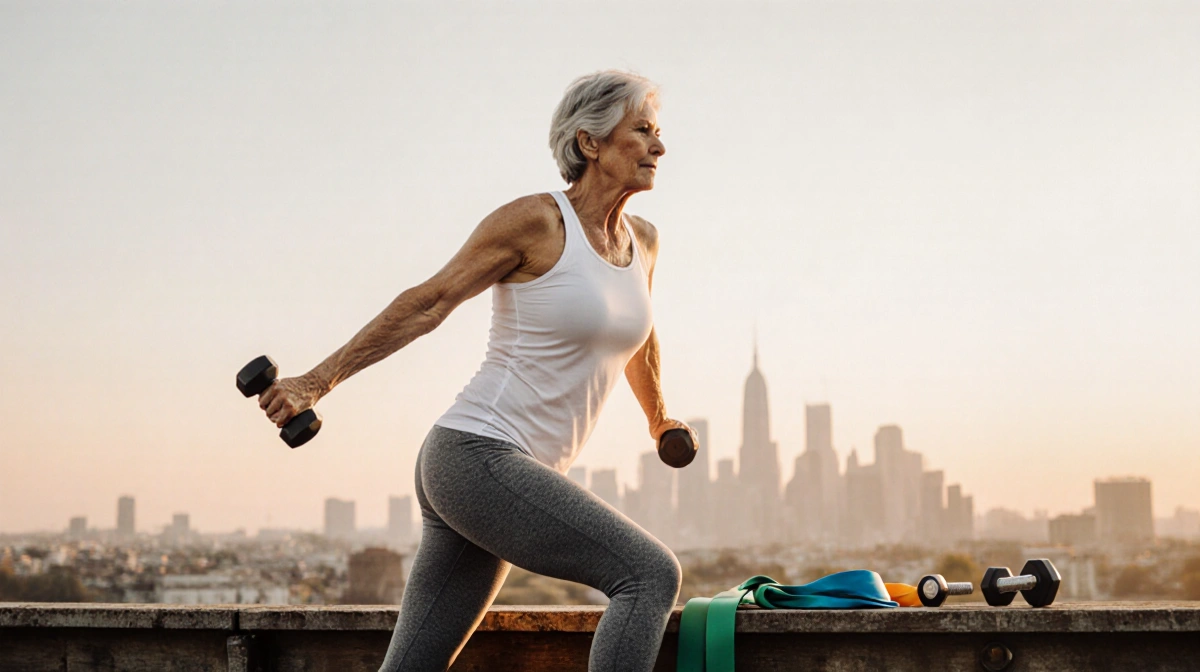

> At a Glance
> – Sarah Baldassaro, 52, rebuilt her fitness with strength training after menopause
> – Doctors say lifting combats estrogen-linked bone loss, muscle decline
> – No gym? No problem: push-ups, squats, stairs, or tai chi also protect bones
> – Why it matters: Strength work now lowers fracture risk and keeps weight steady
One Virginia woman’s post-50 pivot from cardio to weights is being held up by doctors as the blueprint for protecting bones, muscles, and metabolism after menopause.
How Strength Training Reverses Midlife Decline
Physical therapist Hilary Granat explains that when muscle tugs on bone during resistance work, it switches on the cells that rebuild bone. The payoff: denser bones, stronger muscles, and easier weight control even as estrogen drops.
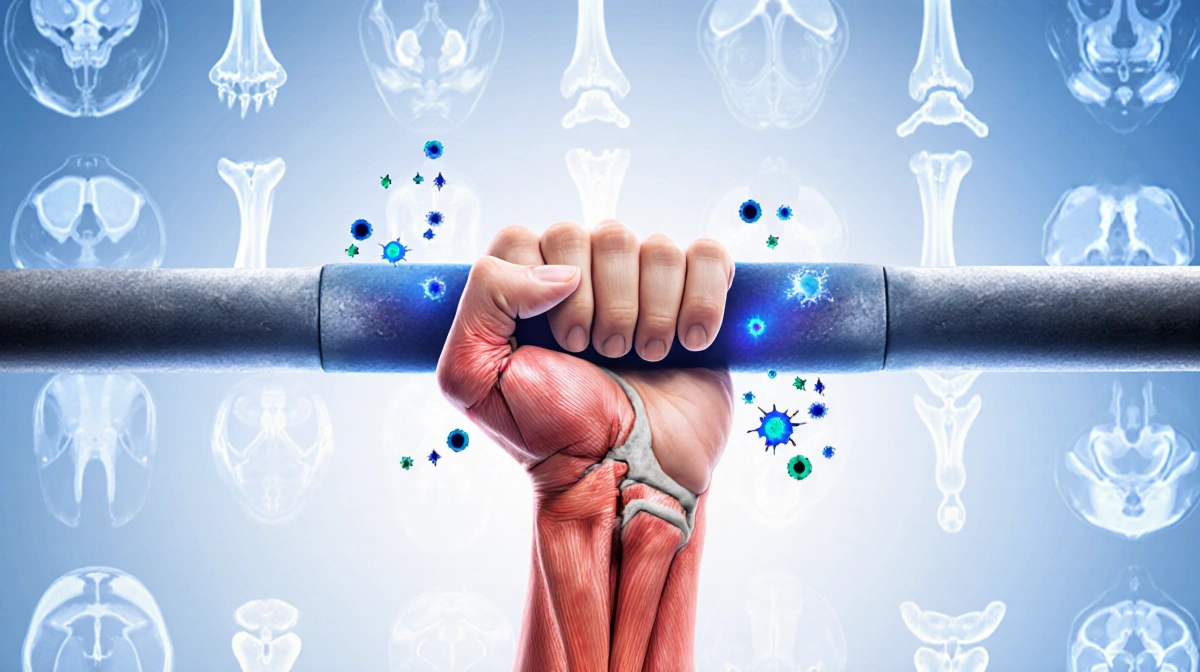
To trigger that response, Granat advises lifting heavy enough to reach six to 30 reps just before good form collapses. Beginners can start with 5-20 lb dumbbells on moves like chest presses or bicep curls.
Sarah Baldassaro, 52, of Alexandria, followed that plan and now handles 20 lb weights.
> “The strength training has really been the difference maker for me.”
Equipment-Free Moves That Still Build Bone
No weights? These body-weight drills deliver similar bone and muscle benefits:
- Push-ups, squats, lunges, planks
- Chair stands (sit-to-stand repeats)
- Wall sits
- Impact options: brisk walking, stair climbing, rebound step jumps (10-30 reps, three days a week)
Add Balance to Prevent Fractures
Dr. Christina DeAngelis, OB-GYN at Penn State Health, says middle-aged women also need balance drills to avoid falls that can snap already-thinning bones. Quick options:
- Stand on one leg while brushing teeth (30 sec per side)
- Tai chi or yoga sessions
Because bone mass peaks at 25-30, younger women reap the same protective edge by starting early.
Key Takeaways
- Resistance exercise counters the rapid bone loss that accelerates after menopause
- Aim for six to 30 reps at a challenging weight, or use body-weight alternatives
- Include balance work to cut fall risk
- It’s never too late: Baldassaro feels stronger now than in her 30s
Doctors agree the message is simple: pick up weights-or your own body weight-and start before the next fracture statistic includes your name.