
At a Glance
- NASA will move the Space Launch System rocket to Launch Pad 39B on Saturday
- Artemis 2 could lift off as early as February 6, sending four astronauts around the Moon
- Orion’s heat shield has been cleared after a two-year investigation
Why it matters: This mission marks humanity’s first crewed lunar flight since Apollo and sets the stage for a return to the Moon’s surface.
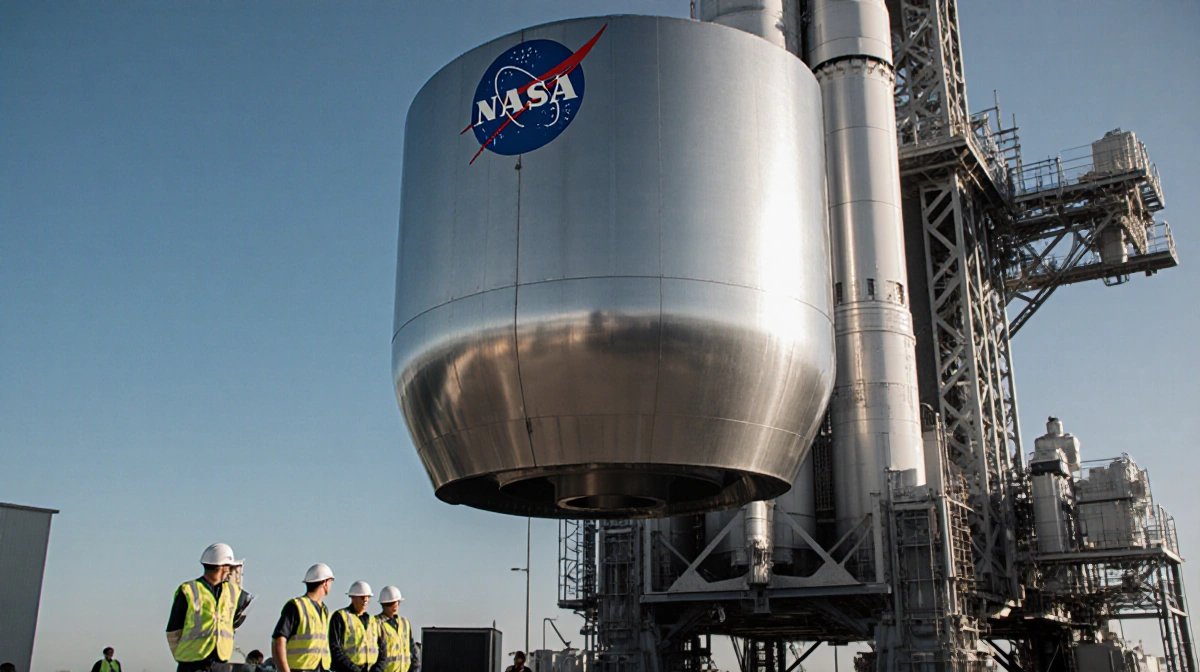
NASA is entering the final stretch before launching its first crewed Moon mission in more than 50 years. The agency confirmed Friday that the 322-foot-tall Space Launch System rocket and attached Orion spacecraft will begin the slow crawl to Launch Pad 39B at Kennedy Space Center on Saturday, a 12-hour, 4-mile trip that signals the last phase of launch preparations for Artemis 2.
Heat Shield Cleared After Two-Year Investigation
The mission’s November 2024 target slipped to September 2025 after engineers discovered unexpected erosion on Orion’s heat shield during the uncrewed Artemis 1 flight. Temperatures topping 5,000 °F charred the shield more than anticipated, prompting a deep dive into the spacecraft’s thermal protection system.
That review-combined with unrelated technical issues-pushed Artemis 2 to April 2026. In September, NASA hinted at an earlier window, and on Thursday Administrator Jared Isaacman erased any lingering doubt.
“We have full confidence in the Orion spacecraft and its heat shield,” he told Ars Technica, crediting “rigorous analysis and the work of exceptional engineers who followed the data.”
The fix involves steepening Orion’s reentry angle so the capsule spends less time in the hottest parts of Earth’s atmosphere. Engineers believe the tweak will keep temperatures within safe limits for the four astronauts riding inside.
24/7 Push Toward Rollout
Inside Kennedy’s Vehicle Assembly Building, teams are working around the clock to close final tasks before the rocket’s rollout. Weather or last-minute technical work could still delay the move, but NASA is pressing ahead.
Once the SLS-Orion stack reaches the pad, technicians will connect:
- Electrical lines
- Environmental-control system ducts
- Cryogenic propellant feed lines
All integrated systems will be powered up for the first time at the pad to confirm the rocket, mobile launcher, and ground infrastructure work as a single unit.
Wet Dress Rehearsal Looms
After pad connections are complete, the Artemis 2 crew-NASA astronauts Reid Wiseman, Victor Glover, and Christina Koch, plus Canadian Space Agency astronaut Jeremy Hansen-will visit the pad for a final walkdown.
A wet dress rehearsal is slated for late January. Ground crews will load the rocket with super-cooled propellant and run a full countdown, stopping just before booster ignition. The exercise also gives the closeout crew a chance to rehearse sealing astronauts into Orion without the astronauts on board.
Such tests almost always reveal glitches; engineers welcome the chance to fix them now rather than during the live countdown.
Launch Windows Narrow
If the wet dress goes smoothly, launch could occur as soon as February 6. Backup opportunities exist on:
- February 7, 8, 10, 11
- March 6, 7, 8, 9, 11
- April 1, 3, 4, 5, 6, 30
Missing the April window would force a longer stand-down while the Moon’s position and daylight constraints realign.
Path to the Surface
Artemis 2’s success is critical for Artemis 3, the mission that aims to land two astronauts near the lunar south pole. With geopolitical pressure mounting to beat China to the surface, NASA has made speed-balanced against crew safety-its top priority.
“We have important steps remaining on our path to launch and crew safety will remain our top priority at every turn, as we near humanity’s return to the Moon,” said Lori Glaze, acting associate administrator for NASA’s Exploration Systems Development Mission Directorate, in Friday’s statement.
Key Takeaways
- Saturday’s rollout is the visible milestone that Artemis 2 has entered its final launch campaign
- Orion’s heat shield fix caps a two-year investigation triggered by Artemis 1 data
- A successful wet dress rehearsal in late January keeps a February 6 launch in play
- Four astronauts will ride Orion farther from Earth than any humans since Apollo 17
- The flight sets up Artemis 3, NASA’s bid to return humans to the lunar surface later this decade