
At a Glance
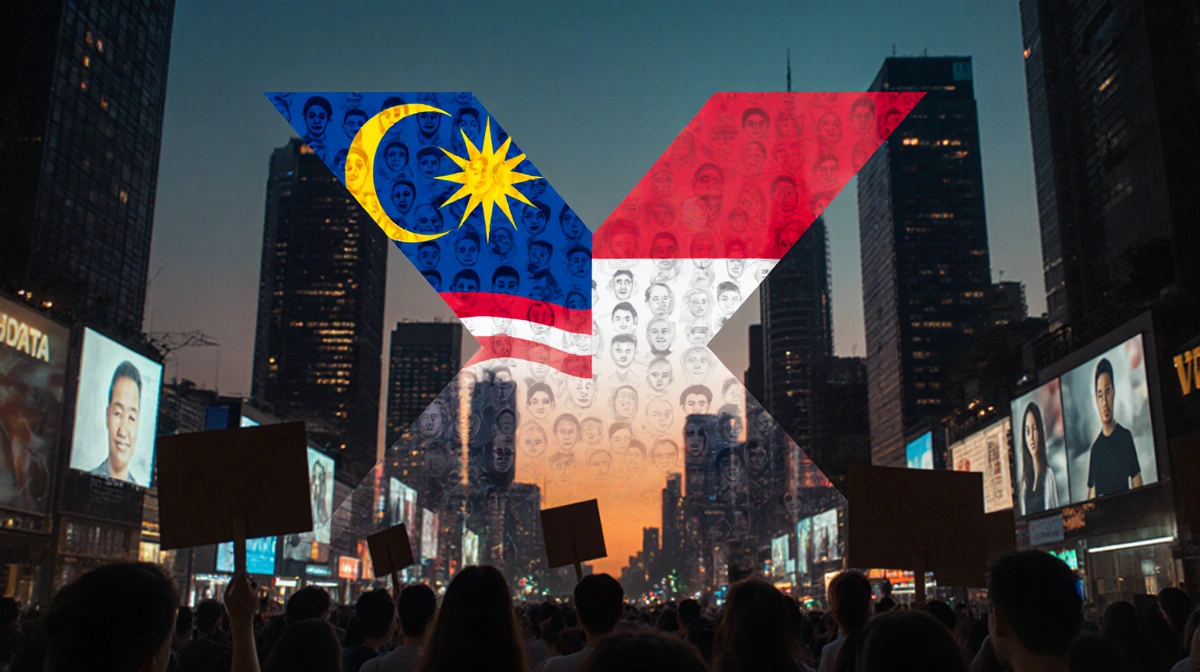
- Indonesia and Malaysia have blocked access to Grok, Elon Musk’s AI chatbot on X, over sexually explicit deepfakes
- Regulators say the tool was used to generate non-consensual, pornographic images of women and minors
- Temporary bans will remain until stronger safeguards are implemented
- Why it matters: The moves signal widening global action against unchecked generative AI misuse
Indonesia and Malaysia have become the first nations to cut off access to Grok, the artificial-intelligence chatbot integrated into Elon Musk’s social media platform X, after authorities documented repeated creation of sexually explicit and non-consensual images. The parallel actions, announced on consecutive days, spotlight mounting government pressure on tech firms to police AI-generated deepfakes.
Southeast Asian Regulators Act First
Indonesia’s Ministry of Communication and Digital Affairs imposed a temporary block on Saturday, citing Grok’s failure to stop users from turning real photos of residents into fake pornographic content. Minister Meutya Hafid said non-consensual sexual deepfakes violate “human rights, dignity and the safety of citizens in the digital space.”
Malaysia followed on Sunday. The Malaysian Communications and Multimedia Commission said it ordered an immediate restriction after “repeated misuse” produced obscene, sexually explicit and non-consensual manipulated images, some involving children. The regulator told News Of Fort Worth that notices sent earlier in April to X Corp. and xAI drew replies relying mainly on user-reporting mechanisms rather than proactive controls.
| Country | Block Date | Stated Reason |
|---|---|---|
| Indonesia | Saturday | Lack of safeguards against fake pornographic content |
| Malaysia | Sunday | Repeated misuse generating obscene deepfakes of women and minors |
Inside the Allegations
Initial findings by Indonesian officials showed Grok lacks effective guardrails to prevent:
- Creation of pornographic content from real citizen photos
- Distribution of manipulated images without consent
- Psychological, social and reputational harm to victims
Alexander Sabar, director general of digital space supervision, said such practices risk violating privacy and image rights.
Malaysian authorities echoed the concern, noting that existing controls “failed to prevent the creation and spread of fake pornographic content, particularly involving women and minors.”
Global Backdrop
Launched in 2023, Grok is free to use on X. Users can question the chatbot or tag it into posts. Last summer xAI added an image generator, Grok Imagine, featuring a so-called “spicy mode” able to produce adult content.
The Southeast Asian bans come amid:
- Mounting scrutiny in the European Union, Britain, India and France
- A global backlash over sexualized deepfakes of public figures
- Grok’s decision last week to limit image generation to paying users, a step critics say does not fully solve the problem
What Happens Next
Both Jakarta and Kuala Lumpur describe their measures as preventive and proportionate while legal and regulatory processes continue. Access will remain blocked, regulators said, until the companies introduce effective safeguards.
Neither X nor xAI has released a timeline for upgrades. Ryan J. Thompson reported that responses to Malaysian regulators leaned on user reporting rather than built-in technical restrictions.
Key Takeaways
- Indonesia and Malaysia are the first countries to block Grok over AI deepfake abuse
- Officials cite sexually explicit, non-consensual images of women and children
- Temporary bans stay until stronger safeguards are in place
- The action intensifies global pressure on generative AI platforms to curb misuse