

At a Glance
- Only nine U.S. golds were won at Beijing 2022 out of 235 Winter Olympians
- 70.8% of Olympians compete at just one Games
- Emily Clark urges athletes to focus on process, not medals
- Why it matters: Reframes how athletes-and fans-measure Olympic achievement
Winning gold is so rare that most Olympians leave without one. Emily Clark, a clinical psychologist on the 15-member U.S. Olympic and Paralympic Committee mental-health staff, is in Italy to help Team USA redefine what success looks like.
Beyond the Medal Count
Clark’s job when the Winter Games open Feb. 6 is simple on paper: help athletes interpret success. In practice, that means guiding skiers, skaters and sliders away from a single metric-gold-and toward controllable goals such as effort, sleep and resilience.
“A lot of athletes these days are aware of the mental-health component of, not just sport, but of life,” Clark told Megan L. Whitfield. “This is an area where athletes can develop skills that can extend a career, or make it more enjoyable.”
The numbers back her up:
| Statistic | Figure |
|---|---|
| U.S. golds, Beijing 2022 | 9 |
| Expected U.S. athletes, Milan 2026 | 235 |
| Olympians who attend only one Games | 70.8% |
“Most of the athletes who come through Team USA will not win a gold medal,” Clark said. “That’s the reality of elite sport.”
Process Over Podium
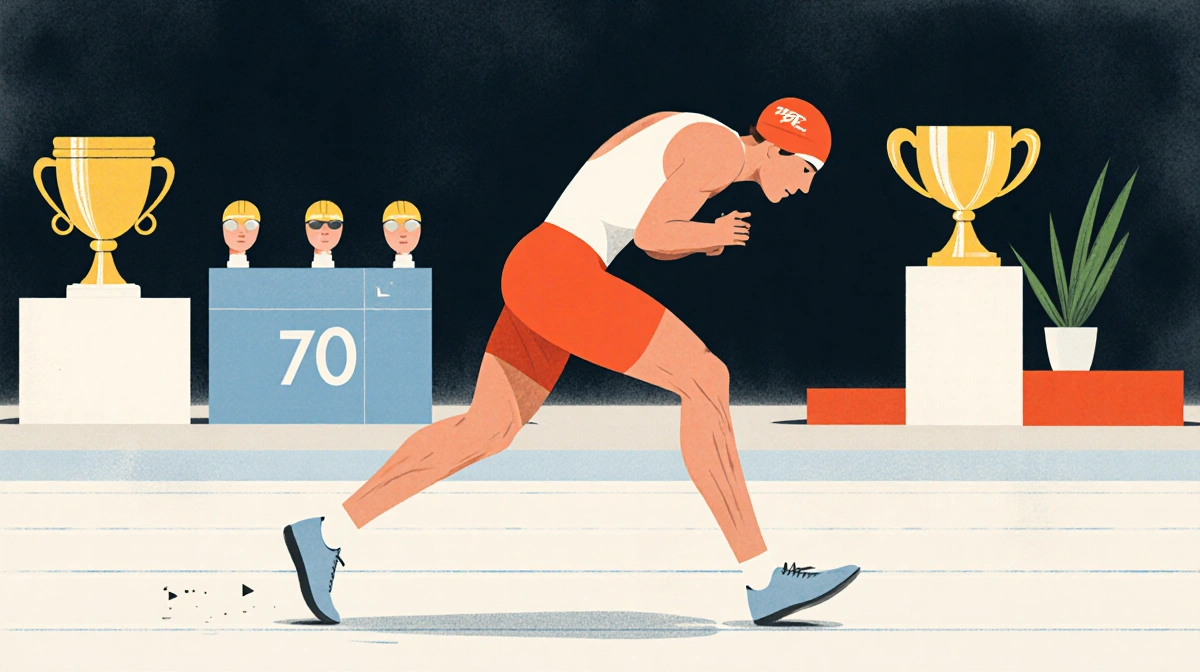
Clark’s core message: focus on the task, not the trophy. “You’re job is not to win a gold medal, your job is to do the thing and the gold medal is what happens when you do your job,” she explained.
Her daily work spans:
- Stress management
- Sleep hygiene
- Anger control
- Anxiety reduction
- Eating-disorder support
- Family-issue counseling
- Trauma and depression care
- Travel-fatigue planning
The payoff, she argues, is both performance and longevity. “Some of this might be realigning what success looks like. And some of this is developing resilience in the face of setbacks and failure.”
Athletes Who Buy In
Four-time Paralympic gold medalist Kendall Gretsch credits the USOPC program for keeping her centered. “We have a sports psychologist who travels with us for most our season,” she said. “Just being able to touch base with them … and getting that reminder of why are you here. What is that experience you’re looking for?”
World champion figure skater Alysa Liu, sixth at Beijing 2022, calls her unnamed sport psych “the MVP-Most Valuable Psychologist. She’s incredible … very helpful.”
Two-time Paralympian Dani Aravich, set to ski in the upcoming Paralympics, now tracks nightly sleep after sessions with Clark. “Sleep is going to be your No. 1 savior at all times,” she said.
The Holdout
Not every star buys in. Lindsey Vonn, 41 and racing in her sixth Olympics on a titanium knee, jokes that her youth coaches were pieces of tape on her skis reading “stay forward or hands up.”
“I just did it myself,” she said. “I do a lot of self-talk in the starting gate.”
Sleep as Secret Weapon
Clark lists common rest killers for elite athletes:
- Late-night practices
- Cross-time-zone travel
- Injury pain
- Parenting duties
- Life stress
Her rules for better sleep:
- No caffeine after 3 p.m.
- Diminish pre-bed stress
- Fixed bedtime
- Dark room
- 7-9 hours nightly
“Sleep is the cornerstone of healthy performance,” Clark said.
Key Takeaways
- Gold medals are statistically out of reach for most Olympians.
- USOPC psychologists push process goals-effort, recovery, mindset.
- Sleep, stress control and self-talk are trained like physical skills.
- Some champions swear by the support; others rely on self-coaching.
The new metric, Clark insists, is simple: “We get stronger by pushing ourselves to a limit where we’re at our maximum capacity-and then recovering.”