Health misinformation on Instagram, TikTok and Reddit is reaching people even when they’re not actively searching for answers, warns Dr. Briana Calcagno‑Davi, a senior pediatric neuropsychologist at Northwell Health.
Social Media: The New Health Information Hub
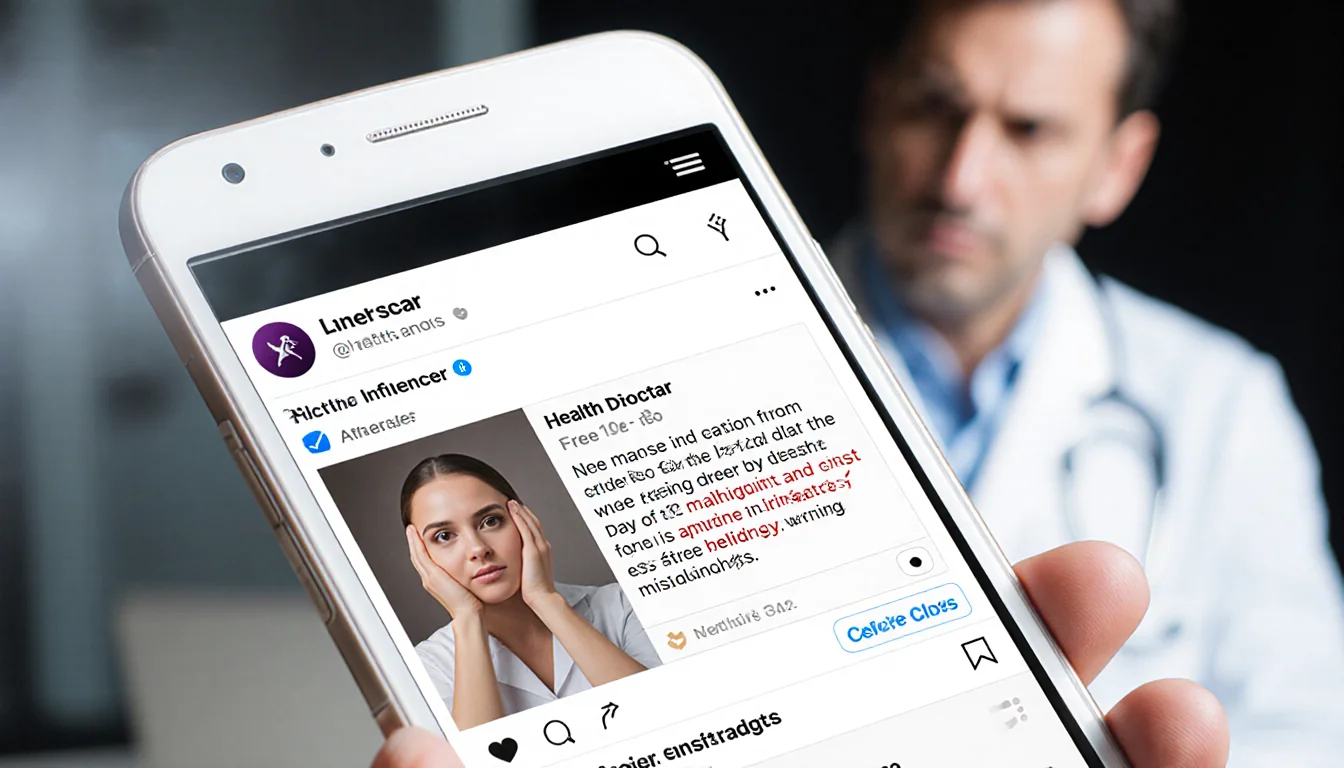
Dr. Calcagno‑Davi’s warning starts with a familiar admonition: “Don’t Google it!” She then adds, “Now I almost am telling them, ‘Don’t Instagram it! Don’t TikTok it! Don’t Reddit it!’” The clinician notes that “A lot of misinformation is being placed out on social media by people who aren’t health clinicians or within the medical field.”
She explains how a single click can trigger a cascade of related posts: “In today’s day and age, they don’t have to actively seek it out.” Her advice to patients is simple yet powerful: “What I’m often telling patients is, if it finds you at your front door, do your due diligence to look into who’s saying it, what they’re saying, and do a little research before you take it as truth.”
Survey Reveals Heavy Reliance on Social Media
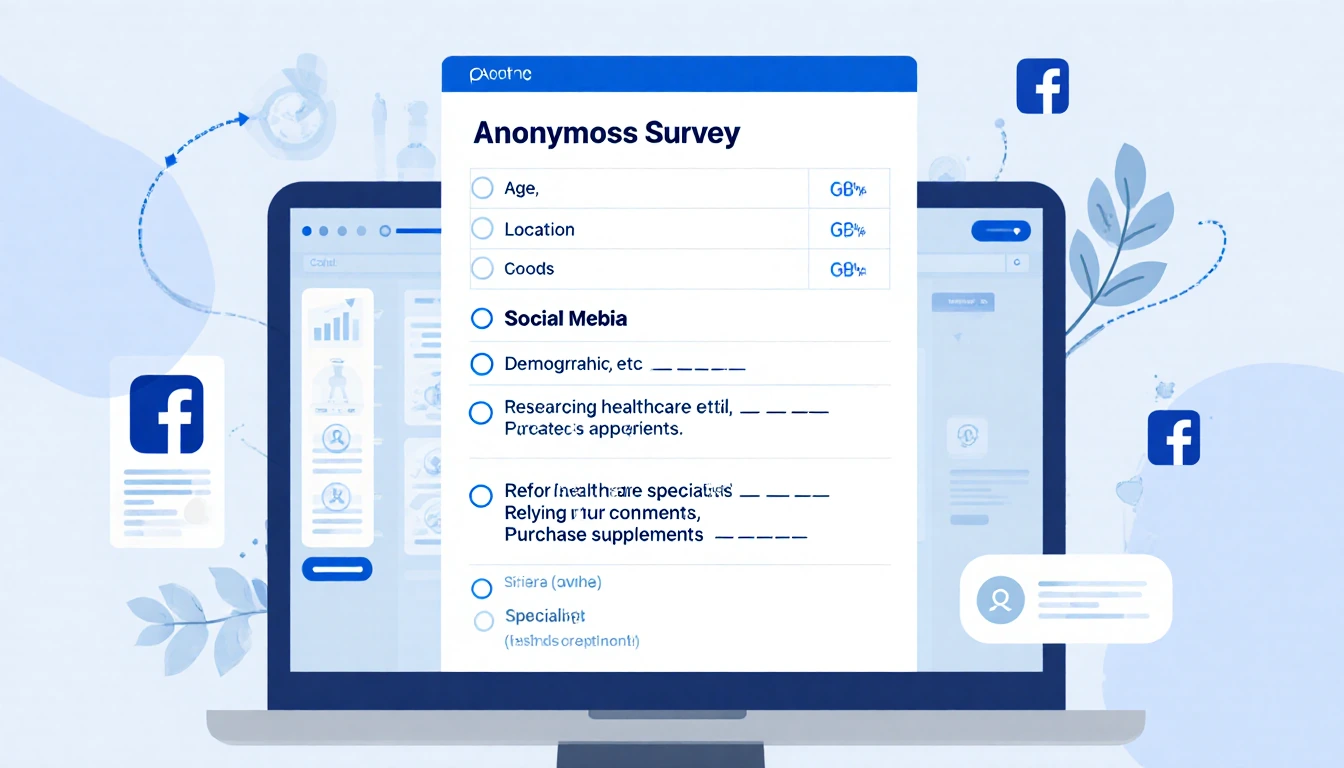
To quantify the phenomenon, Calcagno‑Davi partnered with undergraduate students and hospital volunteers to launch an anonymous online survey. The questionnaire collected demographic data and asked whether users research health‑care specialists they encounter on social media, rely on comments, or purchase supplements advertised on these platforms.
Preliminary results, with respondents aged 13 to 85, show that nearly 70 % of those polled say they find social media an effective way to gain medical or clinical knowledge. However, “less than half have done research to verify that the health care specialist is legitimate.”
She described the survey’s purpose: “Small picture is understanding the utility of social media as a health information platform,” she said. “Big picture is if there is a lot of people out there who are getting misguided on social media, how do we protect them? How do we protect our children, our elderly, our people who may have development disabilities?”
Influencer‑Driven Misinformation
Earlier this year, a University of Sydney study published in the Journal of the American Medical Association examined misleading health information on Instagram and TikTok. The analysis of nearly 1,000 posts about five controversial medical tests promoted by influencers revealed that 87 % of the content mentioned potential benefits, while only 15 % mentioned potential harms, such as “overdiagnosis” from full‑body MRIs or tests to detect early signs of cancer, evaluate microorganisms in the gut, or measure hormone levels.
Only 6 % of posts referenced scientific evidence. The combined reach of these posts totaled almost 200 million followers, and nearly 70 % of the influencers and account holders had a financial interest in promoting the tests.
Public Health Concerns: Measles and Beyond
Health officials are warning about misleading information aimed at preventing measles as the Centers for Disease Control and Prevention reports rising case numbers across the United States. Receiving health misinformation, Calcagno‑Davi adds, can lead to a delay in receiving the proper diagnosis and care from a medical professional, and at worst, can cause people to use harmful products or push off proper care that can be detrimental to their health.
How Patients Can Protect Themselves
Calcagno‑Davi recommends that viewers vet all self‑proclaimed medical professionals on social media, no matter how much they may look and sound the part. She notes that “there are procedures in place to protect the public, and providers’ license statuses and other information are easily accessible and should be verified to ensure they have the proper credentials and qualifications before adhering to their advice.”
In the fitness area, for example, one should check whether a creator holds certification from an accreditation organization and confirm the information through the U.S. Registry of Exercise Professionals database. The American Medical Association and The American Board of Medical Specialties maintain searchable databases for medical doctors, which may help verify the qualifications of creators who share their legal names and general locations. States also operate databases that allow users to check if someone is licensed to practice medicine or has been disciplined for misconduct.
Parents and Teens: Open Communication
“It’s really hard to mediate how children, and teenagers specifically, use social media,” said Calcagno‑Davi, a mother of two. “I think that you can put in all the stops and parental barriers that you can, but I also think having an open lens of communication with your child is the best way. So, reminding your child that if they feel a certain way in their body, in their mind, to come to them and they can give them guidance — it’s better than turning to potential threats that are on the internet.”
Call to Action: Verification and Regulation
Calcagno‑Davi is hopeful that social media platforms will implement a verification badge for health care professionals. She asks, “Wouldn’t it be great if we had a little red shield or a specific verification badge that verifies that the poster is someone in a clinical field as a health provider?”
She stresses that until stricter regulations are in place, “it is the obligation of social media users of all ages to protect themselves and ensure they are receiving information from reliable sources.”
Key Takeaways
- Nearly 70 % of survey respondents find social media useful for health information, yet less than half verify the credentials of the source.
- Influencer posts about medical tests highlight benefits far more than harms, with only 6 % citing scientific evidence.
- Parents are urged to maintain open communication with teens and to verify the credentials of online health advisors.
The growing reach of health misinformation underscores the need for users to critically evaluate online content and for platforms to provide clear verification tools for qualified health professionals.