
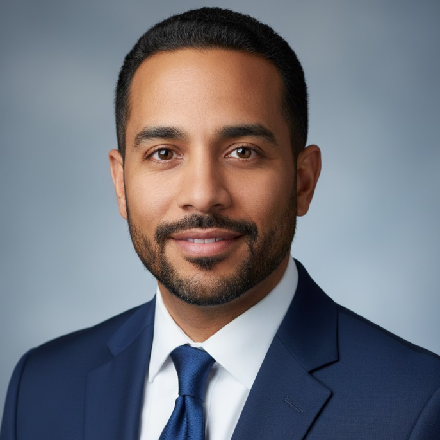
On Tuesday, a Los Angeles courtroom will hear the sentencing of Mark Chavez, a San Diego physician charged with illegally supplying ketamine in the overdose death of Friends star Matthew Perry. Chavez, 55, pleaded guilty in October 2024 to one federal count of conspiracy to distribute ketamine and surrendered his medical license. His clinic in the San Diego area was operational at the time of Perry’s death in 2023, linking him directly to the tragic case.
Background
Matthew Perry, 54, was best known for his role as Chandler Bing on the NBC sitcom Friends, which ran for ten seasons from 1994 to 2004. His portrayal of the sarcastic, neurotic character earned him worldwide recognition and a place among the most beloved television actors of his generation. Throughout his career, Perry openly discussed his battles with addiction, a struggle that dated back to his early days on Friends. Despite his success, the actor faced ongoing challenges with substance abuse, which ultimately played a central role in the events that led to his untimely death. Perry’s health issues and substance misuse were widely reported, and he had sought medical treatment for depression. His struggle with ketamine, an anesthetic drug, became a focal point in the investigation.
The Fatal Incident
On October 28, 2023, Matthew Perry was discovered deceased by an assistant in a jacuzzi at his Pacific Palisades residence. The medical examiner’s report determined that ketamine was the primary cause of death. The drug, administered as part of an off‑label treatment for depression, had been obtained from Perry’s regular doctor. As the investigation unfolded, it became clear that additional ketamine was supplied by other medical professionals. The combination of the drug’s potency and the quantity involved ultimately led to Perry’s fatal overdose. The investigation also revealed that the ketamine was being used in a manner that exceeded the amount prescribed by Perry’s licensed physician. This pattern of overuse contributed to the circumstances surrounding his death.
The Doctors Involved
Mark Chavez, 55, was a San Diego physician who operated a ketamine infusion clinic at the time of Perry’s death. In October 2024, Chavez pleaded guilty to one federal count of conspiracy to distribute ketamine and immediately surrendered his medical license. He admitted that he and Salvador Plasencia began supplying ketamine to Perry around September 2023. Plasencia, 44, of Santa Monica, faced his own legal consequences; he was sentenced to two and a half years in federal prison on December 3 after pleading guilty last summer to four counts of distributing ketamine. Like Chavez, Plasencia also relinquished his medical license. Both doctors were implicated in illegally providing ketamine beyond the prescriptions authorized by licensed physicians. Their actions directly facilitated the increased availability of the drug to Perry, which played a crucial role in the fatal overdose.
Legal Proceedings and Plea Agreements
Chavez’s plea agreement detailed that he and Plasencia had begun supplying ketamine to Perry beginning around September 2023. In the agreement, Chavez admitted to conspiracy to distribute the anesthetic drug, a federal offense that carries significant penalties. Plasencia’s plea agreement revealed that another patient had connected him with Perry, and that starting about a month before Perry’s death, he illegally supplied the actor with 20 vials of ketamine totaling 100 mg, along with lozenges and syringes. He also admitted to enlisting Chavez to supply the drug for him. After selling the drugs to Perry for $4,500, Plasencia allegedly asked Chavez if he could keep supplying them so they could become Perry’s “go‑to,” prosecutors said. These admissions were part of the broader legal strategy to address the illicit distribution of ketamine that contributed to the overdose.
Sentencing and Impact Statements
Mark Chavez is expected to be sentenced in a Los Angeles courtroom on Tuesday. His sentencing will follow the pattern of other defendants in the case, who have all pleaded guilty and faced penalties. During the proceedings, the loved ones of Matthew Perry shared powerful impact statements, highlighting the tragedy’s effect on family and friends. Carolyn Johnson reports for NBC4 News at 5 p.m. on Wednesday, Dec. 3, 3035, covering the sentencing and the broader context of the case. The statements underscore the personal toll of the drug’s misuse and the legal accountability of the physicians involved. The courtroom hearing also highlighted the legal framework that governs prescription practices and the consequences of violating federal drug distribution laws.
Additional Defendants
Other defendants involved in Matthew Perry’s death also pleaded guilty. Jasveen Sangha, known as the “Ketamine Queen,” faces up to 65 years in prison when her sentencing is scheduled for February 25. The charges against Sangha stem from her role in facilitating the distribution of ketamine to Perry. Her case adds to the growing list of medical professionals who have been held accountable for the illicit use of the anesthetic drug. The cumulative impact of these convictions underscores the seriousness with which federal authorities treat the illegal supply of ketamine. These cases illustrate the enforcement actions taken against individuals who facilitate the misuse of prescription medication, reinforcing the legal boundaries surrounding controlled substances. The outcomes of these trials send a clear message that medical professionals must adhere strictly to prescribing regulations.

Key Takeaways
- Mark Chavez, a San Diego physician, faces sentencing for conspiracy to distribute ketamine that contributed to Matthew Perry’s overdose.
- Salvador Plasencia, 44, of Santa Monica, received a 2½‑year federal prison sentence and surrendered his medical license for distributing ketamine to Perry.
- Additional defendants, including Jasveen Sangha, are also facing significant prison terms for their roles in the illicit ketamine supply chain.
These proceedings underscore the federal government’s commitment to holding medical practitioners accountable when prescription protocols are breached. The case serves as a stark reminder that the misuse of controlled substances can have fatal outcomes. As the legal system continues to address the distribution of ketamine, the ramifications for the medical community and patients alike will likely shape future prescribing practices and regulatory oversight.