
At a Glance
- Minnesota and its two largest cities filed an 80-page federal suit to halt Operation Metro Surge.
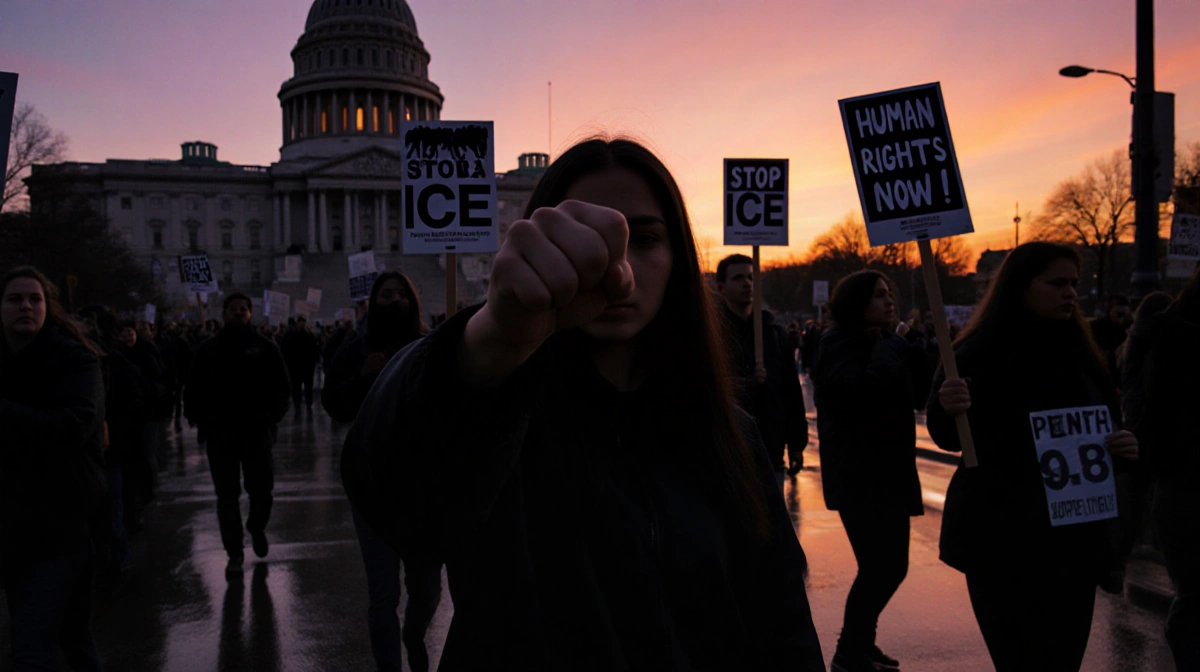
- Thousands of masked, armed agents have entered schools, churches, and hospitals, prompting lockdowns and business losses.
- The January 7 fatal shooting of Renee Nicole Good by an ICE officer intensified public fear and became a focal point of the complaint.
- Why it matters: Residents say the operation has created “chaos and terror,” forcing parents to keep children home and diverting local police from everyday safety work.
Minnesota’s attorney general and the cities of Minneapolis and St. Paul on Monday asked a federal judge to immediately block what they call an unlawful federal invasion, arguing that the Department of Homeland Security has turned the Twin Cities into a testing ground for warrantless arrests and excessive force.
Lawsuit Targets DHS and Kristi Noem
The complaint names DHS Secretary Kristi Noem and senior officials as defendants, claiming the surge violates the Tenth Amendment, federal administrative law, and long-standing limits on immigration enforcement.
Key allegations:
- Agents in unmarked vehicles have pulled people off streets without warrants.
- Enforcement actions at sensitive locations have forced school closures.
- Local police resources have been “commandeered,” pulling officers away from routine calls.
Governor Tim Walz joined Attorney General Keith Ellison at the afternoon press conference, where Ellison described the scene: “This is, in essence, a federal invasion of the Twin Cities and Minnesota, and it must stop.”
The Shooting That Galvanized Opposition
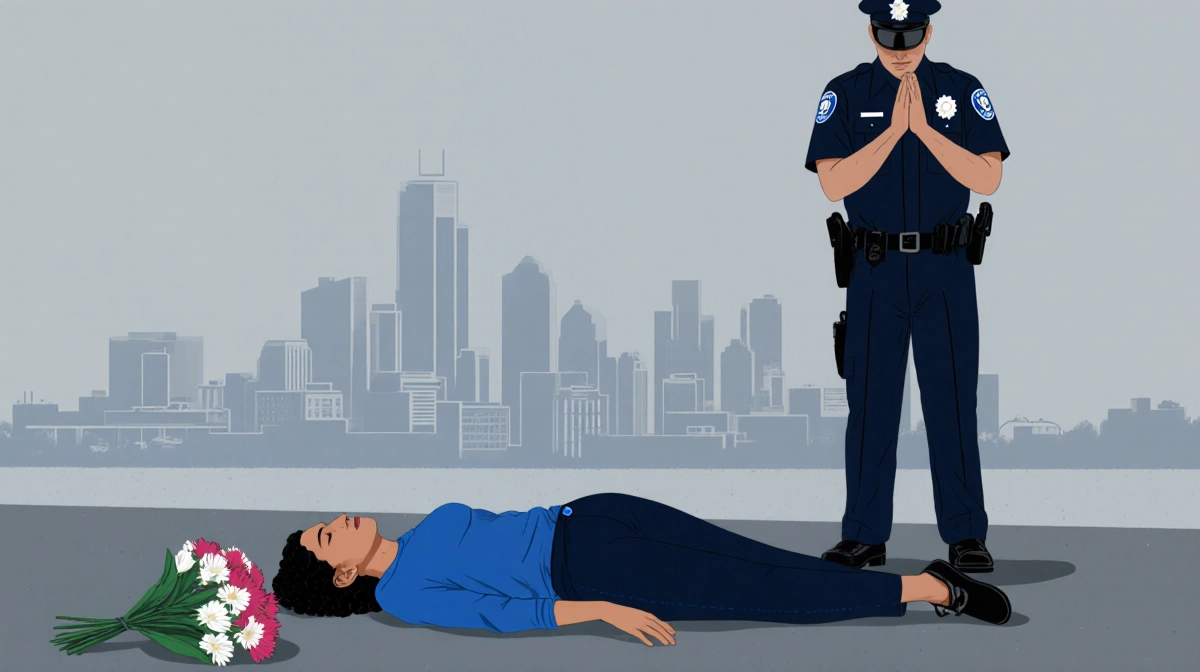
State officials trace the surge’s backlash to the January 7 killing of Renee Nicole Good, a 37-year-old wife and mother of three. An ICE officer shot her during an enforcement operation in Minneapolis; the FBI then took sole control of the investigation, barring Minnesota authorities from accessing evidence.
Plaintiffs argue that the federal takeover undermines transparency and erodes public trust. Community groups say the incident fueled rumors that agents could shoot with impunity, prompting parents to keep children indoors and businesses to shorten hours.
Economic and Public-Safety Impact
Ellison cited more than 20 ICE-related incidents since mid-December, including:
- Vehicles abandoned in traffic after agents stopped drivers.
- Reports of masked officers entering apartment buildings without identifying themselves.
- Lockdowns at three Minneapolis public schools after nearby arrests.
Local business owners told News Of Fort Worth that foot traffic dropped sharply once social-media videos showed agents in tactical gear outside restaurants and retail shops. The city’s 911 call center has logged spikes in hang-ups, which dispatchers attribute to callers afraid that federal agents-not local police-might respond.
Constitutional Arguments
The 80-page filing claims Operation Metro Surge amounts to “retaliatory conduct” because Minnesota has enacted policies limiting local cooperation with federal immigration authorities. Plaintiffs argue the administration is punishing the state for exercising sovereign powers.
They also say the program violates the Administrative Procedure Act by skipping required notice-and-comment periods and ignores DHS’s own sensitive-locations memo that generally bars enforcement at schools, hospitals, and places of worship.
Illinois Files Parallel Suit
Hours after Minnesota’s announcement, the state of Illinois and the city of Chicago filed their own lawsuit, accusing DHS of unleashing a “militarized immigration operation” that has “rampaged for months through Chicago and surrounding areas, lawlessly stopping, interrogating, and arresting residents, and attacking them with chemical weapons.”
The twin lawsuits signal coordinated resistance among Democratic-led states to the Trump administration’s immigration crackdown. Legal observers told News Of Fort Worth the cases could test how much authority the federal government has to deploy tactical units far from the border without local consent.
What Happens Next
A federal judge in Minnesota has not yet scheduled a hearing on the state’s request for a temporary restraining order. DHS declined to comment on pending litigation, but in earlier statements agency officials have said Operation Metro Surge targets “criminal aliens” and enhances public safety.
Community organizers say they will hold nightly vigils outside the federal courthouse until a ruling is issued. Meanwhile, Minneapolis Public Schools confirmed they have rehearsed modified lockdown procedures in case agents appear near campuses again.
Key Takeaways:
- The lawsuit seeks an emergency court order halting Operation Metro Surge, claiming the federal deployment violates state sovereignty and constitutional protections.
- State officials cite the fatal ICE shooting of Renee Nicole Good and the subsequent FBI takeover of the investigation as evidence that transparency is impossible under current federal practices.
- Economic fallout includes business losses and diverted police resources, while parents report keeping children home out of safety concerns.
- Illinois filed a separate suit the same day, setting up a multi-state legal battle over the scope of federal immigration enforcement far from the U.S. border.