

At a Glance
- NASCAR will crown its 2026 champion based on points across the final 10 races, not a single winner-take-all showdown.
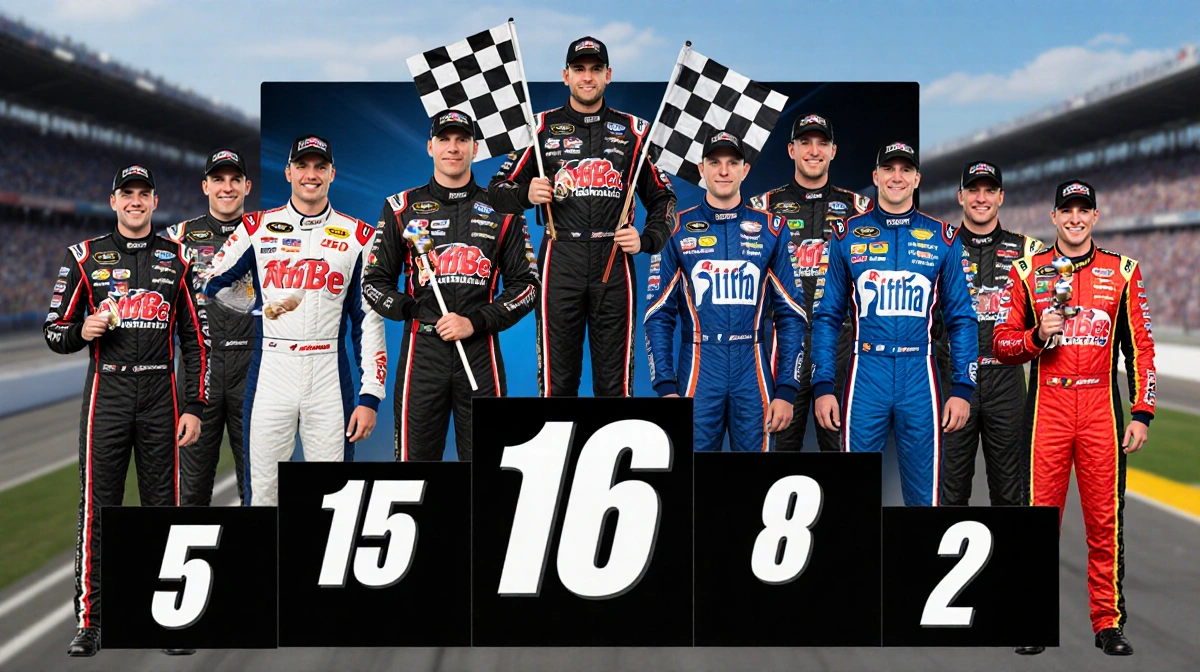
- The top 16 regular-season drivers qualify for “The Chase,” with no automatic berths for race wins.
- Points for a victory jump to 55 from 40, and stage wins remain part of the scoring formula.
- Why it matters: Fans and drivers who criticized the randomness of the one-race finale get a format rewarding season-long consistency.
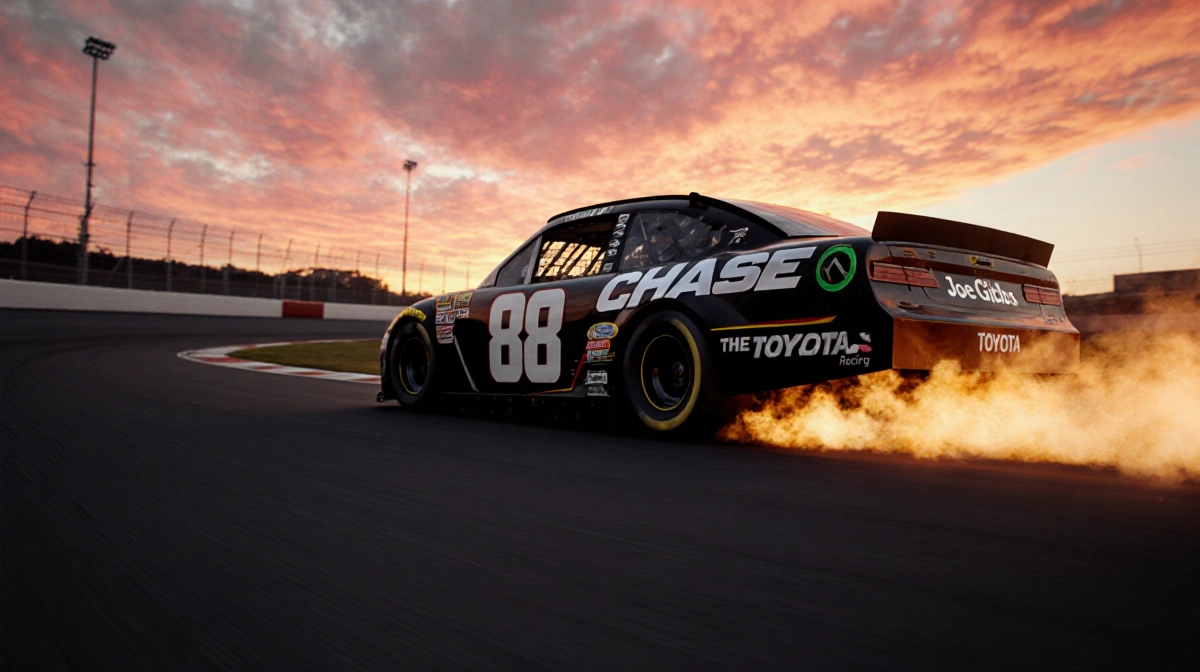
NASCAR is scrapping the elimination-style playoffs that have decided its Cup Series champion since 2014. Starting in 2026, the title will go to the driver who accumulates the most points over the last 10 races in a retooled version of “The Chase,” the championship system last used in 2013.
The Return of The Chase
The 2026 season will split into two segments:
- First 26 races: Regular season
- Final 10 races: The Chase
Every race will count toward the championship, eliminating the previous format’s cutoff races and a single championship finale. The switch restores the philosophy that sustained excellence, not one good day, should decide the title.
Who Makes the Playoffs?
The top 16 drivers in regular-season points qualify. There are no automatic spots for race winners, a departure from recent years. Once the playoffs begin, points reset once based on regular-season finish:
| Seed | Points |
|---|---|
| 1st | 2,100 |
| 2nd | 2,075 |
| 3rd | 2,065 |
| 4th | 2,060 |
| 5th | 2,055 |
| 6th | 2,050 |
| 7th | 2,045 |
| 8th | 2,040 |
| 9th | 2,035 |
| 10th | 2,030 |
| 11th | 2,025 |
| 12th | 2,020 |
| 13th | 2,015 |
| 14th | 2,010 |
| 15th | 2,005 |
| 16th | 2,000 |
New Points Structure
Race winners receive 55 points instead of the previous 40, increasing the reward for victory. The rest of the finishing order stays the same: 35 for second, 34 for third, and so on.
Stage points remain:
- Top 10 drivers in each of the first two stages earn 10-1 points
- A driver who sweeps both stages and the race earns a maximum 75 points in one event
Championship Decider
After the 10-race Chase, the driver with the highest point total wins the championship. No eliminations, no winner-take-all final, no bonus points for playoff victories. Simplicity replaces controversy.
Where to Watch
NBC and Peacock will carry three Chase races; seven will air on USA Network. The 2026 season kicks off with the Daytona 500 on Sunday, Feb. 15, on FOX.
History of the Formats
- 2004-2013: The original Chase used a 10-race sprint format
- 2014-2025: NASCAR moved to an elimination system that whittled the field to four drivers for a one-race title bout
- 2026 onward: A return to the 10-race model, but with updated points and qualification rules
Drivers and fans had argued the one-race finale left the championship vulnerable to mechanical failures, pit-road mistakes, or accidents caused by other competitors. The new-old format aims to reward the most consistent performer across the season’s stretch run.
Key Takeaways
- Consistency counts again: The champion must run well for 10 straight races
- No gimmicks: No automatic bids, eliminations, or winner-take-all final
- Bigger reward for wins: 55-point victories tilt strategy toward aggression
- TV spread: Fans will need NBC, Peacock, and USA to catch every Chase race
- Calendar note: Daytona 500 returns to mid-February on FOX to open the season