
A mobile app that asks users daily if they are still alive has rocketed to the top of China’s Apple App Store paid chart, highlighting the country’s swelling population of people who live completely alone.
At a Glance
- “Are You Dead?” charges 8 yuan ($1.15) and emails an emergency contact if a user misses two daily check-ins
- China is projected to reach 200 million one-person households by 2030
- The three Gen Z developers behind the app say they are “honored and deeply grateful” for the viral response
- Why it matters: The app’s success exposes how urbanization and aging demographics are reshaping daily life for millions
The program, sold in English as Demumu, works with brutal simplicity. After purchase, the owner adds one emergency contact and then taps a bright green button stamped with a cartoon ghost every 24 hours. Miss two taps and, on the third day, the app automatically fires off an email asking the contact to check on the user. No calls, no texts, no GPS-just one stark message.
That stripped-down approach has resonated in a country where living solo is no longer rare. State-run Global Times, citing real-estate research firms, says China will likely surpass 200 million single-occupant households within six years, pushing the solo-living rate above 30 percent. The same urban migration that fuels megacities has pulled working-age adults away from parents and siblings, leaving many without daily human contact.
On its App Store page, Demumu bills itself as a “lightweight safety tool crafted for solo dwellers” that makes “solitary life more reassuring.” The pitch is aimed at “solo office workers, students living away from home, or anyone choosing a solitary lifestyle.”
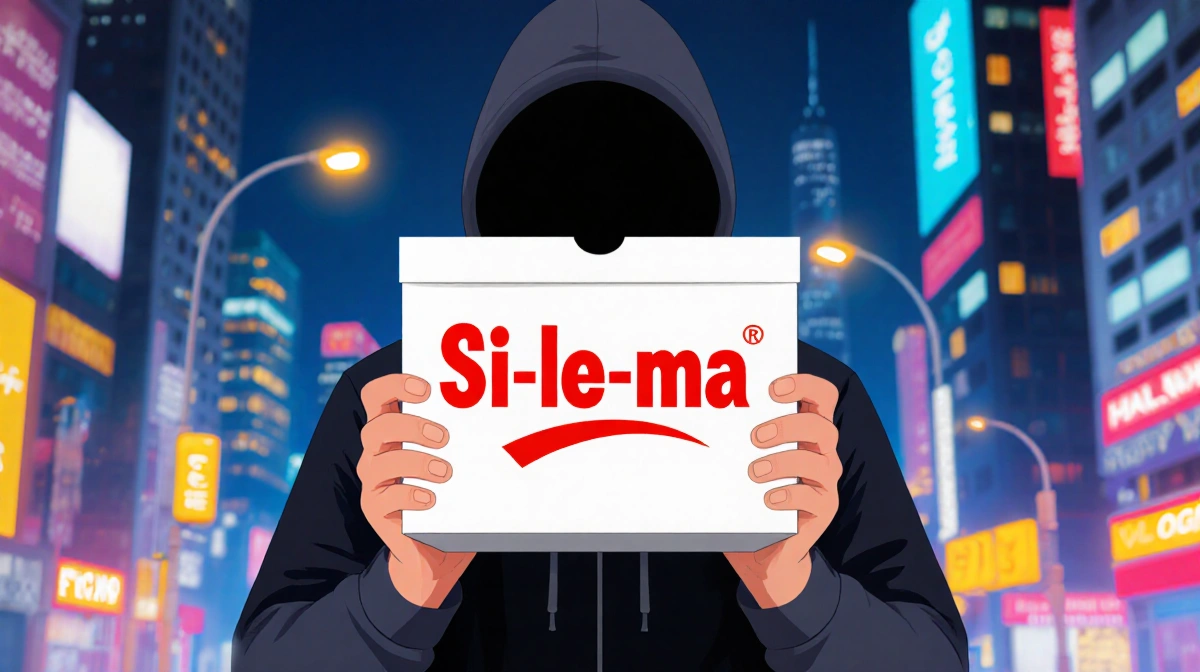
Chinese social media has exploded with commentary on the app’s blunt name and even bleaker purpose. Some posters joke that the title alone feels like a daily existential quiz, while others offer practical tweaks.
Requested upgrades posted online include:
- Switching from email alerts to SMS or messaging-app texts
- Allowing multiple emergency contacts
- Adding a simple “I’m OK” widget that skips the ghost button
The name itself is intentional wordplay. It riffs on the popular food-delivery slogan “Are You Hungry?”-pronounced E-le me in Mandarin-by swapping hunger for death. The developers’ Chinese title, Si-le-ma, mirrors the delivery catchphrase so closely that first-time listeners often do a double-take, the BBC noted.
That small team-three Gen Z programmers all born after 1995-never expected national attention. “We feel honored and deeply grateful to receive such widespread attention,” they told Global Times in a statement. They now plan updates that include messaging options and “more elderly-friendly features,” and they say a name change is under consideration.
While the phenomenon is most visible in China, the loneliness market is gaining dollars abroad. Demumu currently ranks sixth among paid iPhone apps in the United States, a placement partly powered by Chinese immigrants keeping ties to home-grown tech. Yet the broader demographic shift is global.
Fresh U.S. Census figures show that 27.6 percent of occupied American households consisted of just one person in 2020, a meteoric climb from only 7.7 percent in 1940. Similar surges appear across aging, urbanized economies, suggesting the customer base for solitary-safety tools is still expanding.
For now, the app’s core loop stays unchanged: tap the ghost, stay alive in the system, or trigger an email. In a nation racing toward 30 percent solo households, that morbidly simple promise is, for many, worth a little more than a dollar.