
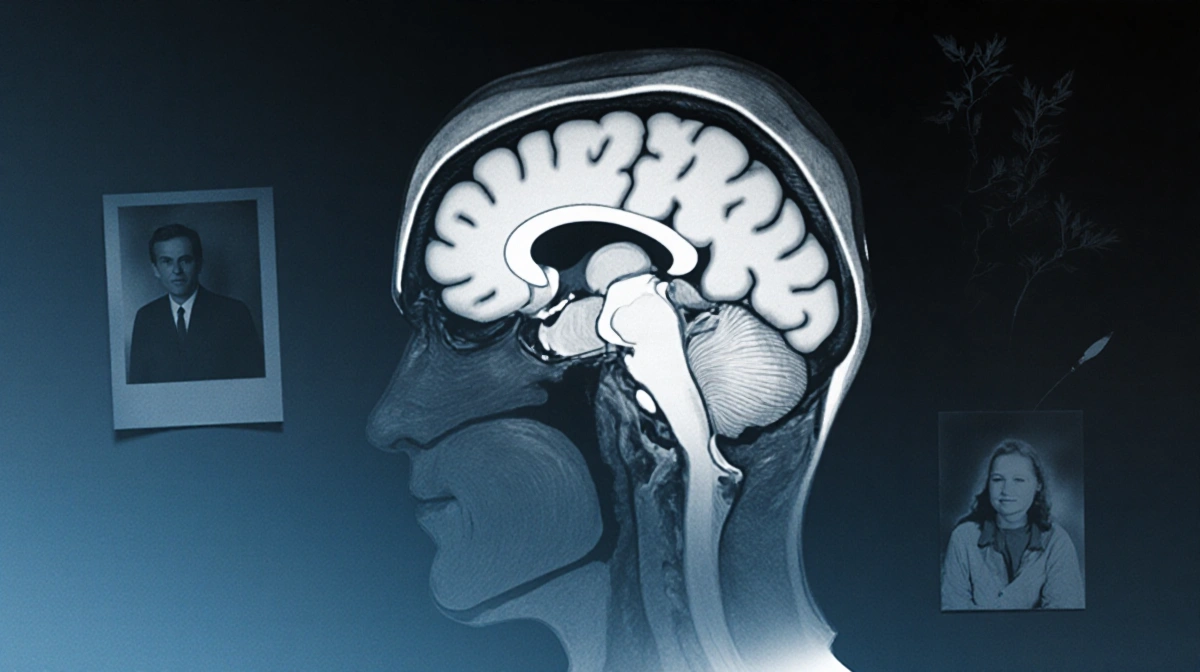

Andre Yarham, 24, died in December 2025 from one of the earliest documented cases of frontotemporal dementia (FTD) ever recorded. His family donated his brain to science, hoping the extreme rarity of his condition will unlock clues for future patients.
At a Glance
- 24-year-old dies from dementia normally seen in people over 45
- Brain resembled that of a 70-year-old at diagnosis in 2023
- Fewer than 25 cases worldwide of FTD in people 25 and under
- Why it matters: Family donated brain to Addenbrooke’s Hospital for research into genetic causes
Rapid Decline From First Symptom
Yarham’s mother, Samantha Fairbairn, told the BBC that memory lapses and odd behavior surfaced in late 2022. An MRI showed severe atrophy in his frontal and temporal lobes-regions tied to personality and language-matching brain changes typical of a 70-year-old.
Doctors confirmed early-onset FTD in November 2023. For nearly two years he stayed active and aware. By September 2025 he needed full-time care; within weeks he lost the ability to walk and, finally, to speak. He died on December 27.
Fairbairn described the disease as uniquely cruel: “People with cancer, they can have radiotherapy, they can have chemotherapy, and people go into remission and can lead a fruitful, memorable life. With dementia, there’s nothing.”
A Statistical Outlier
- FTD accounts for roughly 5% of all dementia cases
- Only 7.5% of UK dementia patients develop symptoms before 65
- Most early-onset FTD appears between 45 and 65 years
- Fewer than two dozen global cases have been reported in people 25 or younger
- The youngest confirmed FTD case was 14; Yarham appears to be England’s youngest
Genetic Clues Behind Ultra-Early Onset
Unlike common late-life dementia, early-onset FTD is frequently driven by inherited mutations. Yarham’s form was linked to a specific protein mutation, according to the BBC. Studying such aggressive, gene-driven cases can spotlight biological pathways that might also play subtler roles in typical late-onset dementia.
Donated Brain Offers Research Hope
Fairbairn authorized donation of her son’s brain to Addenbrooke’s Hospital. “If in the future that can help one family get a few more years with their loved ones then, that would be worth it,” she said.
The Global Dementia Surge
More than 55 million people worldwide live with dementia, including about 7 million in the United States. Projections indicate prevalence will more than double by 2050 as populations age.
Key Takeaways
- Andre Yarham’s death at 24 highlights that dementia can strike decades earlier than expected
- Extreme early-onset FTD is typically genetic, offering researchers a clear target for study
- His donated brain may accelerate discovery of biomarkers or therapies
- Rising global dementia numbers make every research donation critical

