
At a Glance
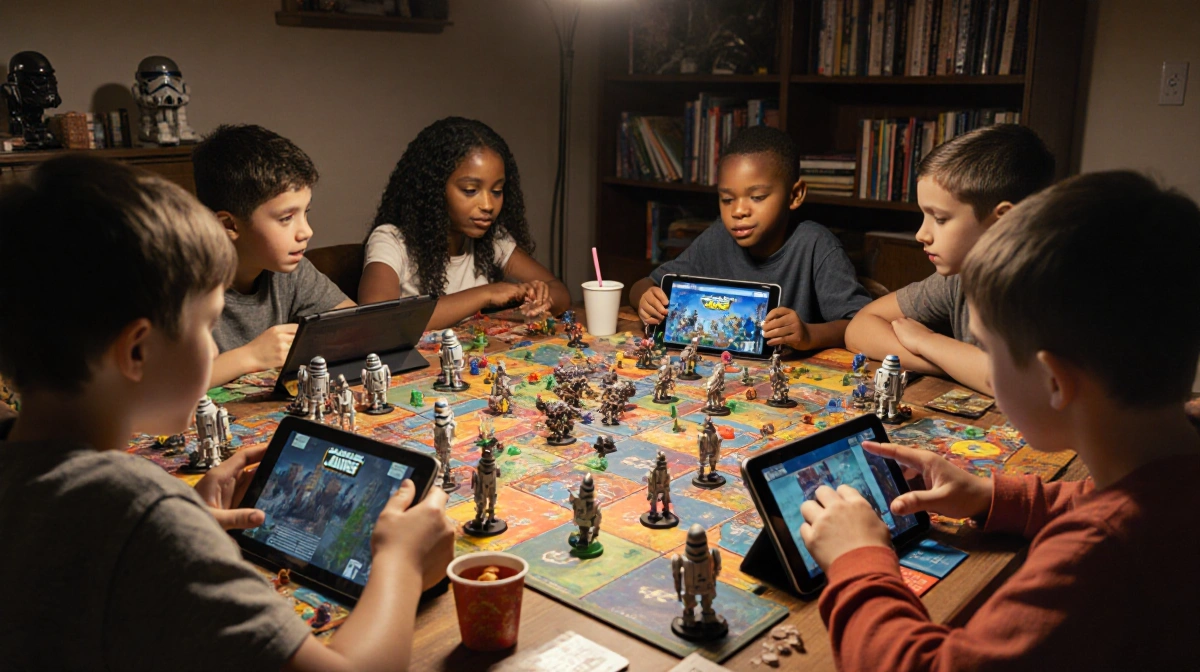
- Board is a large, screen-based gaming table that blends physical pieces with digital games
- Launch library of 11 titles skews young-most rated 6+-with mixed quality and depth
- Teens found the experience boring; younger kids (6-10) are the clear target audience
- Why it matters: At a high price point and with uncertain future content costs, families need to know who will actually play it
Board wants to merge the tactile joy of board games with the convenience of digital gaming. After two weeks of holiday testing, the hardware impresses, but the software struggles to keep older players engaged.
What You Get in the Box
Board arrives as a 22-pound slab of glass and aluminum. The 42-inch 4K touchscreen recognizes capacitive pieces-robots, spaceships, sushi ingredients, tiny Bloogs-each tagged so the table knows where and what they are. No subscription is required; you buy individual games and download them instantly. Physical component packs ship separately.
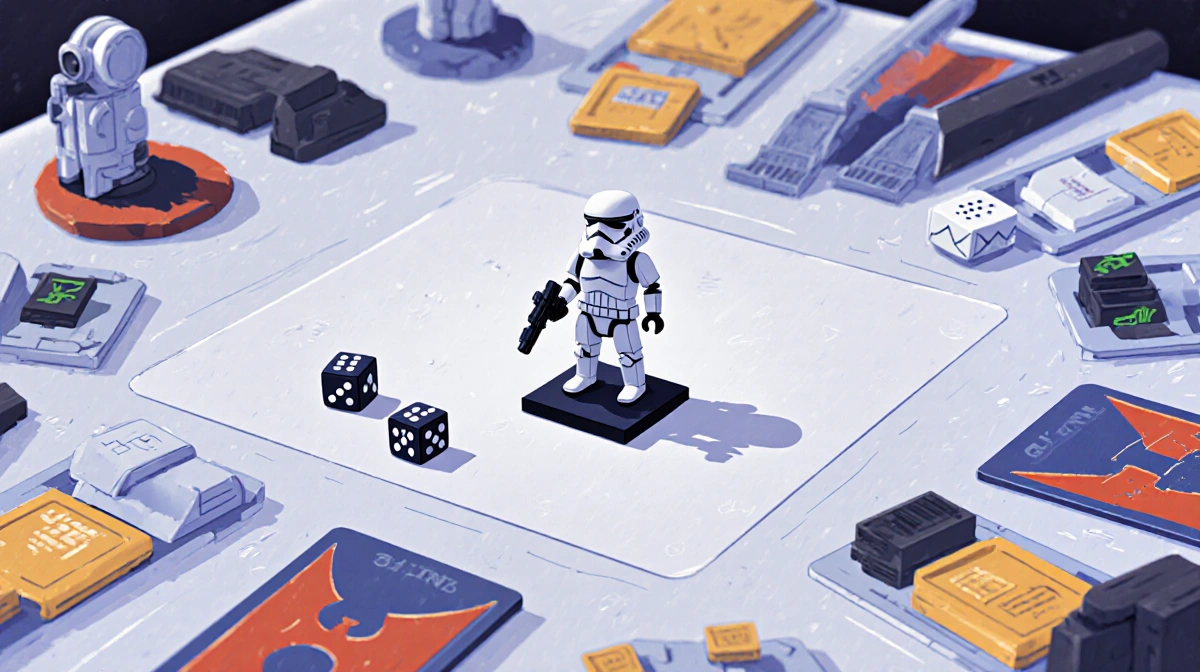
Launch Lineup: Clone Wars
Eleven titles are available today, with two more-Spycraft and Thrasos-still listed as “coming soon.”
Standouts include:
- Save the Bloogs – A Lemmings-style platformer where pieces become ladders, bridges, and cannons
- Strata – A competitive territory-builder inspired by Tetris and Chess for two to six players
- Omakase – A head-to-head sushi-bento battle that rewards quick spatial thinking
- Board Arcade – The only game that reuses the same pieces, adding physical knobs to play Snake and Asteroids
Younger testers gravitated toward the digital pet Mushka, while adults appreciated the strategic depth of Strata. None feel like must-own experiences; they play more like proof-of-concept demos.
Family Split: Little Kids vs. Teens
“I really like Board,” said the reviewer, but his 13- and 16-year-olds walked away unimpressed, calling the games “boring.” Across multiple family gatherings, only the youngest children (ages 6-10) asked for repeat sessions. The hardware lacks that compulsive, one-more-turn hook found in mainstream console or mobile hits.
Durability Doubts
Board’s glass surface has already picked up a faint scratch from a housecat that enjoys lounging on the table mid-game. While the unit survived holiday play, the reviewer questions how the screen will hold up when enthusiastic kids slam pieces or lean on the edges.
The Price of More Content
Although the company touts the absence of a subscription, pricing and timing for the next 10 announced titles remain undisclosed. Families must budget for:
- Individual game purchases (prices not listed)
- Shipping fees for any new physical components
- A storage solution-at 30 × 18 inches, Board does not fit on an average shelf
Key Takeaways
- Board’s tech is clever, but the launch software feels like a beta sampler
- Age ratings are accurate: anyone older than 10 may lose interest quickly
- Without transparent content road maps or pricing, the total cost of ownership is unknown
- Consider waiting to see what third-party studios produce before investing living-room space and hundreds of dollars in accessories