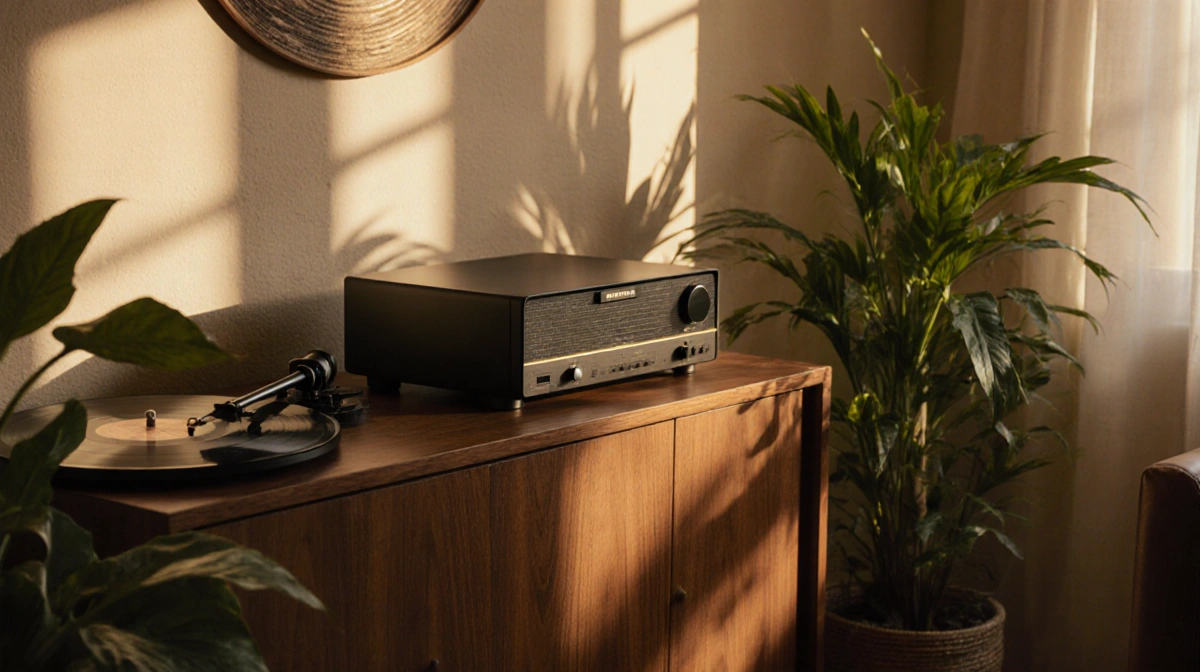

At a Glance
- Atonemo’s $99 Streamplayer adds Spotify and Qobuz to vintage hi-fi rigs
- Side-by-side test shows CD player delivers fuller bass and clearer layers
- Box includes only one 3.5 mm cable; RCA or SPDIF cables sold separately
- Why it matters: Convenience comes at a real sonic cost for picky ears
The Atonemo Streamplayer promises to drag legacy stereos into the streaming age, but a direct shoot-out reveals that convenience still carries an audio penalty.
Plug-and-Play Setup
Cameron R. Hayes connected the $99 puck to a 20-year-old Arcam amplifier driving Mordaunt Short floor-standers. The unit powered up instantly and the companion app located the hardware within seconds. A single 3.5 mm-to-3.5 mm cable is supplied, so an extra 3.5 mm-to-RCA adapter was pulled from a dusty drawer to complete the hook-up. Streams from both Qobuz and Spotify Lossless played without drop-outs, track skipping or pairing hiccups.
Sound-Quality Verdict
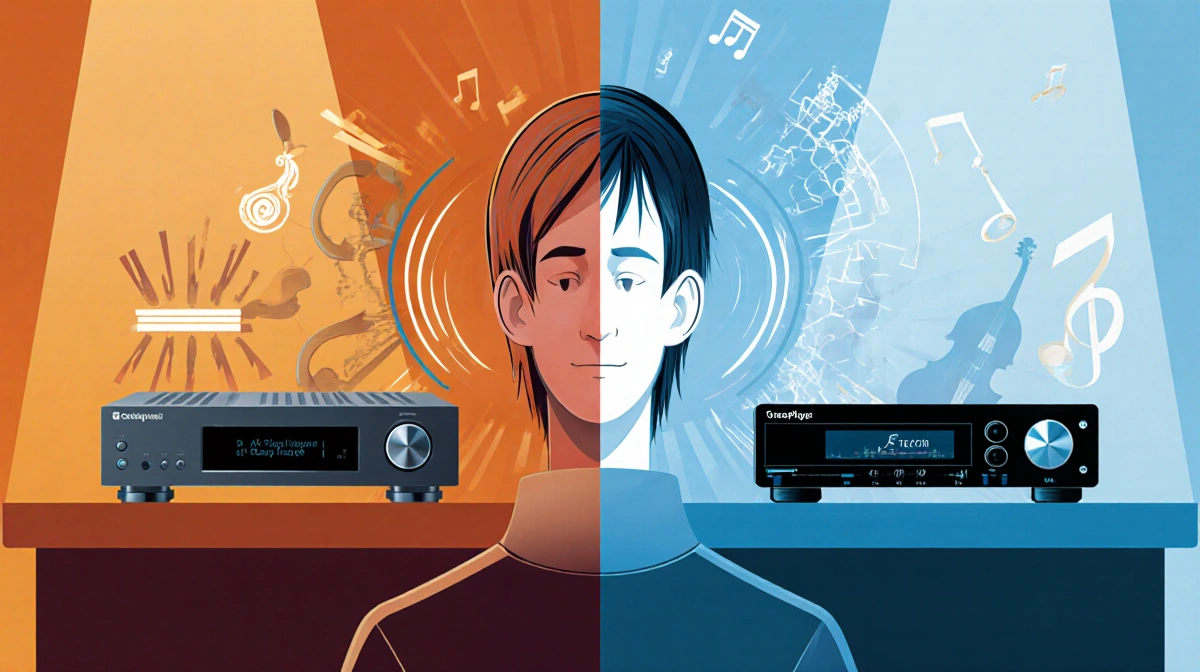
On first listen the convenience impresses. Voices stay intelligible and background hiss sits well below audible thresholds. A direct comparison using The Band’s Music from Big Pink tells a different story. The same passage fed through a mid-range Cambridge Audio CD player projects Rick Danko’s bass lines with greater weight, while instruments layer cleanly in three-dimensional space. Switching back to the Streamplayer, the low end contracts and the mix collapses toward the center. The gap is not subtle; it is obvious through the same amplifier and speakers.
Cable Conundrum
Atonemo markets the device as “compatible with all legacy speakers.” In practice:
- Passive bookshelf or floor-standing models require a separate amplifier
- Only a 3.5 mm stereo mini-jack ships in the box
- Owners must source 3.5 mm-to-RCA or SPDIF RCA-to-3.5 mm cables themselves
The company told News Of Fort Worth it debated bundling multiple leads but assumed most hi-fi enthusiasts already own them. Optional cables will be sold through the Atonemo site, yet leaving them out risks first-day frustration for newcomers who lack a well-stocked cable box.
Competitive Landscape
Several alternatives already crowd the entry-level streamer space:
| Model | Price | Key Features |
|---|---|---|
| WiiM Mini | $89 | AirPlay, Chromecast, Spotify Connect, integrated DAC |
| FiiO SR11 | $110 | Apple Music, Tidal, PCM 768 kHz/32-bit, DSD256 support |
| Bluesound Node nano | $379 | High-res multi-room platform, premium DAC |
Basic Bluetooth dongles also exist for listeners who care more about wireless freedom than fidelity.
What Atonemo Nails
Where the Streamplayer excels is simplicity. The app opens to a single screen listing available streaming services. There are no EQ tabs, no upsell banners and no sample-rate badges flashing audiophile jargon. Hit play on Spotify or Qobuz and audio emerges from the attached speakers within two seconds. For users who view music as background utility, the stripped-down approach removes every barrier between intention and playback.
Where It Falls Short
Audiophiles will lament the middling internal digital-to-analog converter. The unit accepts up to 48 kHz/16-bit streams, adequate for Spotify’s highest tier yet short of the 96 kHz/24-bit or higher files offered by Qobuz. The plastic chassis feels lightweight, and the status LED glows distractingly bright in a dim listening room. Firmware updates must be triggered manually through the app; there is no automatic overnight patch cycle.
Real-World Use Cases
- Bedroom system: Add wireless playback to a retired micro-system
- Garage workshop: Breathe life into an old cassette boombox with aux-in
- Vacation rental: Let guests stream without exposing Wi-Fi passwords to a smart speaker
- Secondary zone: Extend music to the kitchen without investing in a multi-room ecosystem
In each scenario the sonic compromise is acceptable because the alternative is no streaming at all.
Bottom Line
The Atonemo Streamplayer fulfills its core mission: it puts Spotify and Qobuz on virtually any speaker with a 3.5 mm input. The price is fair, the app is friction-free, and the hardware boots without drama. Still, listeners who cherish full-range dynamics and micro-detail will hear the shortfall the moment they A/B the stream against a humble CD spinner. Convenience wins, but analog warmth and heft stay on the side of the silver disc for now.