
At a Glance
- Laramie County commissioners unanimously approved plans for a 10-gigawatt data-center-and-power-plant complex south of Cheyenne.
- Crusoe’s Project Jade will start at 1.6 GW and scale to 10 GW, making it the largest single AI campus in the U.S.
- Neighbors fear aquifer drilling, turbine emissions, and wastewater ponds; developers tout closed-loop cooling and future carbon-capture ties.
- Why it matters: The decision fast-tracks construction this year and could reshape rural Wyoming’s economy, environment, and energy demand for decades.
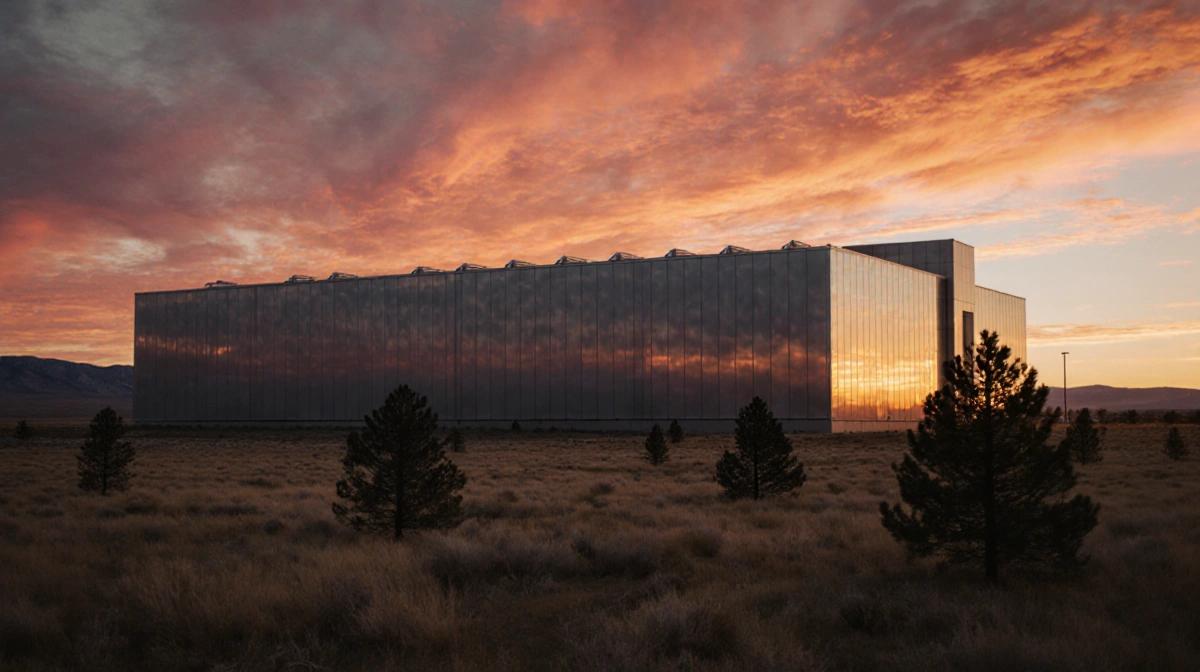
Laramie County, Wyoming, has bet big on data. On January 6, county commissioners voted unanimously to green-light two linked site plans: a 659-acre gas-fired power plant and an adjacent 600-acre data-center campus eight miles south of Cheyenne. Together, the projects promise jobs, tax revenue, and a power draw that could eventually rival a major city.
The Players and the Scale
Tallgrass Energy will build the BFC Power and Cheyenne Power Hub, while AI infrastructure firm Crusoe develops Project Jade. The partners, who announced the team-up in July, say the campus will open at 1.6 gigawatts and is engineered to hit 10 GW-enough to make it the largest single AI data-center complex in the country.
What Got Approved
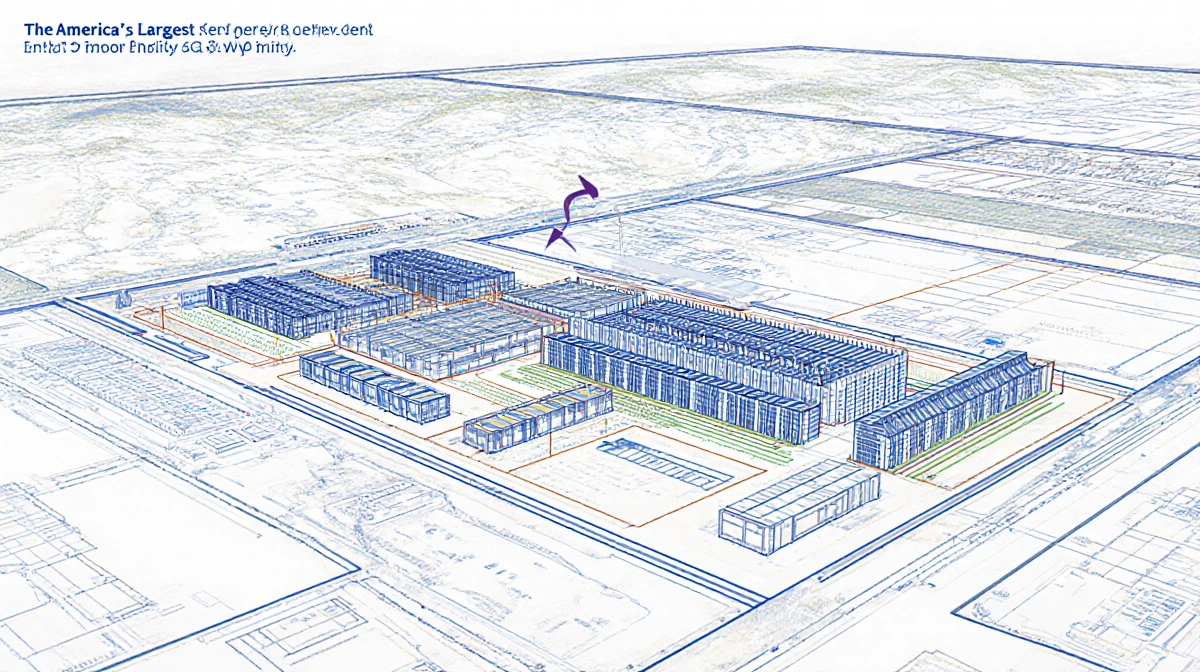
Site-plan documents obtained by Inside Climate News show:
| Project | Acreage | Main Components |
|---|---|---|
| Project Jade | 600 acres (243 ha) | Five data centers, two support buildings, infrastructure |
| BFC Power Hub | 659 acres (267 ha) | Two power-generation facilities plus support |
Construction is slated to start in the first quarter of 2025, with the first data-center building scheduled to go live by the end of 2027.
Local Pushback
The Hyndman Homesites Homeowners Association fired off a letter before the vote listing worries over:
- Deep-well drilling into the local aquifer
- Gas-turbine emissions
- Placement of wastewater ponds
- Broader environmental impacts
Their concerns align with academic studies showing smaller data centers already emit fine particulate matter, strain water supplies, and nudge regional electricity prices upward.
Developer Promises
Crusoe’s 2024 Impact Report says the firm will deploy closed-loop cooling systems that recycle treated water and fluids to curb demand on aquifers. Tallgrass notes its existing CO₂-sequestration hub next door could capture carbon from the gas turbines, and the companies say “future renewable energy developments in the region” may later supplement the site’s power mix.
Commissioners’ Calculus
County leadership brushed aside the qualms, concluding the economic upside-construction jobs, long-term tax receipts, and a potential high-tech halo-outweighs the environmental risks. The true trade-offs won’t surface until both facilities ramp up and begin pulling water, gas, and scrutiny at full 10-GW scale.