At a Glance
- The Proud Boys have stayed home as anti-ICE protests sweep the country
- Telegram channels show no calls to mobilize, only memes mocking the victim Renee Nicole Good
- Group leaders now offer personal security to right-wing influencers instead of street action
- Why it matters: Their sidelining shows how far-right street activism has been absorbed into government policy
The Proud Boys once thrived on confrontation-protesting Covid lockdowns, crashing school board meetings, squaring off against Black Lives Matter activists. During Donald Trump’s first term, the group was a visible street force. After January 6, key leaders went to prison and internal disputes fractured the organization. Trump’s return to the White House and his mass pardon of January 6 defendants raised expectations of a comeback. Instead, the administration’s hard-line immigration agenda and the militarization of ICE and Border Patrol have rendered the Proud Boys largely redundant.
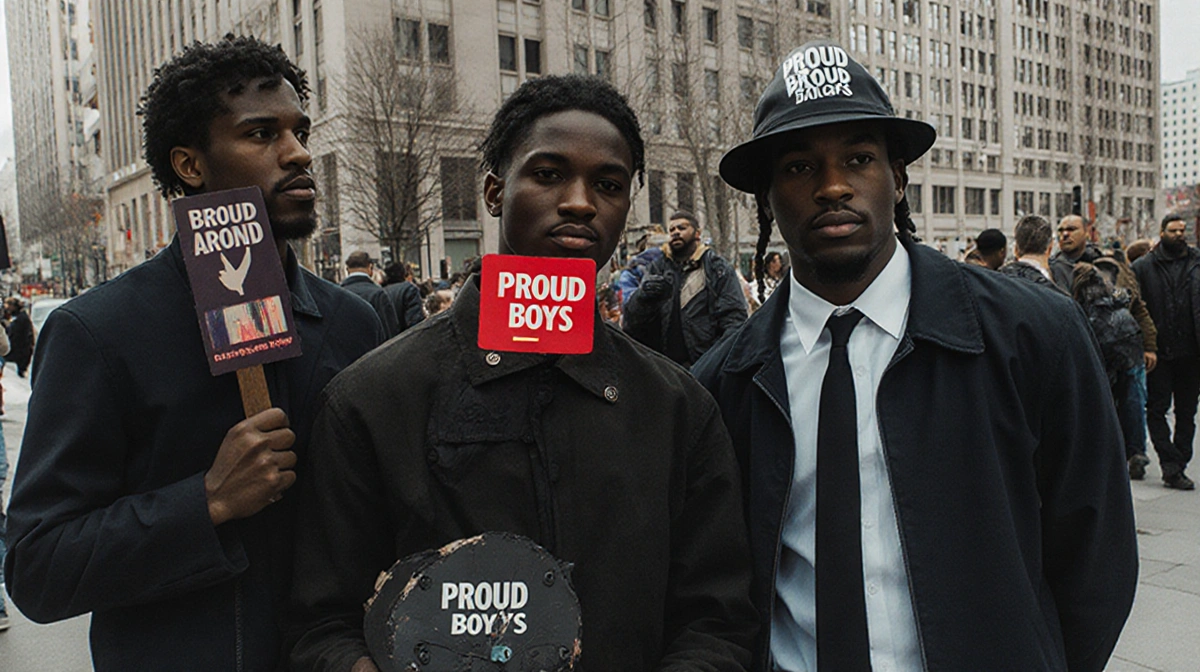
Over the past week, demonstrations erupted nationwide following the fatal shooting of Renee Nicole Good by a masked federal agent in Minneapolis. Rather than counter-protesting, Proud Boys have retreated to Telegram, posting incendiary memes and AI-generated images targeting Good and her wife.
A News Of Fort Worth review of hundreds of Proud Boy and allied far-right Telegram channels found zero public mobilization calls to defend ICE facilities. Members instead swapped deeply misogynistic and homophobic content, celebrating Good’s death and praising ICE tactics.
“They are very enthused about what’s happening, because for many of them, [ICE and the DHS are] following what their blueprint would have been anyway,” said Wendy Via, co-founder and president of the Global Project Against Hate and Extremism. “When you’ve got law enforcement that seems so willing to abuse their powers, why get in trouble?”
From Streets to Screens
Proud Boy channels have praised the Minneapolis shooting:
- “You’re an ICE agent in Minneapolis. Five and a half years after George Floyd, in the same city, you subdue a prisoner with your knee. Imagine being that based,” a Cape Fear Proud Boy posted.
- Members circulated AI-generated images mocking Good and her wife.
- Channel discussions celebrated federal agents’ aggressive posture toward protesters.
The absence of street-level response contrasts sharply with the group’s previous eagerness for physical confrontation. Caleb R. Anderson reported that instead of rallying members, leaders now focus on offering personal security to right-wing influencers.
Tarrio’s New Pitch
Former Proud Boys chairman Enrique Tarrio, convicted of seditious conspiracy for his role in January 6, claimed on X Monday that he reached out to influencers Nick Sortor and Cam Higby after they alleged being attacked while filming in Minneapolis.
“I reached out to both [Nick] and Cam with an offer for personal detail,” Tarrio wrote. “Waiting for a reply. We have a great solution for both of them.”
Tarrio continues to assert leadership of the Proud Boys despite his conviction, signaling a shift from mass mobilization toward boutique security services for online personalities.
Government Absorbs the Agenda
The sidelining of the Proud Boys illustrates how the Trump administration has institutionalized elements of the far-right street agenda:
- ICE and Border Patrol now deploy aggressive tactics previously associated with vigilante groups.
- Federal agents operate with broad public support from the administration, reducing the need for civilian auxiliaries.
- White nationalist rhetoric emanates from official channels rather than fringe clubs.
As law enforcement agencies implement hard-line immigration enforcement, the niche once filled by groups like the Proud Boys shrinks. Their retreat to Telegram memes and influencer bodyguard offers underscores how state power has absorbed their cause.
Key Takeaways
- Anti-ICE protests sparked by Good’s shooting have drawn no visible Proud Boy counter-action
- The group’s online chatter reveals satisfaction with federal crackdowns rather than desire to intervene
- Leadership now markets protective services to media figures instead of rallying street troops
- The shift shows how extreme policy adoption by government can neutralize grassroots extremist groups