
At a Glance
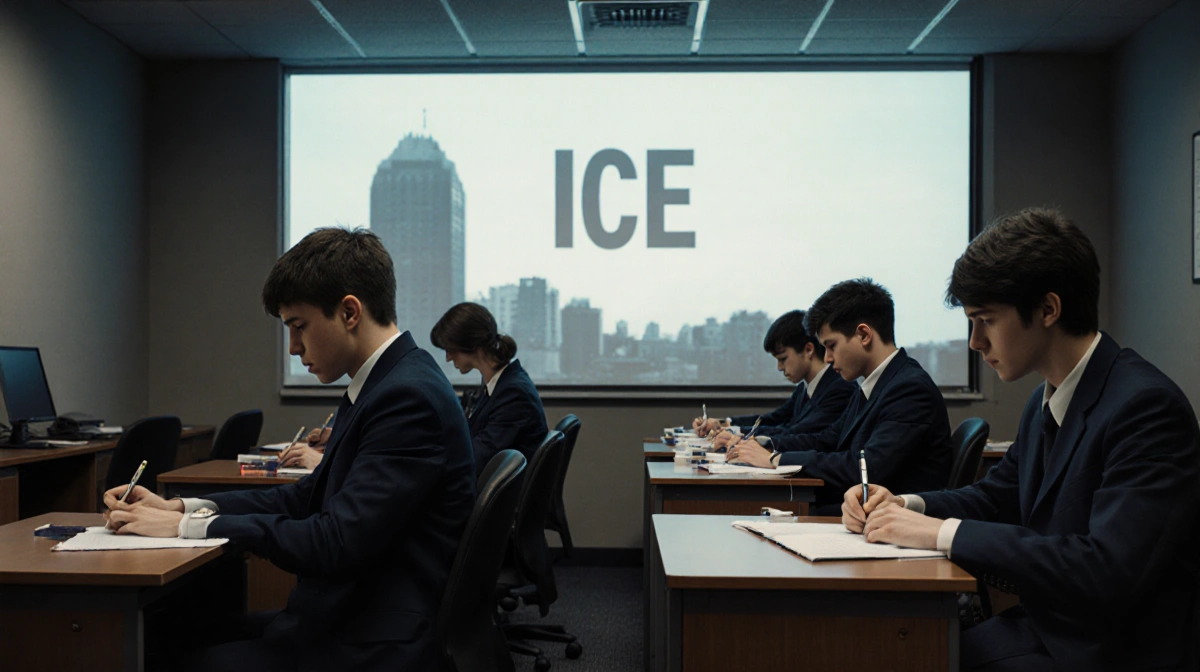
- An AI tool misread résumés and placed non-law-enforcement recruits into a 4-week online course instead of the required 8-week academy
- ICE must now pull officers back to Georgia for proper training after the mid-fall discovery
- The glitch struck as the agency raced to hire 10,000 new officers by the end of 2025
- Why it matters: improperly trained agents have already been deployed in cities like Minneapolis, where 2,400+ arrests have occurred since Nov. 29
An artificial-intelligence screening blunder at Immigration and Customs Enforcement misclassified hundreds of rookie officers, sending many into U.S. cities after only four weeks of online training instead of the full eight-week academy, according to two law-enforcement officials familiar with the error.
How the AI Mistake Unfolded
ICE’s hiring surge relied on an AI system to spot prior law-enforcement experience. The tool was supposed to funnel true officers into the “LEO program”-a condensed, four-week online track-while applicants without police or federal backgrounds would attend the full, in-person course at the Federal Law Enforcement Training Center (FLETC) in Georgia. That course covers immigration law, firearms handling, and physical-fitness tests.
The algorithm keyed on the single word “officer”. Résumés containing titles such as “compliance officer” or statements like “aspiring ICE officer” were tagged as experienced hires. The result: the majority of incoming recruits were labeled law-enforcement veterans even though many had never served on any local police or federal force.
> “They were using AI to scan résumés and found out a bunch of the people who were LEOs weren’t LEOs,” one official said.
Both officials, unauthorized to speak publicly, described the discovery in mid-fall-more than a month into the recruitment drive. ICE immediately switched to manual résumé reviews and began recalling misclassified officers to FLETC for the full curriculum.
Scope Still Unknown
The agency has not disclosed how many officers were incorrectly trained or how many may have already participated in arrests. Field offices provide supplemental instruction before new agents hit the street, and officials believe the misidentified recruits likely received that extra layer. Still, the core academy requirement was missed.
10,000-Officer Mandate
Congress allocated money under the One Big Beautiful Bill, allowing ICE to offer $50,000 signing bonuses as it pursued a 10,000-officer target by the end of 2025. On paper the goal was met, but because some recruits must now repeat training, the true number of deployable officers falls short.
Enforcement Under Scrutiny
The glitch surfaces as ICE intensifies operations nationwide. In Minneapolis alone:
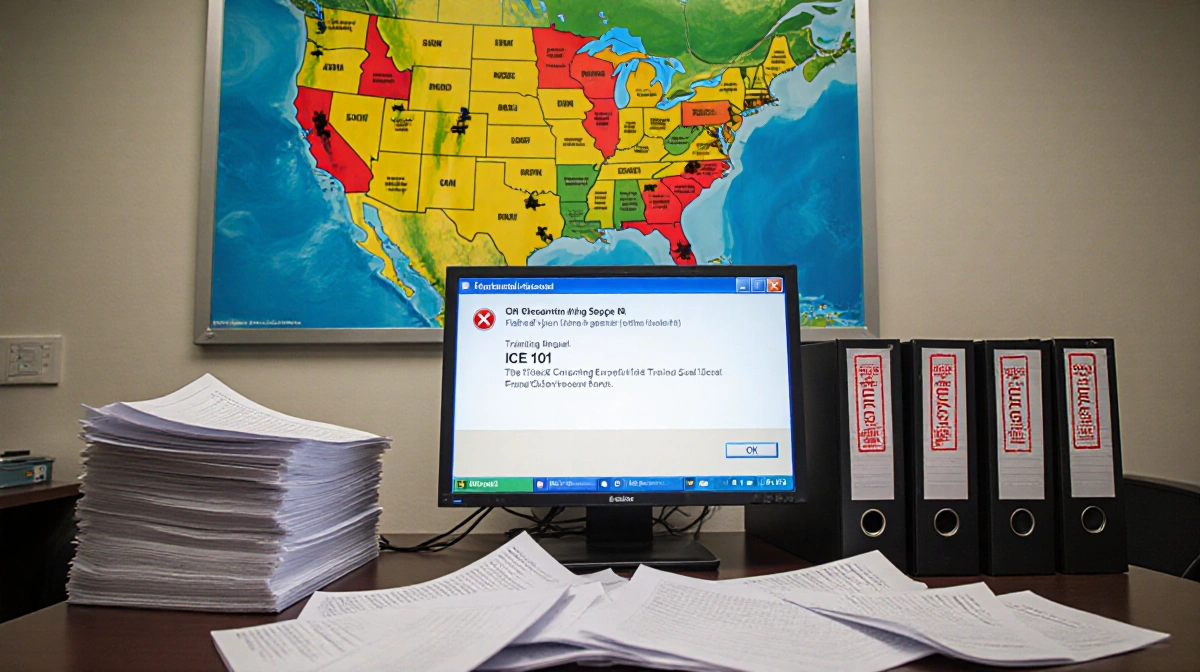
- 2,000+ ICE officers have been sent since late November
- 2,400+ people apprehended since Nov. 29, according to DHS spokesperson Tricia McLaughlin
- Minnesota has sued to remove DHS from the state
The scrutiny follows the fatal shooting of Renée Nicole Good by veteran ICE officer Jonathan Ross. Ross, with more than a decade on the force, would not have been affected by the AI screening because he was already a seasoned agent.
Key Takeaways
- ICE’s AI tool equated any résumé containing “officer” with actual law-enforcement experience
- New recruits lacking true police backgrounds entered the shorter online program and were deployed faster
- The agency is now manually reviewing files and retraining affected personnel at FLETC
- The push to boost deportation numbers has outpaced vetting; some recruits began training before background checks were finished, News Of Fort Worth previously reported