

At a Glance
- Biathlete Ukaleq Slettemark calls Trump’s Greenland takeover talk “terrifying”
- Greenlandic athletes may face competing under Danish flag if U.S. seizes territory
- Athlete compares potential U.S. action to Russia’s invasion of Ukraine
- Why it matters: The psychological impact on civilians and athletes as geopolitical tensions rise
Greenlandic biathlete Ukaleq Slettemark is experiencing unprecedented anxiety as she competes for Olympic qualification while facing threats of a U.S. takeover of her homeland. The 25-year-old athlete’s concerns reflect growing fears among Greenlanders about their future.
Athlete’s Emotional Struggle
Speaking from Ruhpolding, Germany, where she competes in the biathlon World Cup, Slettemark described the emotional toll of President Trump’s repeated statements about taking control of Greenland.
“It’s terrifying,” she told Megan L. Whitfield on Wednesday. “We are imagining the worst-case scenario and my aunt is having trouble sleeping at night. My mom, yesterday, she broke down at the stadium crying because she’s so afraid.”
The weight of these geopolitical tensions extends beyond her family to the broader Greenlandic community. Slettemark reports that people are considering leaving their homeland due to safety concerns.
“People are talking about maybe they have to leave Greenland because they feel it’s so unsafe,” she said. “So we are terrified and we are really angry because this is not how you talk to another country, this is not how you talk to your allies. And we feel so disrespected and very scared.”
Olympic Representation Complications
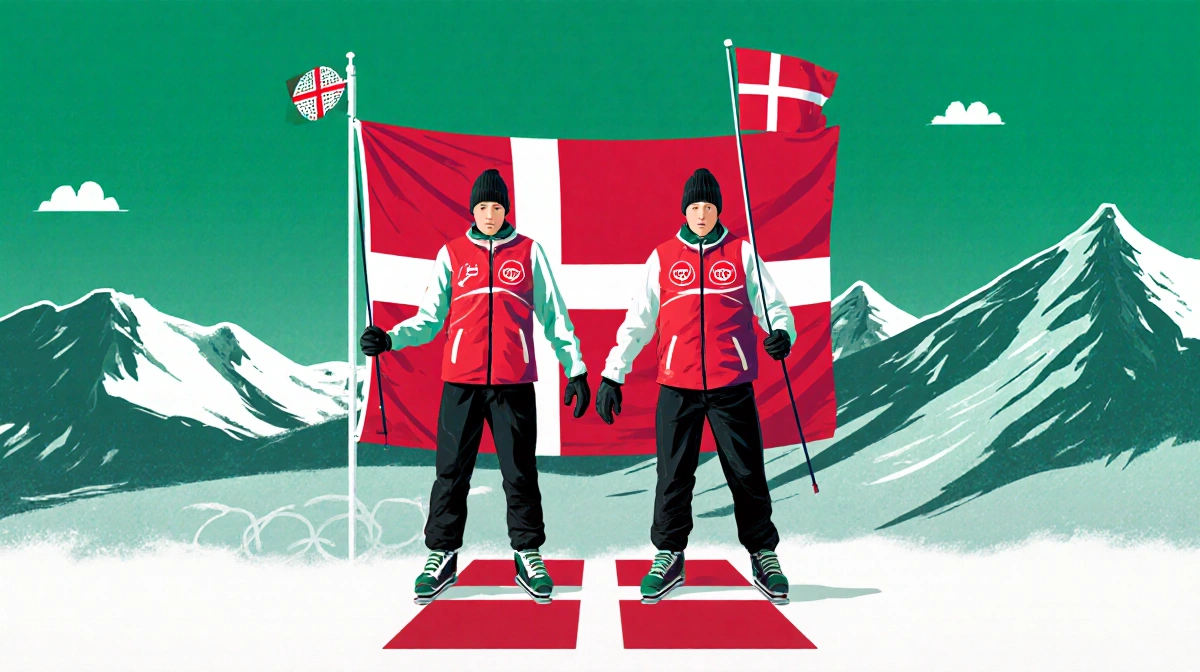
The Slettemark siblings currently compete for Greenland in the World Cup, but Olympic qualification presents unique challenges. If they qualify for the Milan Cortina Winter Olympics, they will represent Denmark rather than Greenland.
This arrangement exists because Greenland lacks sovereignty and its own national Olympic committee. The territory operates as a semiautonomous region under Danish control, despite being geographically separated from Denmark by thousands of miles.
Slettemark previously competed for Denmark in the 2022 Winter Olympics, establishing her international presence in the sport that combines cross-country skiing with rifle shooting.
Trump’s Latest Declaration
The timing of Trump’s statements has intensified the pressure on Greenlandic athletes. On Wednesday, the president reiterated his intention to acquire Greenland through social media, stating the U.S. “needs Greenland for the purpose of National Security.”
This declaration preceded a high-level diplomatic meeting between U.S. and Danish officials. Vice President JD Vance and Secretary of State Marco Rubio met with Danish Foreign Minister Lars Løkke Rasmussen and Greenlandic counterpart Vivian Motzfeldt to discuss the situation.
Greenland’s strategic importance has made it a focal point of U.S. interests, though the current approach has created significant anxiety among residents.
Athletic Dynasty Under Threat
Slettemark’s connection to biathlon runs deep through her family. Born in Nuuk, Greenland’s capital, she represents the second generation of Olympic-level competitors in her family.
Her father, Øystein Slettemark, competed in the 2010 Winter Olympics in biathlon, while her mother, Uiloq, founded the Greenland Biathlon Federation. This family legacy adds another layer of concern about preserving Greenlandic identity and sporting culture.
The athlete emphasizes that despite being a competitor rather than a politician, she cannot ignore the threats facing her homeland. The daily stress of training and competing while worrying about her country’s future presents unique challenges.
International Athletic Community Response
Within the biathlon circuit, Slettemark has found support from fellow competitors who check on her wellbeing. Despite the political tensions, she maintains positive relationships with American athletes.
“I’m very good friends with the U.S. athletes,” she said. “I think they’re all really nice people.”
The athlete has heard discussions about potential consequences for U.S. participation in international sports if they were to forcibly take over Greenland. Some within the athletic community have drawn parallels to Russia’s exclusion from the Olympics following their 2022 invasion of Ukraine.
“I’ve definitely thought so myself, but we’re not at that stage right now, because nothing has happened yet,” Slettemark said. “But if it were to happen, then I would also agree that that would be the right way to do it.”
Call for American Action
Slettemark has expressed hope that American citizens will take action to prevent the Greenland takeover. She draws direct comparisons between the potential U.S. action and Russian aggression in Ukraine.
“I hope Americans will pressure Congress to put a stop to the Greenland takeover plan,” she said, explicitly linking it to Russian President Vladimir Putin’s actions in Ukraine.
The athlete’s plea reflects a broader concern among Greenlanders about maintaining their autonomy and cultural identity in the face of external pressure from a powerful ally.
Impact on Competition Preparation
The ongoing uncertainty has affected Slettemark’s ability to focus on her athletic preparation. The psychological burden of worrying about her homeland while competing at the highest level creates an unprecedented challenge for the athlete.
As she and her brother Sondre continue competing in the World Cup, the shadow of geopolitical tensions follows them to every competition venue. The next week will be crucial as they await Olympic qualification news while their homeland faces an uncertain future.
The situation highlights how international politics can directly impact individual athletes, particularly those from smaller territories caught between global powers. For Slettemark, the dream of Olympic competition has become intertwined with fears for her country’s sovereignty.