At a Glance
- The Substance Abuse and Mental Health Services Administration canceled $2 billion in grants on Tuesday night
- About 2,000 grants were terminated, affecting opioid treatment, peer support, and trauma care
- Providers immediately began layoffs and service cuts
- Why it matters: Thousands of vulnerable Americans could lose access to lifesaving mental-health and addiction services
The Trump administration has eliminated nearly $2 billion in federal grants that fund addiction treatment, peer support, and mental-health programs nationwide, prompting providers to lay off staff and cancel services within hours of the announcement.
Grants Terminated Overnight
SAMHSA, a division of the Department of Health and Human Services, emailed recipients Tuesday evening to say their awards were ended effective immediately. The letters, signed by Principal Deputy Assistant Secretary Christopher Carroll, cited a regulation allowing termination of any award that “no longer effectuates the program goals or agency priorities.”
Recipients told Caleb R. Anderson they received no further explanation. The cuts affect roughly one-quarter of SAMHSA’s total budget and target discretionary grants supporting:
- Direct mental-health clinics
- Opioid treatment programs
- Drug-prevention resources
- Peer-support networks
- Services for people experiencing homelessness
An administration official with knowledge of the decision said the agency canceled about 2,000 grants totaling $2 billion. The official was not authorized to speak publicly.
Providers Scramble to Stay Open
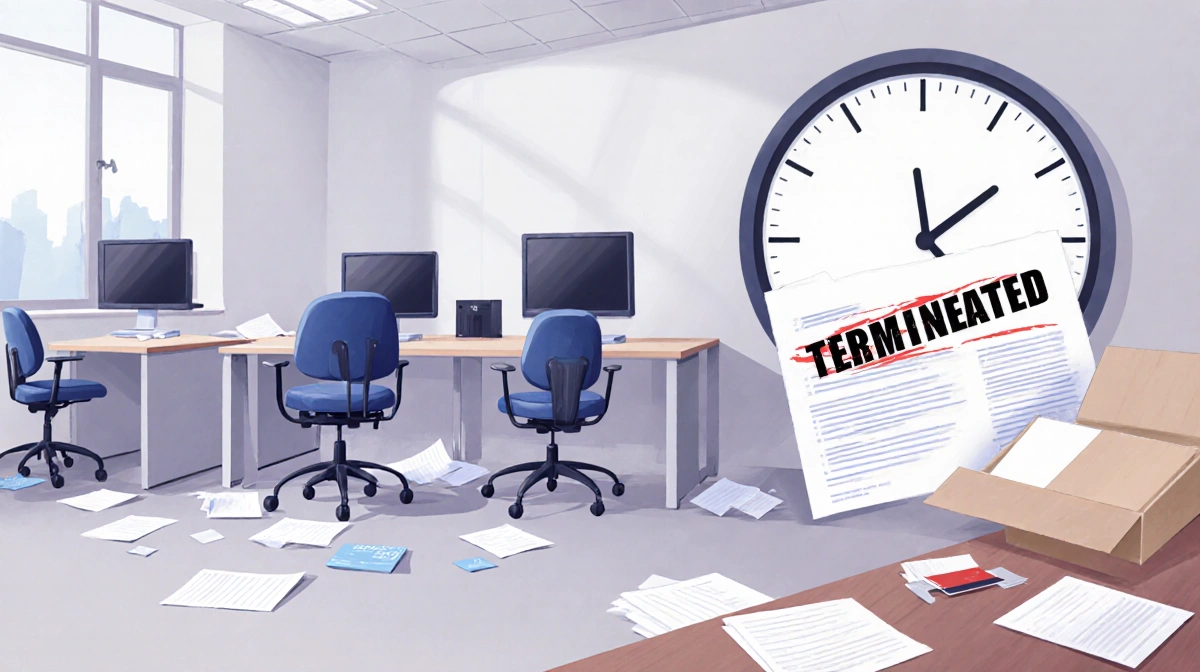
Organizations learned of the terminations when staff arrived for work on Wednesday. Within hours, many began cutting staff and canceling trainings.
The PACT Coalition in Las Vegas lost three grants worth $560,000. CEO Jamie Ross said the coalition’s work aligns with SAMHSA’s stated goals. “The goal of our grants is entirely in line with the priorities listed in that letter,” Ross said.
In Boston, the Baker Center for Children and Families lost two federal grants totaling $1 million, including one from the 20-year-old National Child Traumatic Stress Initiative. President and CEO Robert Franks said the center must now lay off staff and may not be able to continue care for 600 families. He called the programs “our most effective tool in addressing the issues that they identify as being critical to them.”
Peer Programs Lose Funding
The McShin Foundation in Richmond, Virginia, saw its $1.4 million peer-support grant terminated. CEO Honesty Liller, who credits the foundation with saving her life 18 years ago when she was addicted to heroin, has already laid off five staff members. The cuts will reduce the number of peers who visit local jails to help incarcerated people in recovery.
“They need hope dealers like us, they need people that have lived experience in recovery and they need this funding,” Liller said. “I’ve just never felt so gut punched.”
What Was Spared
The National Association of County Behavioral Health and Developmental Disability Directors told members it believes certain block grants, 988 suicide and crisis lifeline funding, and Certified Community Behavioral Health Clinics were not affected.
Agency Silence
HHS did not respond to questions about the cancellations, which were first reported by NPR. Two SAMHSA staff members, unauthorized to speak to media, said employees received no advance notice.
Life-or-Death Stakes
Dr. Yngvild Olsen, former director of SAMHSA’s Center for Substance Abuse Treatment and current national adviser at Manatt Health, warned the cuts will be lethal. “Without that funding, people are going to lose access to lifesaving services,” Olsen said. “Providers are going to really need to look at potentially laying off staff and not being able to continue.”
Key Takeaways
- $2 billion in SAMHSA grants disappeared overnight
- About 2,000 mental-health and addiction programs affected
- Providers already cutting staff and services
- Block grants, 988 lifeline, and some clinics reportedly spared
- HHS has offered no public explanation