
At a Glance
- Four astronauts left the International Space Station five weeks early after a crew member suffered an in-flight medical issue
- The emergency departure marks the first time in 25 years a mission was shortened for health reasons
- The Crew-11 team will splash down off California at 3:41 a.m. ET Thursday
- Why it matters: The shortened mission leaves NASA with only one U.S. astronaut aboard the station for weeks, delaying planned science operations
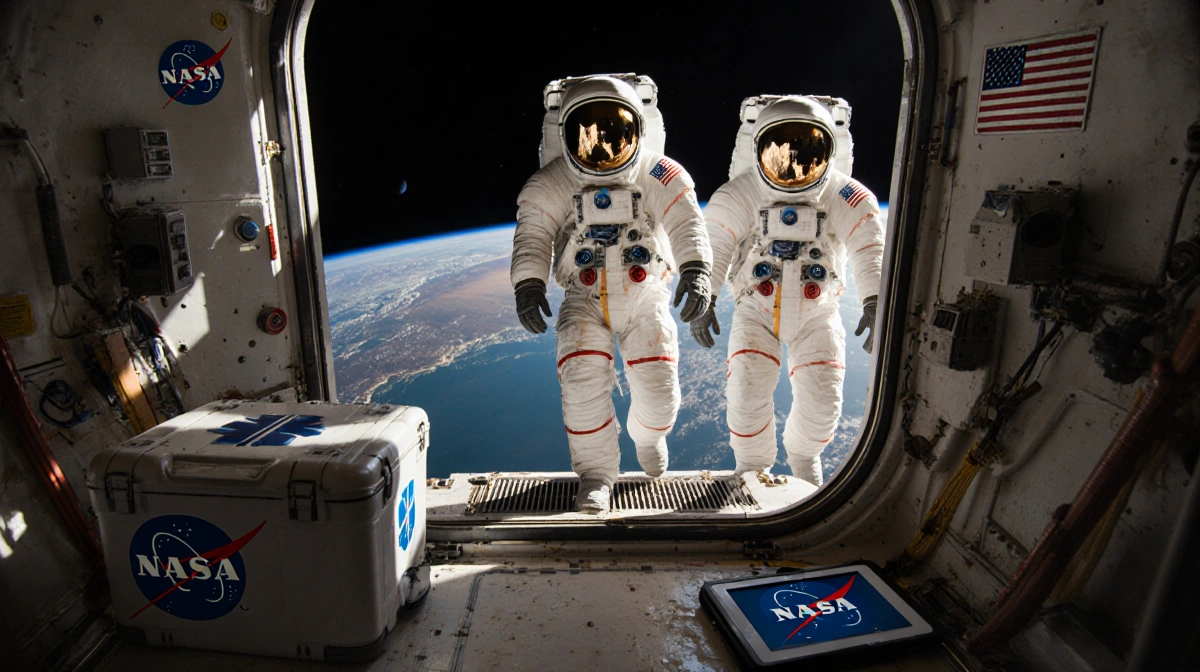
A SpaceX Dragon capsule carrying four astronauts undocked from the International Space Station Wednesday evening, beginning an unexpected early return to Earth prompted by a medical emergency that has never before forced a crew to cut short their mission.
The departure of NASA astronauts Zena Cardman and Mike Fincke, Japanese astronaut Kimiya Yui and Russian cosmonaut Oleg Platonov-collectively known as Crew-11-comes roughly five weeks ahead of schedule. Their capsule, named Endeavour, separated from the orbiting laboratory at 5:20 p.m. ET and is scheduled to conclude a nearly 11-hour journey with a Pacific Ocean splashdown at approximately 3:41 a.m. ET Thursday.
SpaceX flight controllers radioed the departing crew: “Endeavour Crew, enjoy the ride home.”
NASA has not disclosed which astronaut experienced the medical incident or the nature of the condition, citing medical privacy rules. Agency officials emphasized the situation is stable and the evacuation is precautionary rather than an emergency.
The 25-year history of space-station operations has seen crews evacuated because of spacecraft malfunctions or severe weather, but never because of a health issue that arose in orbit.
“First and foremost, we are all OK,” Fincke wrote on LinkedIn over the weekend. “Everyone on board is stable, safe, and well cared for. This was a deliberate decision to allow the right medical evaluations to happen on the ground, where the full range of diagnostic capability exists. It’s the right call, even if it’s a bit bittersweet.”
Mission Timeline Collapse
Crew-11 arrived at the station in August with plans to remain until late February. Last week NASA canceled a planned spacewalk by Cardman and Fincke after revealing that one of their colleagues had experienced an unspecified medical incident. Days later the agency announced the entire crew would return early.
NASA Administrator Jared Isaacman said he made the decision after consulting the agency’s chief health and medical officer, Dr. JD Polk, and other senior leaders.
“After discussions … I’ve come to the decision that it’s in the best interest of our astronauts to return Crew-11 ahead of their planned departure,” Isaacman said Thursday.
The astronauts’ homecoming will unfold in a choreographed sequence:
- A deorbit burn slows the Dragon capsule
- The spacecraft re-enters Earth’s atmosphere
- Parachutes deploy for a gentle ocean landing off the California coast
One Astronaut Left on U.S. Side
With Crew-11’s premature exit, NASA flight engineer Chris Williams will temporarily be the only U.S. astronaut aboard the station. Two Russian cosmonauts will also remain, but American science experiments and operations will rely on Williams alone until the next crew arrives.
The agency is examining options to accelerate Crew-12, currently targeted to launch no earlier than February 15. If that date holds, Williams will handle solo U.S. duties for several weeks.
Before departing, Fincke formally handed command of the station to cosmonaut Sergey Kud-Sverchkov during a Monday ceremony.
“Sergey, it’s an honor and a pleasure to be a commander, and I cannot imagine being happier than to hand over command to you,” Fincke said.
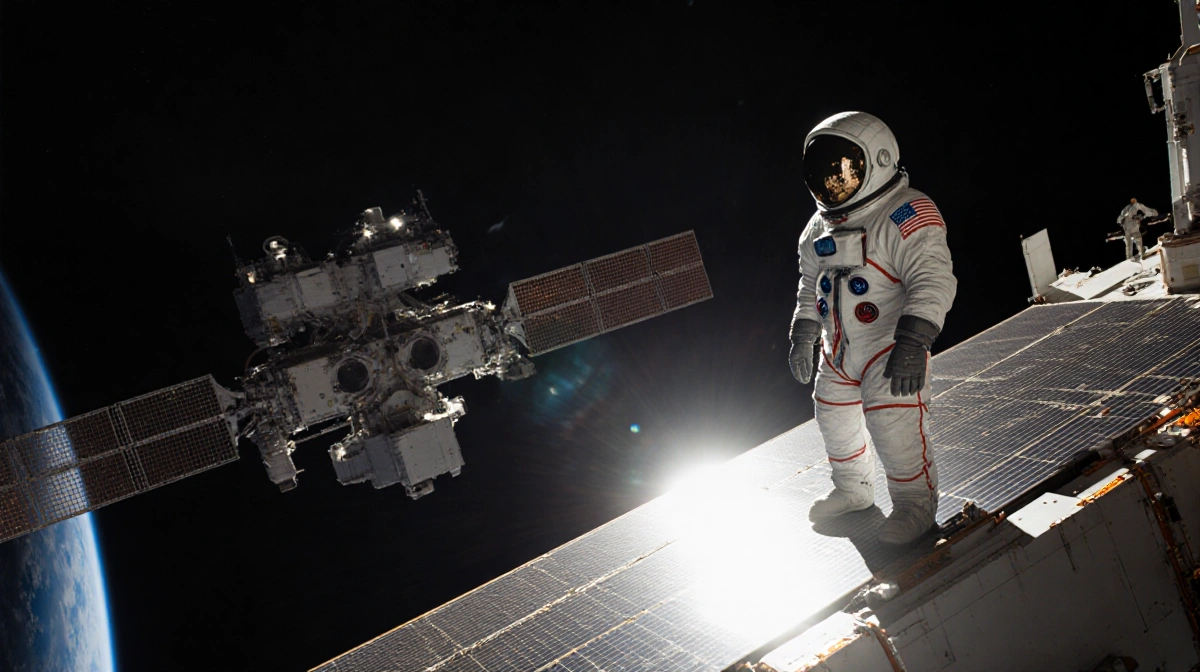
Reflecting on the shortened mission, he called the circumstances “interesting times” but praised the international cooperation that defines life aboard the station.
“We’re from all over the planet, and we’re working together,” Fincke said. “It’s a great symbol of what human beings can do.”
Key Takeaways
- Historic first: A health issue has never before forced an ISS crew to leave early
- Operational impact: Only one NASA astronaut will oversee U.S. research until the next crew launches
- Next steps: Agency leaders are weighing whether to speed up the Crew-12 flight set for mid-February